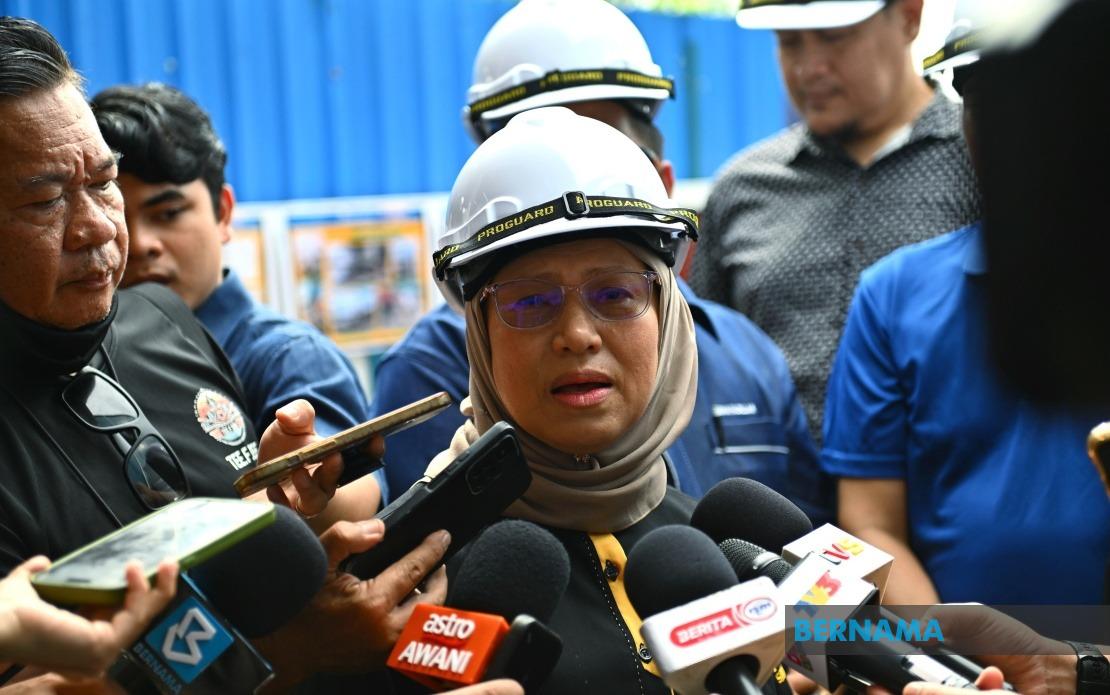
The Social Welfare Department has moved decisively to protect children by ordering a Langkawi kindergarten to suspend its operations immediately, pending the completion of a police investigation into serious allegations of child neglect and mistreatment. The directive, announced in Kuching on July 18, reflects growing national concern about safeguarding standards in early childhood facilities across Malaysia, particularly as parents increasingly rely on commercial kindergartens whilst both parents work.
Women, Family and Community Development Minister Datuk Seri Nancy Shukri explained the department's dual responsibility in the matter. Although the Education Ministry holds primary regulatory authority over kindergartens, the Social Welfare Department maintains its watchdog role in all child protection cases, making collaboration with law enforcement essential to ensure comprehensive scrutiny. This jurisdictional clarity demonstrates how Malaysia's child protection framework operates across multiple government entities, each bringing distinct expertise to investigations involving minors.
The gravity of the allegations has triggered formal investigation under Section 31(1) of the Child Act 2001, which covers offences relating to child cruelty and neglect. Langkawi district police chief ACP Khairul Azhar Nuruddin disclosed that the investigation was initiated after a former kindergarten teacher filed a report documenting troubling conditions at the facility. The complainant alleged that children were confined to toilets, forced to sleep directly on floors without bedding, and subjected to other forms of inappropriate handling that raised serious questions about basic care standards.
Police are pursuing a methodical investigative approach to establish whether these allegations have factual foundation. Investigators are examining CCTV footage from the kindergarten premises and gathering witness testimony from former staff and possibly parents whose children attended the facility. This evidence collection phase is critical, as video recordings and corroborating statements from multiple sources can either substantiate the former teacher's claims or reveal a different narrative about daily operations at the kindergarten.
Minister Nancy Shukri stressed that the kindergarten operator had already received formal warnings regarding the care, safety, and welfare standards expected under Malaysian regulations. The operator was reminded of mandatory compliance with established protocols, signalling that the department had prior concerns or irregularities before this investigation commenced. Her statement that appropriate legal action would follow if violations were confirmed suggests that criminal or regulatory penalties remain possible outcomes depending on investigation findings.
The decision to suspend operations represents a precautionary measure prioritising child safety over business continuity. Parents have been advised to follow police instructions carefully, effectively redirecting their children to alternative kindergartens while the investigation unfolds. This closure could affect dozens of families in Langkawi seeking childcare, highlighting the disruption that accountability mechanisms can impose on family routines when institutional failures emerge.
For Malaysia's early childhood education sector, this case carries broader implications. Kindergartens remain largely private commercial enterprises with varying regulatory oversight and enforcement. While the Education Ministry establishes standards, compliance verification mechanisms may be inconsistent across different districts and states. The Langkawi incident underscores potential gaps between regulatory requirements on paper and actual implementation on the ground, raising questions about how often inspectors visit facilities and whether surprise audits are standard practice.
The involvement of a whistleblowing former employee highlights the critical role of staff integrity in protecting children. Teachers and caregivers witness daily interactions and conditions that parents cannot observe directly, making them essential early warning systems. However, creating environments where staff feel safe reporting concerns without risking employment represents an ongoing challenge in Malaysia's service sectors, where power imbalances between employers and workers can discourage disclosure of problems.
Parents selecting kindergartens typically rely on reputation, convenience, and cost rather than rigorous verification of regulatory compliance or safety certifications. The Langkawi case serves as a sobering reminder that established businesses with apparent legitimacy can hide troubling practices. Malaysian parents increasingly deserve clearer access to inspection reports, staff qualification records, and incident histories for educational facilities entrusted with their young children's daily care and development.
Minister Nancy Shukri's announcement was delivered alongside an update on the Pending Jetty upgrading project, a RM600,000 infrastructure initiative nearing completion by August 24. Though apparently unrelated to the kindergarten matter, the minister's dual role exemplifies how child welfare concerns compete with routine governmental functions across multiple portfolios. The jetty project, connecting Pending area with Kampung Muhibbah Seberang in her Santubong parliamentary constituency, demonstrates the breadth of ministerial responsibilities extending from local infrastructure to national child protection policy.
As the investigation progresses, the outcomes will likely influence how Malaysia approaches oversight of private kindergartens nationally. Whether the investigation confirms the allegations or reveals misunderstandings, the episode has already amplified awareness among parents about the importance of visiting facilities unannounced, requesting staff references, and maintaining open communication with their children about daily experiences. The temporary closure, while disruptive, serves a vital accountability function within Malaysia's framework for ensuring that vulnerable young children receive treatment meeting the basic standards of dignity and care that their parents rightfully expect.

