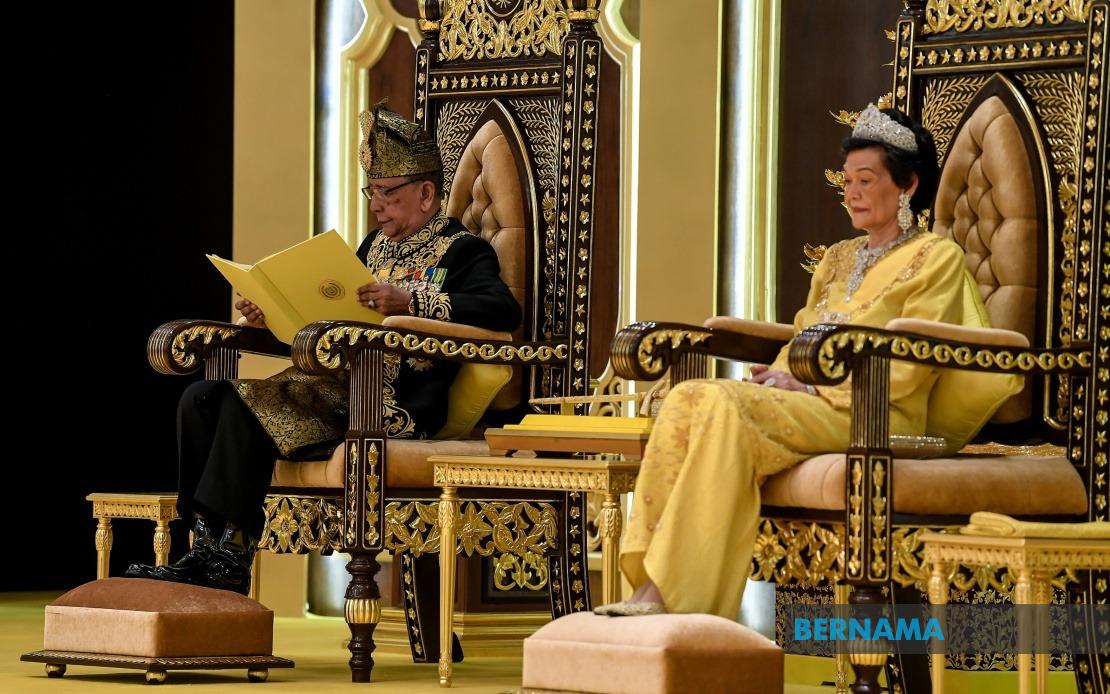
The Sultan of Kedah has issued a forthright call for Langkawi Island to chart its own developmental course, cautioning against attempts to replicate the tourist blueprints of regional rivals. Speaking at his 84th birthday investiture ceremony in Alor Setar, Al Aminul Karim Sultan Sallehuddin Sultan Badlishah emphasised that the island's prosperity must emerge from cultivating its distinctive strengths rather than pursuing a carbon-copy strategy modelled on destinations such as Phuket in Thailand or Bali in Indonesia.
The Sultan's remarks reflect a recognition that Langkawi occupies a unique position within Malaysia's tourism ecosystem. As a strategic economic asset for both Kedah state and the nation, the island generates substantial revenue and employment while serving as a flagship international destination. Yet his comments suggest concern that development pressures—particularly investor appetite for standardised resort models and mass-market attractions—could erode what truly differentiates Langkawi in an increasingly competitive regional marketplace.
Central to the Sultan's vision is the preservation and sustainable development of Langkawi's natural heritage and cultural authenticity. He underscored that these intrinsic advantages represent the island's genuine competitive edge, implying that formulaic resort development and urban sprawl characteristic of overdeveloped Asian tourism hubs would ultimately undermine rather than strengthen economic prospects. For Malaysian policymakers and investors, this statement carries weight: it articulates a philosophical alternative to the boom-and-bust cycles observed in destinations that prioritised rapid expansion over stewardship of environmental and cultural assets.
The Sultan made clear his intention to safeguard Langkawi's reputation from damage that could arise through exploitation or irresponsible actions by parties operating with narrow commercial interests. This protective stance suggests heightened scrutiny of major development proposals and stakeholder conduct. Given Malaysia's experience with tourism destinations encountering environmental degradation, community friction, or reputational crises, the Sultan's firmness on governance and accountability implies that future projects may face tighter royal oversight and conditional approval.
Simultaneously, the Sultan raised alarm regarding protracted delays affecting critical infrastructure initiatives, particularly the Sungai Kedah and Anak Bukit flood mitigation programme. This project has languished incomplete despite its strategic importance, leaving residents in vulnerable areas exposed to recurrent inundation and associated hardship. The juxtaposition of his remarks is instructive: while emphasising Langkawi's tourism potential, he simultaneously flagged that foundational infrastructure serving local populations remains inadequately resourced or prioritised.
The gap between ambitious tourism development and essential public services addresses a perennial Malaysian governance challenge. Rural and semi-rural communities often experience investment imbalances, where glamorous tourist infrastructure receives funding and attention while basic flood protection, roads, and utilities deteriorate. By publicly highlighting the flood mitigation delays during his birthday ceremony—an event attended by senior state dignitaries including the Sultanah of Kedah and senior members of the royal household—the Sultan amplified pressure on relevant authorities to accelerate completion.
This infrastructure concern extends beyond Kedah's borders. Throughout Southeast Asia, tourism-dependent regions struggle to balance visitor amenities with resident welfare. Thailand's Phuket and Bali have both faced criticism for inadequate investment in local infrastructure despite generating substantial tourism revenue. By drawing implicit contrast with these models while simultaneously demanding better outcomes for Kedah residents, the Sultan positioned the state as committed to inclusive development where tourism prosperity translates into tangible improvements for local communities.
The timing of these remarks carries significance. Malaysia continues positioning itself as a regional tourism powerhouse, competing vigorously against Thailand, Indonesia, and Vietnam for international visitor spending. Langkawi remains a cornerstone asset in this strategy, yet the island faces evolving challenges from climate impacts, changing traveller preferences, and shifting competitive dynamics. The Sultan's insistence on distinctive positioning rather than imitation suggests strategic thinking aligned with global tourism trends favouring authentic experiences and cultural immersion over standardised resort environments.
For Malaysian investors and hoteliers, the Sultan's words signal that future Langkawi development will be evaluated against criteria encompassing identity preservation, environmental sustainability, and community benefit—not merely profit maximisation. This creates both opportunity and constraint: ventures aligned with these principles may encounter smoother approval processes and positive royal backing, while those perceived as extractive or reputation-damaging will face resistance from the highest levels of state governance.
The Sultan's emphasis on heritage and natural assets also resonates with global sustainability imperatives increasingly shaping tourism investment. International financial institutions and socially conscious investors increasingly favour destinations demonstrating environmental and cultural stewardship. Langkawi's position as a UNESCO Global Geopark—a designation reflecting its geological significance and conservation credentials—aligns with this trajectory. Strategic development emphasising these distinctive attributes could attract premium-market visitors and ESG-focused capital flows.
Looking forward, the Sultan's pronouncements likely will influence Kedah's tourism master planning, investment policies, and regulatory frameworks governing Langkawi projects. State authorities will face pressure to reject proposals perceived as threatening the island's distinct character or failing to deliver promised community benefits. Infrastructure acceleration, particularly flood mitigation completion, will become a barometer of government responsiveness to royal concerns and resident welfare.
The Sultan's message ultimately transcends Langkawi's specific circumstances. It articulates a development philosophy advocating for authenticity over replication, sustainability over extraction, and inclusive prosperity over concentrated gains. In an era when regional tourism competition intensifies and environmental pressures mount, such principled leadership from Malaysia's royal institution offers a counterweight to purely commercial calculus. Whether implementation will match these high-minded objectives remains to be seen, but the Sultan has clearly established a standard against which stakeholders—from government officials to private investors—will be judged.

