The introduction of a dedicated government sea ambulance service has generated considerable optimism among Langkawi residents, who have long grappled with transporting emergency patients to mainland hospitals. Scheduled to commence operations in early 2024, the initiative represents a significant upgrade to the island's healthcare logistics infrastructure, with the Ministry of Finance allocating RM5.5 million for vessel acquisition and initial operational expenses.
For an island community situated approximately 31 kilometres from the Peninsular coast, rapid access to tertiary care facilities has historically posed substantial challenges. Langkawi's geographic isolation means that patients requiring specialised treatment or complex interventions must navigate maritime routes to reach major medical centres on the mainland. The absence of dedicated emergency maritime transport has forced residents to depend on commercial ferry services, which operate on fixed schedules and lack medical capabilities necessary for stabilising critically ill or injured patients during transit.
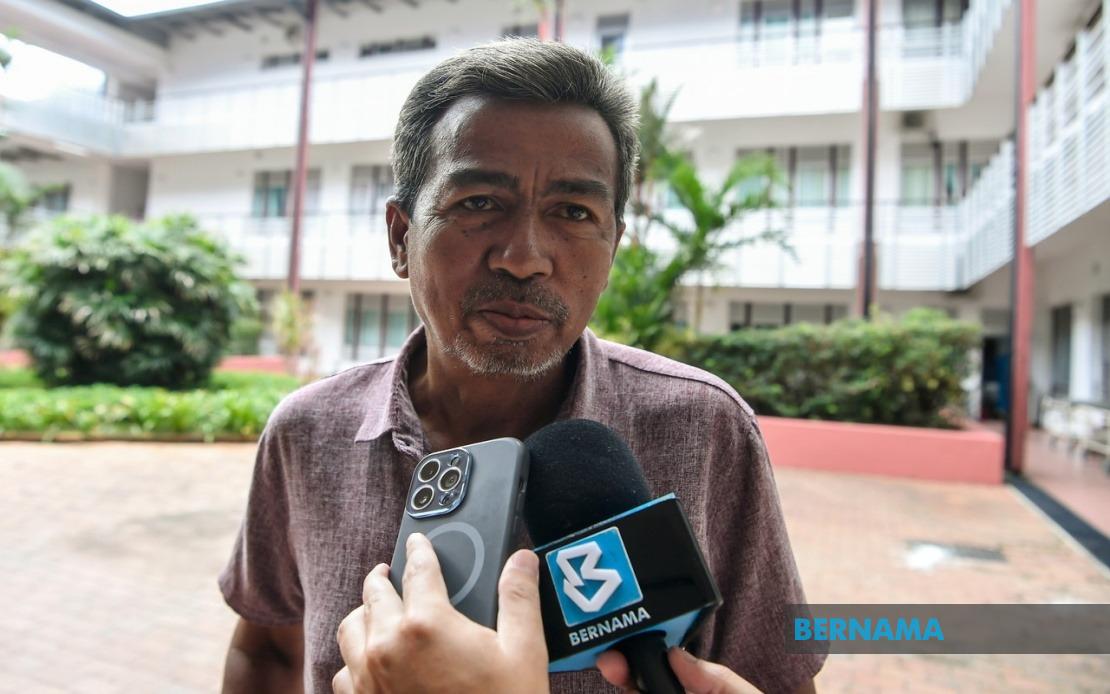
Yusuf Zakaria, chairman of the Langkawi Small Traders Association, articulated the sentiment of many islanders when describing the service as an initiative addressing a genuine operational gap. While acknowledging that non-governmental organisations have attempted to fill this void through volunteer water ambulance operations, he stressed the distinction between informal arrangements and formalised government protocols. The anticipated service will operate under standardised medical evacuation procedures, ensuring that patient transport adheres to established safety benchmarks and clinical standards rather than relying on ad hoc arrangements.
The reliability factor cannot be overstated for island communities where emergencies do not observe business hours. Masri Ahmad, a local trader, highlighted the particular vulnerability during nocturnal periods when ferry operations cease. A patient experiencing acute myocardial infarction or severe trauma at midnight currently faces a prolonged wait for daylight departure, a delay potentially catastrophic in medical emergencies. The sea ambulance service, operating around the clock, will eliminate this temporal vulnerability and provide immediate response capacity.
Contractor Muhamad Hafiz Abdul Jalil emphasised how the current ferry-dependent system proves fundamentally unsuitable for certain medical conditions. Patients requiring continuous oxygen therapy, cardiac monitoring, or invasive stabilisation procedures cannot be safely transported aboard civilian vessels designed for passenger convenience rather than medical evacuation. A purpose-built sea ambulance equipped with appropriate life-support apparatus will represent a qualitative transformation in emergency response capability.
Beyond serving permanent residents, the service holds implications for Langkawi's tourism sector, which contributes substantially to both state and federal revenues. The island attracted millions of visitors annually prior to the pandemic, with numbers recovering progressively. Foreign and domestic tourists experiencing sudden illness or accidents whilst enjoying resort amenities currently face anxiety regarding evacuation procedures and transport delays. A visible, professional emergency response system will enhance visitor confidence and potentially influence destination selection decisions among health-conscious travellers concerned about medical contingencies.
The RM5.5 million investment should be contextualised within broader healthcare disparity issues affecting peripheral island communities throughout Malaysia. Maritime accessibility challenges affect not only Langkawi but also communities in Sabah and Sarawak, where geography similarly complicates emergency referral pathways. Langkawi's advancement may establish operational models and procurement frameworks potentially adaptable to other island communities, suggesting wider policy implications beyond this single initiative.
Implementation timing assumes particular importance given seasonal weather patterns affecting maritime operations. The early 2024 launch window positions the service before the southwest monsoon season, allowing initial operational refinement during more favourable conditions. Staffing recruitment, crew training, and equipment familiarisation require adequate lead time to establish protocols ensuring seamless integration with existing hospital networks and emergency response coordination mechanisms.
Resident testimonies reflect not merely relief at receiving improved infrastructure but deeper recognition of governmental responsiveness to peripheral community needs. For islanders historically experiencing resource allocation asymmetries favouring developed urban centres, the announcement signals acknowledgment that emergency medical capacity represents a fundamental public service obligation regardless of geographic isolation. This psychological dimension—the validation that island concerns register within policy priorities—often matters as substantially as tangible infrastructure improvements.
The sea ambulance initiative demonstrates how strategic infrastructure investment can address systemic vulnerabilities within healthcare delivery systems. Rather than expanding tertiary hospital capacity on Langkawi itself, which would prove economically inefficient for an island population, facilitating rapid access to existing mainland facilities represents rational resource deployment. This model—developing robust inter-facility transport networks rather than duplicating specialised capabilities—increasingly characterises healthcare systems in developed jurisdictions.
Operational sustainability presents an ongoing consideration beyond the initial capital expenditure. The RM5.5 million covers acquisition and initial operating costs, but long-term viability depends upon adequate recurrent budget allocation for crew salaries, fuel, maintenance, and equipment replacement. Establishing transparent funding mechanisms and performance accountability frameworks will prove essential for preventing service degradation as political attention shifts toward subsequent initiatives.
As implementation proceeds, periodic evaluation of response times, patient outcomes, and operational efficiency will provide data informing potential service enhancements and potential expansion to other island communities facing similar challenges. Langkawi residents' enthusiasm for this initiative reflects not merely satisfaction with a specific project but broader aspirations for equitable healthcare access across Malaysia's diverse geography, an aspiration likely to persist until island communities achieve genuine service parity with urban counterparts.

