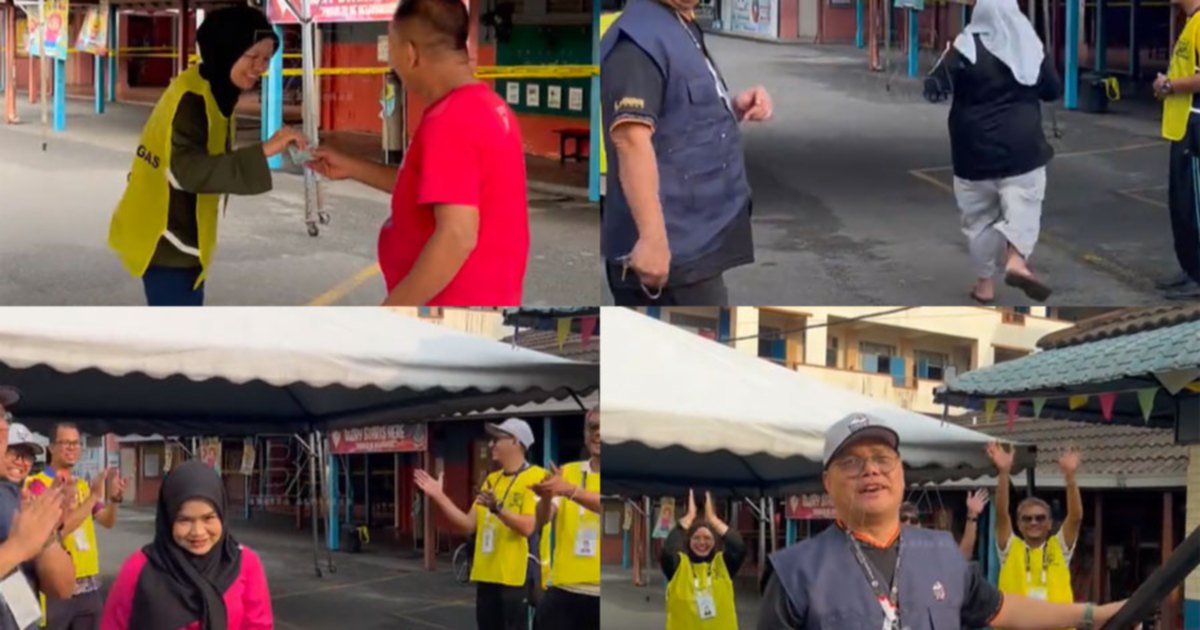
The closing hours of the Negri Sembilan state election produced moments of high drama that have since reverberated across social media platforms, with a video capturing the palpable urgency as the clock wound down to the 6pm voting deadline. The footage has resonated widely with Malaysians, drawing considerable engagement and conversation about the commitment demonstrated by voters determined not to miss their opportunity to participate in the electoral process.
The viral clip documents scenes of voters hurrying through polling station compounds in the final minutes, illustrating the determination of residents who had either waited until late in the day or encountered last-minute obstacles to their participation. Such footage has become increasingly common in Malaysian elections, often highlighting the strong civic engagement displayed during major electoral events, despite the challenges that sometimes accompany the voting process.
For Malaysian observers, the video underscores persistent questions about electoral logistics and voter accessibility. While the enthusiasm captured on camera reflects positively on democratic participation, election officials and policy analysts have long grappled with questions about whether current polling station hours adequately serve all segments of the voting population. Working Malaysians, particularly those in the service industry or with inflexible employment arrangements, frequently face constraints in reaching polls during standard operating hours.
The incident also serves as a reminder of the critical importance of voter awareness campaigns ahead of elections. Many Malaysians who leave their voting until the final hours may do so due to limited understanding of exact polling station locations or operating procedures. Enhanced communication strategies, including the strategic use of social media, could potentially help distribute voters more evenly throughout polling day rather than concentrating pressure on late-afternoon periods.
Negri Sembilan's state election represented a significant moment in Malaysian electoral politics, as state contests provide crucial indicators of public sentiment between federal polls. The enthusiastic turnout captured in the viral footage suggests sustained interest in state-level governance among the electorate, a pattern that election observers monitor closely when assessing broader political trends across the country.
The social media amplification of such electoral moments reflects contemporary changes in how Malaysians experience and discuss politics. Rather than relying solely on traditional media coverage, voters increasingly capture and share their own perspectives on voting day, creating a distributed narrative that complements official reporting. This democratization of political documentation has transformed how electoral events are remembered and discussed within communities.
Beyond the spectacle of the footage itself, the video raises substantive questions about voting administration that election authorities periodically address. Extended polling hours in selected constituencies, multiple voting locations to reduce congestion, or advance voting options have all been discussed as potential solutions to compress late-day rushes. However, implementing such changes requires coordination across federal and state authorities, as well as securing sufficient trained poll workers and facilities.
The enthusiasm captured in these final moments also reflects the hard work undertaken by polling station staff who remain on duty through to the official closure time. Election Commission personnel and volunteers demonstrate considerable dedication in managing voting processes, often working extended days to accommodate the democratic exercise. The burden placed on their resources during final-hour surges illustrates the operational challenges inherent in managing simultaneous voting across numerous locations.
Regional perspectives on Malaysian electoral participation suggest that scenes such as those in the Negri Sembilan footage would resonate with voters across Southeast Asia. Many countries in the region similarly experience late-day voting rushes and continue debating optimal approaches to scheduling and accessibility. Malaysia's experience offers lessons relevant to democratic practitioners throughout the region seeking to maximize voter participation while maintaining administrative efficiency.
The viral nature of the Negri Sembilan clip also demonstrates how Malaysian voters engage with and promote their own democratic experiences. Rather than passive recipients of electoral administration, the footage suggests viewers actively document, share, and comment upon voting processes. This participatory documentation reinforces democratic accountability and maintains public attention on electoral systems between formal election cycles.
Looking forward, the continued prominence of such footage suggests that election authorities should anticipate and prepare for both the operational reality of compressed voting during final hours and the communicative reality that such moments will be captured and circulated. Understanding and preparing for these twin dimensions—the practical voting challenge and the social media dimension—represents an important consideration for election management in contemporary Malaysia.

