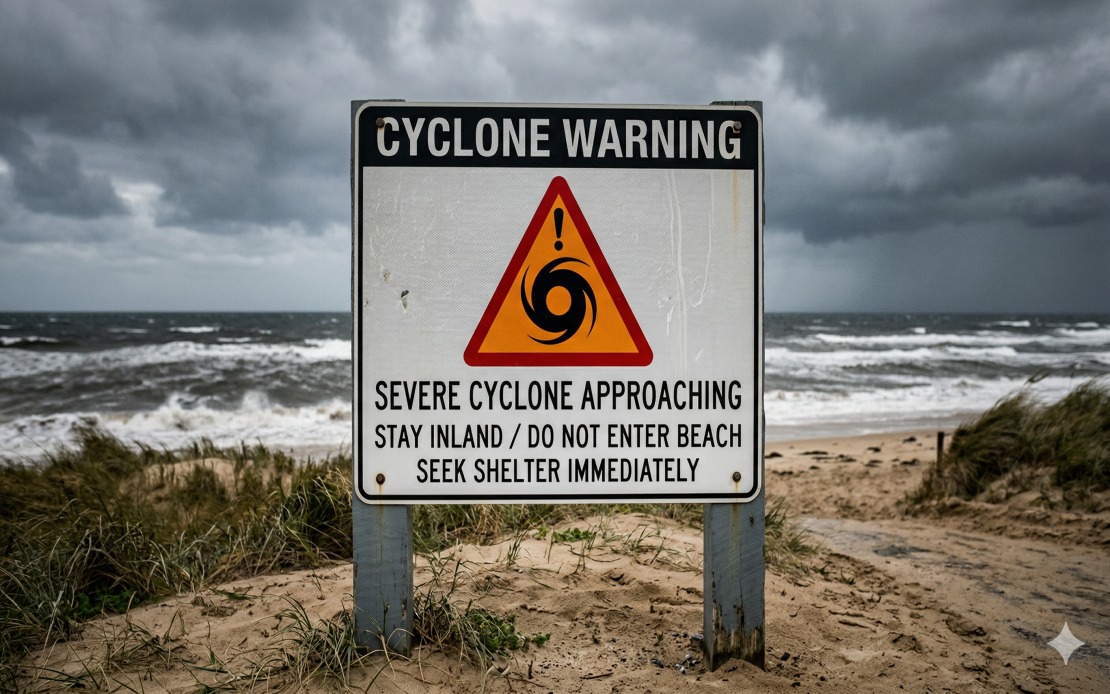
Latvia has activated its most severe weather alert system as meteorologists track an approaching cyclone set to unleash heavy precipitation and dangerous wind conditions across the Baltic nation this weekend. The Latvian Environment, Geology and Meteorology Centre issued the red warning specifically for central regions, with Riga and Jelgava among the population centres facing heightened risk. The alert period begins at 8 am on Saturday and extends through 1 am on Sunday, though forecasters cautioned that the geographical scope of the warning may shift as updated models become available over the coming hours.
The anticipated weather system poses multifaceted risks to the Latvian population and infrastructure. Authorities have warned that the torrential rainfall expected during the cyclone's passage could inundate residential areas, submerge roadways, overwhelm agricultural lands, and flood private gardens throughout the affected zones. Transport networks face particular vulnerability, with several highways and local routes potentially becoming impassable as water accumulation reaches dangerous levels. This scenario would effectively isolate communities and complicate emergency response efforts if conditions deteriorate rapidly.
Beyond flooding concerns, the cyclone threatens critical services that modern societies depend upon. Power distribution networks remain especially vulnerable to damage from falling trees and branches, with utility companies preparing for significant disruptions to electricity supply. Water treatment and distribution systems could also face interruptions, leaving households without reliable access to essential services. Telecommunications infrastructure—increasingly vital for emergency coordination and public safety communication—may likewise experience outages as weather impacts network equipment and transmission lines.
Latvian emergency management authorities have issued explicit guidance for residents to minimise exposure to the hazardous conditions. The State Fire and Rescue Service has urged the public to refrain from unnecessary outdoor movement during the critical window, effectively confining most activity indoors. Residents have been advised to secure any loose objects that could become projectiles in strong winds, from garden furniture to construction materials, reducing injury risks. The service also recommended that households charge electronic devices and mobile phones now, ahead of anticipated power outages that could leave families without communication capabilities for extended periods.
Community and cultural organisations across Latvia have already begun cancelling scheduled outdoor events in response to the forecast. This precautionary approach reflects the seriousness with which authorities are treating the meteorological threat. Concert venues, sporting events, festivals, and public gatherings have been postponed or relocated to indoor venues where feasible, preventing situations where large crowds could be exposed to extreme weather. The cascade of cancellations signals to residents the genuine severity of the approaching conditions and reinforces official warnings.
The cyclone's effects will not be confined to Latvia alone. Neighbouring Estonia faces a similar threat from the same weather system, with the Estonian Environment Agency issuing comparable warnings of intense rainfall and powerful winds throughout the weekend period. The regional nature of this cyclone underscores how weather systems in the Baltic region respect no political boundaries, affecting populations across multiple nations simultaneously. Estonia's electricity distribution operator Elektrilevi has specifically highlighted the risk of tree fall causing widespread outages, mirroring concerns raised by Latvian authorities.
The convergence of multiple hazards—flooding, wind damage, power loss, and service disruption—creates compounding challenges for emergency services and vulnerable populations. Elderly residents without backup power for medical devices, families with young children requiring refrigeration for medications, and individuals dependent on electronic systems face particular hardship during extended outages. Regional authorities are coordinating contingency plans, including positioning emergency response teams and pre-positioning supplies in areas expected to be most severely affected.
From a regional perspective, this weather event highlights the importance of resilient infrastructure planning in Northern Europe. Baltic states experience cyclonic systems periodically, yet the vulnerability of above-ground power and telecommunications networks continues to pose challenges. The reliance on rapid warning systems and public cooperation to minimise casualties demonstrates that technological forecasting capabilities, while vastly improved, remain only the first line of defence. Public awareness and preparedness behaviour ultimately determine how successfully communities weather such natural phenomena.
For Malaysian readers, Latvia's experience offers instructive comparison with Southeast Asian typhoon preparedness protocols. While the cyclone threatening Latvia differs in origin and characteristics from tropical storm systems familiar to the region, the underlying principles of early warning, infrastructure vulnerability, and public coordination remain universally relevant. Both contexts involve powerful weather systems, flooding risks, and the necessity for government agencies to communicate clearly and urgently with populations to minimise harm and facilitate recovery.

