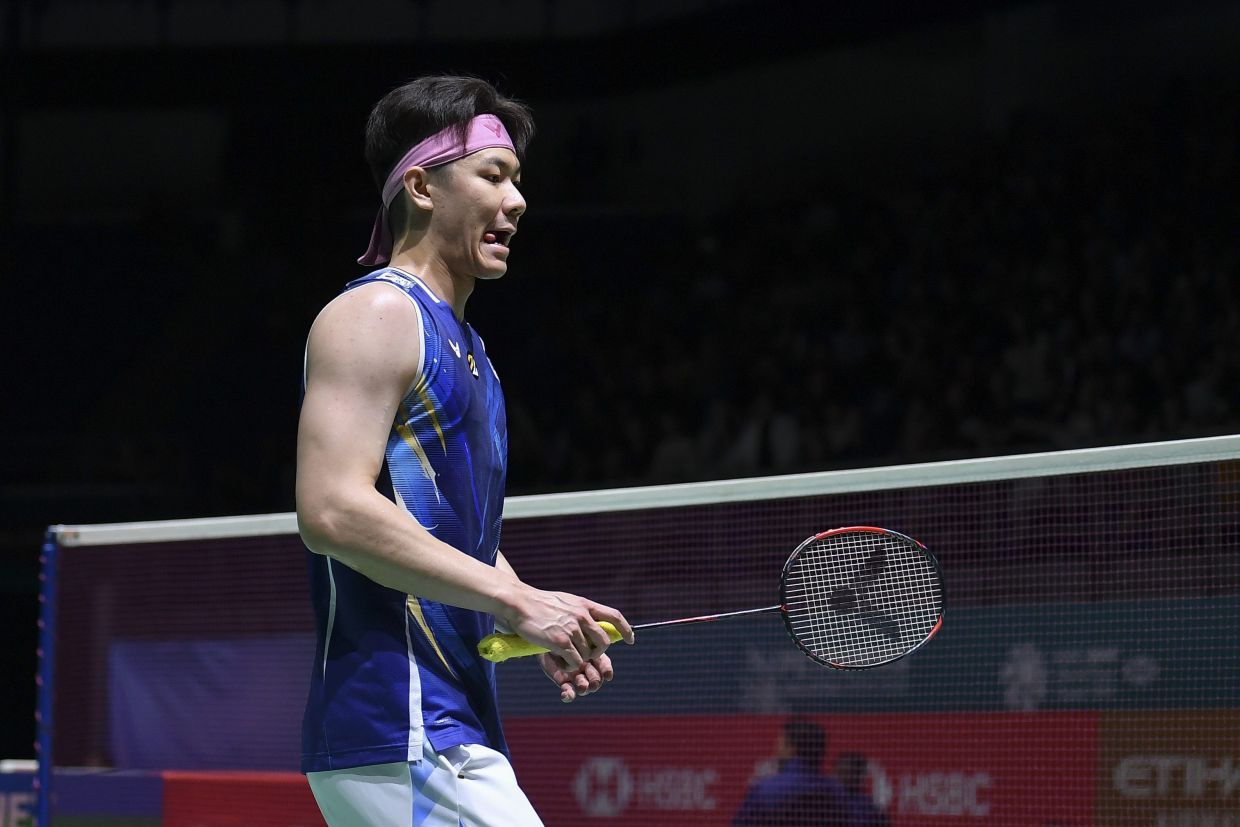
Lee Zii Jia has made a public pledge to remain in professional badminton, brushing aside suggestions that his recent travails might push him toward retirement. The 28-year-old Malaysian men's singles shuttler, speaking through social media on Sunday, declared his unwavering resolve to persist in the sport despite confronting what he described as one of the most difficult chapters of his playing career to date.
The Kedah-born athlete's statement comes at a pivotal juncture, following a period marked by persistent injuries that have hampered his physical conditioning and competitive output. Beyond the physiological toll, Zii Jia has grappled with mounting self-doubt and a loss of form that saw him fall down the rankings, creating a compounding psychological burden that threatened to derail his career ambitions entirely. His public acknowledgement of these multifaceted challenges signals a shift toward greater transparency about the mental and emotional dimensions of professional sport, issues that remain insufficiently discussed in Malaysian athletics.
In his candid message to supporters, Zii Jia expressed profound gratitude for the backing he has received from friends and fans during his difficult stretch. He acknowledged the peculiarity of his situation—recognising that supporters continued to encourage him even when he himself struggled to maintain faith in his own potential. This admission reveals the isolation that elite athletes can experience when battling both physical setbacks and confidence crises simultaneously, a phenomenon familiar to sportspeople worldwide but rarely articulated so openly by Malaysian competitors.
Zii Jia emphasised that his decision to persist stems from a fundamental realisation about the nature of athletic worth and human value. He articulated that an athlete deserves support not merely for accumulating victories, but fundamentally because the individual continues striving despite adversity. This philosophical stance suggests a maturation in his thinking, moving beyond the conventional metrics of success and failure that dominate professional sport discourse, toward a more holistic understanding of personal resilience and character development.
The shuttler provided context for his struggles, revealing that his difficulties intensified following his departure from the national badminton system in 2022. This transition marked a significant turning point in his career trajectory, as he shifted away from the structured support networks provided by formal national team arrangements. Zii Jia has indicated that this period represented his nadir, when multiple stressors converged—injury recovery, performance decline, and psychological turbulence—creating an environment where he felt unable to articulate his concerns to those in his immediate circle.
A critical breakthrough came when Zii Jia found the emotional fortitude to communicate his struggles openly. Rather than internalising his difficulties, he recognised the necessity of taking decisive action regarding his own career pathway. He has since emphasised the importance of personal agency, particularly his right to make autonomous decisions about his professional trajectory without external constraints that he felt previously limited his growth. This assertion of autonomy suggests underlying tensions regarding the degree of control and independence athletes enjoy within Malaysia's sports ecosystem.
Zii Jia's commitment to returning focus exclusively to on-court performance demonstrates a deliberate recalibration of priorities. He has signalled an intention to compartmentalise his life, concentrating his energy on badminton while simultaneously reconstructing his broader personal wellbeing. This holistic approach—treating career recovery and life reconstruction as interconnected processes—reflects sophisticated sports psychology awareness that mental clarity and personal stability directly influence competitive performance.
The Canadian Open provided tangible evidence of his upward trajectory, with Zii Jia securing his most impressive tournament result in recent months by reaching the semi-finals. Although he ultimately lost to Japan's Koki Watanabe, the performance indicated he has begun reversing the form decline that characterised his earlier struggles this year. This incremental progress, though modest in absolute terms, carries disproportionate significance for an athlete working through a comeback narrative, as each respectable result provides psychological reinforcement and concrete evidence that improvement remains achievable.
Looking ahead, Zii Jia faces a busy tournament schedule that will test whether his renewed determination translates into sustained competitive improvement. The Taiwan Open, scheduled from July 28 to August 2, followed by the Korean Masters from August 4 to 9, will offer consecutive opportunities to demonstrate consistency and build momentum. These tournaments represent critical platforms where Zii Jia can gradually work toward restoring his standing within international badminton rankings while simultaneously validating his commitment to continued competition.
For Malaysian badminton enthusiasts, Zii Jia's perseverance carries broader significance beyond individual athletic achievement. His situation exemplifies the challenges elite athletes navigate when transitioning between career phases, managing injury recovery, and maintaining psychological resilience in a relentlessly competitive environment. His public resilience and transparency about mental struggles also potentially contribute to shifting attitudes within Malaysian sports culture, encouraging greater acknowledgement of psychological dimensions alongside physical training and technical skill development in the pursuit of sporting excellence.

