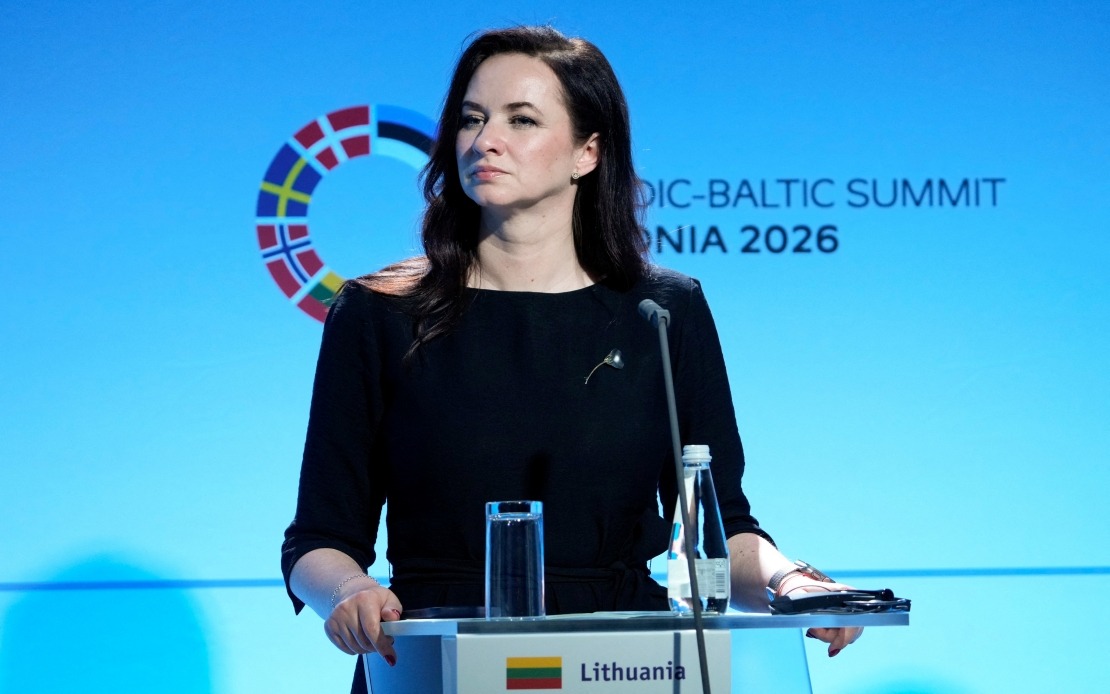
Lithuanian Prime Minister Inga Ruginiene tendered her government's resignation on Tuesday, June 23, setting in motion a constitutional process that will see the formation of a new administration within the country's ruling coalition. The announcement comes as the Social Democratic party navigates internal restructuring following electoral commitments made less than a year ago, marking a significant moment of political flux in the Baltic state.
Under Lithuania's constitutional framework, President Gitanas Nauseda now holds a narrow window of 15 days to nominate a successor for the prime ministerial post. That nominee must subsequently win the confidence of the Seimas, Lithuania's unicameral parliament, before assuming office. This procedural requirement reflects the parliamentary system's emphasis on majority support, ensuring that any incoming administration enjoys backing from elected representatives.
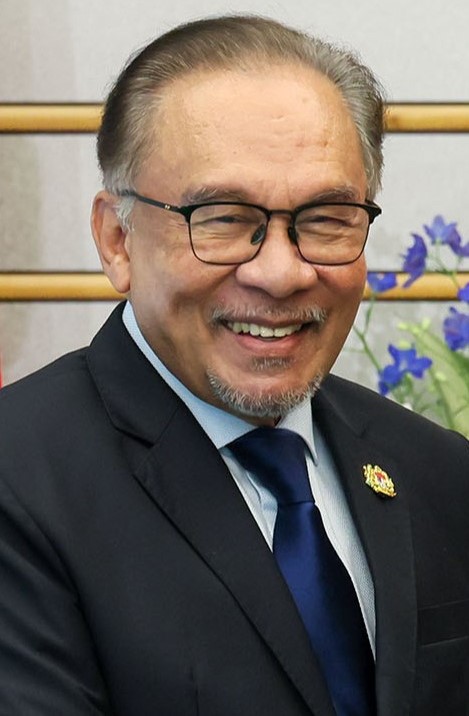
All indications point to Mindaugas Sinkevicius, who chairs the ruling Lithuanian Social Democratic Party, as the leading candidate for the nomination. Should parliament approve his appointment, he will inherit the responsibility of assembling a new cabinet and articulating a governing programme. The incoming premier will then have an additional 15 days to present a full roster of ministers for parliamentary endorsement, a process that typically involves negotiation among coalition partners and confirmation hearings.
The imminent change marks the third iteration of Social Democratic-led governance since voters went to the polls in late 2024. This pattern of coalition reassembly suggests underlying tensions within the ruling party or shifts in parliamentary dynamics that require fresh arrangements. The frequency of these transitions underscores the fragility that can characterise multi-party coalitions, particularly in smaller European democracies where coalition arithmetic leaves little room for governing mishaps or backbench rebellions.
The previous administration, headed by Inga Ruginiene, took office in August following the resignation of Gintautas Paluckas, her predecessor. That transition itself reflected the volatility within the ruling coalition, though the incoming government had managed to navigate nearly a year in office before the present reshuffle became necessary. The departing Cabinet's longevity contrasts with what might have been a much shorter tenure, suggesting that whatever circumstances prompted the current resignation emerged relatively recently rather than stemming from long-standing governance failures.
During the Cabinet's final meeting on Tuesday morning, all ministers voted unanimously to approve the resignation resolution, a display of unity that suggests the departure was orchestrated rather than fractious. Ruginiene herself offered a reflective assessment of her government's record, noting achievements despite confronting substantial obstacles. Her remarks implied that the outgoing administration did not exit office in disgrace but rather as part of deliberate political recalibration within the coalition.
President Nauseda formally accepted the resignation and directed the existing Cabinet to continue functioning as a caretaker authority. This arrangement ensures governmental continuity and prevents a vacuum in administrative functions during the transition period. Caretaker governments typically handle routine matters and urgent business but refrain from initiating major policy shifts or making significant appointments, thereby preserving decision-making authority for the incoming administration that will enjoy full parliamentary legitimacy.
The successive coalition formations reflect Lithuania's need to balance competing interests within its parliament and among its electorate. The Baltic nation, like other Central European states, navigates between European Union integration obligations, NATO security commitments, and domestic economic and social priorities. Coalitions must accommodate parties representing different constituencies—urban versus rural, younger versus older voters, reform-minded versus traditional factions—making durable alliances difficult to sustain.
For regional observers, Lithuania's political manoeuvres carry implications beyond its borders. The stability of Baltic governments remains significant given the region's strategic importance relative to Russia and its role within NATO and the EU. Coalition instability could theoretically complicate rapid decision-making on security matters or affect the consistency of Lithuania's European and transatlantic positions. However, the orderly constitutional process unfolding suggests institutional robustness, as the system accommodates political change through transparent procedures rather than crisis or confrontation.
Mindaugas Sinkevicius, assuming his nomination and confirmation proceed as expected, will inherit a government facing typical challenges of smaller European economies: demographic pressures, wage-price dynamics, infrastructure needs, and the need to balance fiscal discipline with social investment. He will also inherit Lithuania's external commitments, including its role in the EU's energy security strategy following Russian pressures on gas supplies and its participation in NATO's eastern flank posture.
The timeline established by constitutional procedure means that a fully formed, confirmed new government could be in place within five to six weeks from the resignation announcement. This compressed schedule reflects the parliamentary system's design to prevent prolonged leadership vacuums, though it also requires incoming leadership to work rapidly and efficiently in assembling a functional team and developing coherent policy directions.
The broader narrative of Lithuanian politics in the coming months will likely centre on whether Sinkevicius can stabilise the Social Democratic coalition and provide more durable governance than the rapid succession of administrations might suggest. His success or failure will inform assessments of whether the current coalition configuration represents a sustainable governing arrangement or merely a transitional phase toward further realignment.