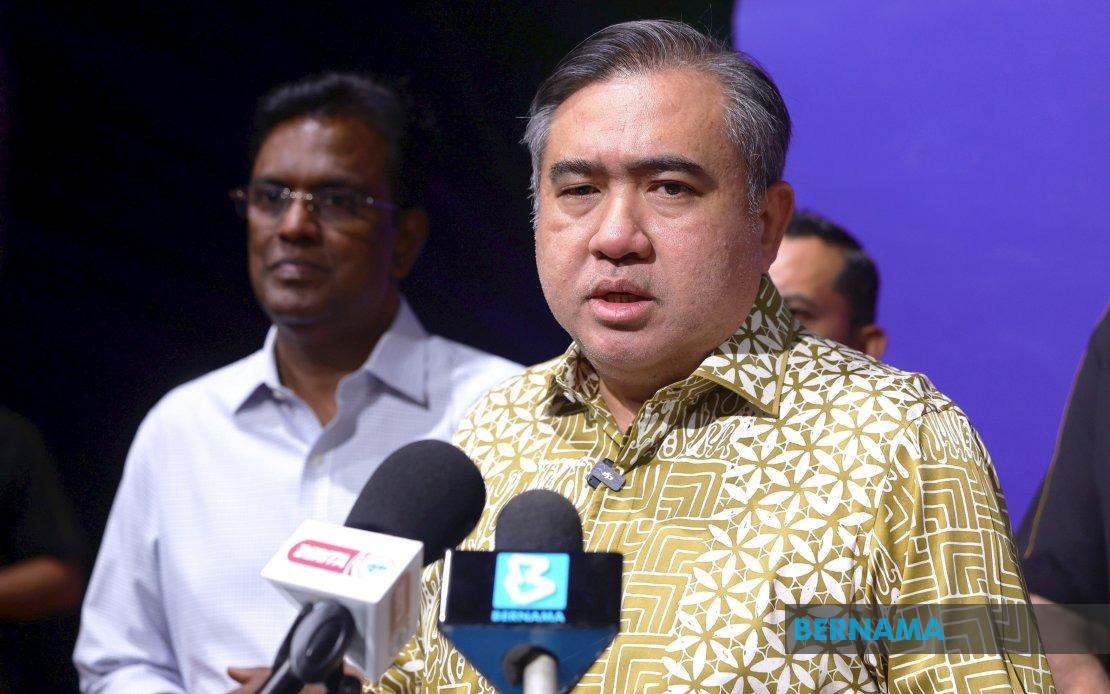
Incumbent Chennah assemblyman Anthony Loke has signalled his confidence and preparedness to contest against any prospective challenger for his constituency seat during the forthcoming Negeri Sembilan state election. Speaking in Seremban on July 2, the DAP secretary-general framed the prospect of electoral competition as a natural and healthy aspect of democratic governance, reflecting the openness that characterises Malaysia's political system.
Loke's remarks came in response to media queries regarding businessman Albert Tei, who has reportedly received a political party nomination and has not definitively ruled out entering the Chennah race. Rather than dismissing or expressing concern about potential opponents, Loke adopted a philosophical stance, emphasizing that democratic principles grant every eligible citizen the right to offer themselves as a candidate. His measured response underscores a wider acceptance within the DAP of the competitive nature of electoral politics, signalling confidence in his incumbent position and record.
The timing of Loke's comments is significant given the accelerating political calendar for Negeri Sembilan. The Election Commission has announced that nomination day will fall on July 18, with early voting scheduled for July 28 and general polling set for August 1. This compressed timeline means prospective candidates like Tei must make their intentions clear within the coming weeks if they intend to participate in the contest.
Crucially, Loke took the opportunity to remind all potential candidates of the formal requirements governing state-level electoral participation. He emphasized that anyone seeking to contest must satisfy the Election Commission's prescribed eligibility criteria, a point that carries practical significance for individuals considering last-minute candidacy bids. Among these requirements is the necessity to update one's registered residential address to align with the constituency in which one intends to stand—a procedural detail that, while straightforward, can derail campaigns if overlooked during the nomination period.
Despite the potential threat posed by rival candidates, Loke made clear that his current focus remains directed inward, toward fulfilling his existing obligations to the Chennah electorate. Rather than engaging in preemptive attacks or strategic counter-positioning against unnamed opponents, he chose to emphasise continuity and constituent service. This approach reflects a confidence that his record across three consecutive terms as the area's representative provides sufficient political capital to withstand electoral competition.
The three-term tenure that Loke referenced carries weight within Negeri Sembilan politics. Having retained voter support across multiple election cycles suggests a degree of personal incumbency advantage—a phenomenon well documented in Malaysian electoral behaviour, where sitting representatives often benefit from name recognition, constituent networks, and the ability to direct resources and attention to local projects. This foundation likely underpins Loke's apparent equanimity regarding challengers.
For DAP strategists more broadly, Loke's relaxed public posture toward competition sends a signal of organisational confidence. In a political environment where opposition parties frequently cultivate alternative candidates to challenge ruling coalition members, the DAP's willingness to frame such contests as routine democratic exercises rather than existential threats projects an air of security about the party's electoral prospects in Negeri Sembilan. This messaging carries implications beyond Chennah itself, subtly reinforcing DAP's broader narrative regarding its position in the state.
The Negeri Sembilan state election represents a meaningful political contest for Malaysia's coalition landscape. As a state where power-sharing arrangements have proven fluid in recent years, the outcome carries implications for both Kuala Lumpur's federal politics and for the state's own governance trajectory. Loke's willingness to embrace electoral competition rather than resisting it reflects the DAP's confidence in its broader appeal and organisational machinery across the state, even if specific constituencies may face competitive pressure.
That said, Loke's emphasis on candidate eligibility requirements and proper registration procedures may also contain a subtle messaging element. By foregrounding procedural rules and technical requirements, he implicitly raised the bar for potential opponents—a gentle reminder that contesting an election involves more than political ambition, but also administrative diligence. For someone like Tei, who may lack experience in electoral mechanics, such procedural friction could prove consequential if nomination deadlines approached without proper preparation.
The broader context of Malaysian electoral politics suggests that Loke's calm demeanour reflects genuine confidence rooted in several factors. The DAP has demonstrated organisational strength in urban and semi-urban constituencies throughout the peninsula, and Chennah, despite being a state seat in a Malay-majority state, likely benefits from the party's ground organisation and strategic positioning. Additionally, Loke's dual role as both state assemblyman and DAP secretary-general means he commands resources and visibility beyond the immediate constituency, advantages that not all challengers can match.
Looking toward the August 1 polling date, the Negeri Sembilan election will test not just individual candidates but the broader health of Malaysia's electoral system. Loke's principled stance on democratic competition—welcoming challengers while emphasising procedural propriety—exemplifies how established politicians can navigate electoral uncertainty with dignity and confidence. Whether Tei ultimately decides to contest remains unclear, but Loke's public readiness has already defined the tenor of what may become a significant state-level battle.

