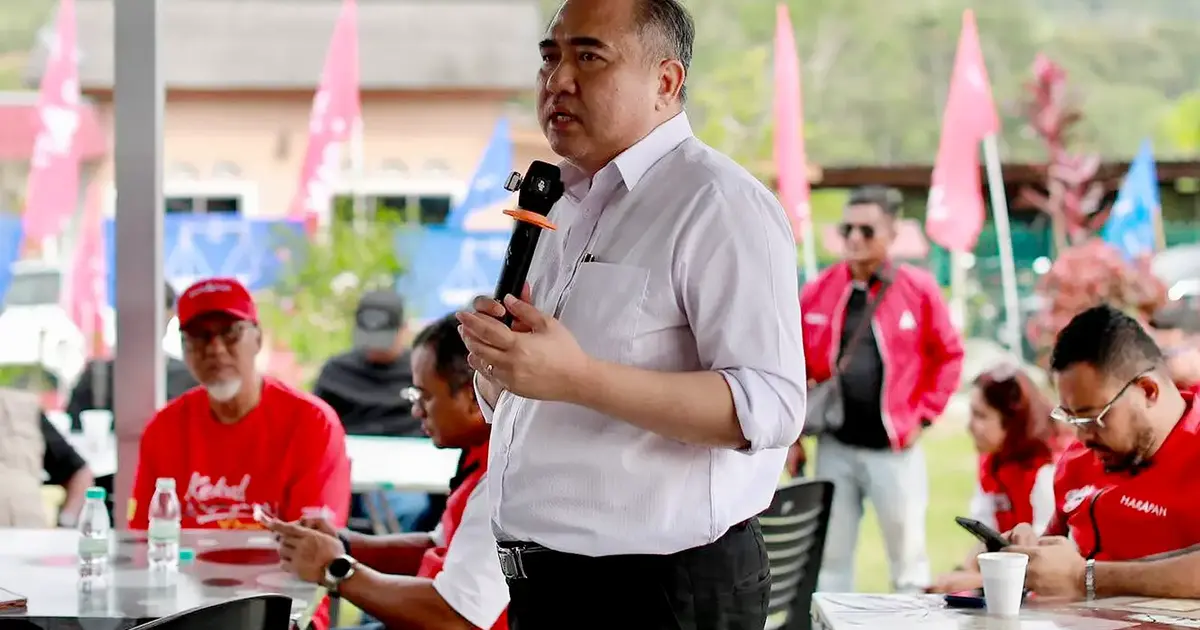
Anthony Loke's electoral defeat has triggered serious reassessment within the Democratic Action Party regarding its historic dual-mandate model, under which party leaders have routinely contested and held both state assembly and parliamentary seats in tandem. This traditional arrangement, which has characterised DAP's operational structure for decades, requires senior figures to juggle commitments across two distinct legislative tiers, managing constituency work and attending both state and federal parliament simultaneously. The recent setback has forced party strategists to confront uncomfortable questions about whether this approach remains tenable in contemporary Malaysian politics.
The practice of concurrent representation has long been embedded in DAP organisational culture, rooted in the party's desire to maintain strong grassroots presence whilst simultaneously wielding federal-level influence. By distributing senior leaders across both tiers of government, the party intended to maximise its reach and consolidate control within its strongholds. This multi-layered representation was viewed as a competitive advantage, allowing the party to coordinate policy implementation and secure resources more effectively than rivals constrained to single positions. Party veterans argued that the arrangement ensured local concerns could be escalated to federal decision-makers immediately, creating an efficient vertical integration of advocacy.
However, Loke's loss exposes inherent vulnerabilities in this model. The demands of maintaining two separate electoral mandates inevitably dilute individual attention and resource allocation. Campaigns for dual positions require candidates to project credibility across different electoral scales and voter demographics. Constituents may perceive divided loyalties or question whether their representative genuinely prioritises local concerns when significant energy flows toward distant parliamentary responsibilities. Opponents capitalise on this perception, portraying dual-mandate holders as distracted or disengaged from immediate community needs.
The electoral landscape has also shifted considerably since the dual-role strategy became standard practice. Opposition parties have grown more sophisticated in targeting vulnerable incumbents, and voter expectations regarding representative accessibility have intensified. Social media amplification means instances of missed town halls, delayed constituency case resolution, or perceived neglect receive immediate, widespread circulation. Younger voters particularly demand responsive, consistently visible representatives. The frantic schedule required for managing two posts simultaneously complicates meeting these contemporary expectations. Candidates can no longer rely on traditional networks alone to sustain support; they must demonstrate active, visible engagement across multiple platforms and venues.
Within DAP's internal hierarchy, the dual-position arrangement has historically served as a mechanism for cultivating and testing leadership potential. Rising figures would typically contest state seats whilst more established leaders moved to parliament, creating a progression pathway. This system facilitated succession planning and talent development within existing organisational frameworks. Yet the recent electoral outcome suggests this progression model may no longer guarantee political survival. Loke's defeat indicates that seniority, experience, and historical prominence offer diminishing insulation against electoral challenges. Younger, hungrier candidates mounting aggressive campaigns appear increasingly capable of displacing entrenched incumbents regardless of their party status.
The financial dimensions merit consideration as well. Contesting dual positions simultaneously elevates campaign costs substantially, requiring greater fundraising efforts and resource deployment across two distinct battlegrounds. For parties operating with tighter financial constraints compared to established ruling coalitions, this multiplication of expenditure strains capacity. Resources invested defending a state seat might have been deployed more strategically at federal level, or vice versa. The efficiency question becomes acute in marginal constituencies where marginal investments in campaign intensity might determine outcomes. Strategic concentration rather than diffusion might yield superior results.
Regional implications extend beyond DAP's internal deliberations. The party's performance significantly influences Opposition dynamics across Malaysia's western corridor. If DAP's traditional strength diminishes due to structural vulnerabilities in its representation model, the broader Opposition coalition weakens proportionally. Umno and Barisan Nasional remain attentive to opposition bloc developments, recognising that DAP's difficulties create opportunities for territorial expansion. Similarly, PKR and other coalition partners watch carefully, assessing whether DAP's struggles presage broader Opposition vulnerability or represent isolated anomalies.
The party faces considerable pressure to adapt quickly. Some analysts suggest focusing senior figures more narrowly on either state or federal roles, concentrating their energies rather than dividing them. Others propose rotating dual-position holders through fixed cycles, preventing the stagnation that sometimes characterises long-term incumbency. Mentorship models might allow experienced leaders to support rising candidates without requiring direct electoral competition. Each approach carries distinct advantages and risks, requiring careful deliberation against DAP's broader strategic objectives and factional dynamics.
Loke's loss also illuminates how electoral systems interact with representation models. Malaysia's concurrent state and federal elections create particular pressures on dual-mandate holders, as campaign intensity escalates dramatically during joint polling periods. Conversely, staggered elections disperse demands temporally, potentially easing the strain. Should electoral calendars shift, the practical implications for dual-position viability would shift correspondingly. Political calculations regarding candidate positioning must therefore account for likelihood and timing of future electoral events.
Moving forward, DAP's leadership will require candid assessment of whether maintaining traditional dual-mandate arrangements serves contemporary political reality. The party's electoral performance depends increasingly on articulate, visible, accessible representatives commanding undivided attention within their constituencies. Loke's defeat provides a cautionary signal that historical practice, however well-intentioned and traditionally successful, demands regular evaluation against evolving political conditions. Whether DAP substantially modifies its dual-role strategy or implements more modest adjustments will considerably shape its trajectory during Malaysia's coming electoral cycles.

