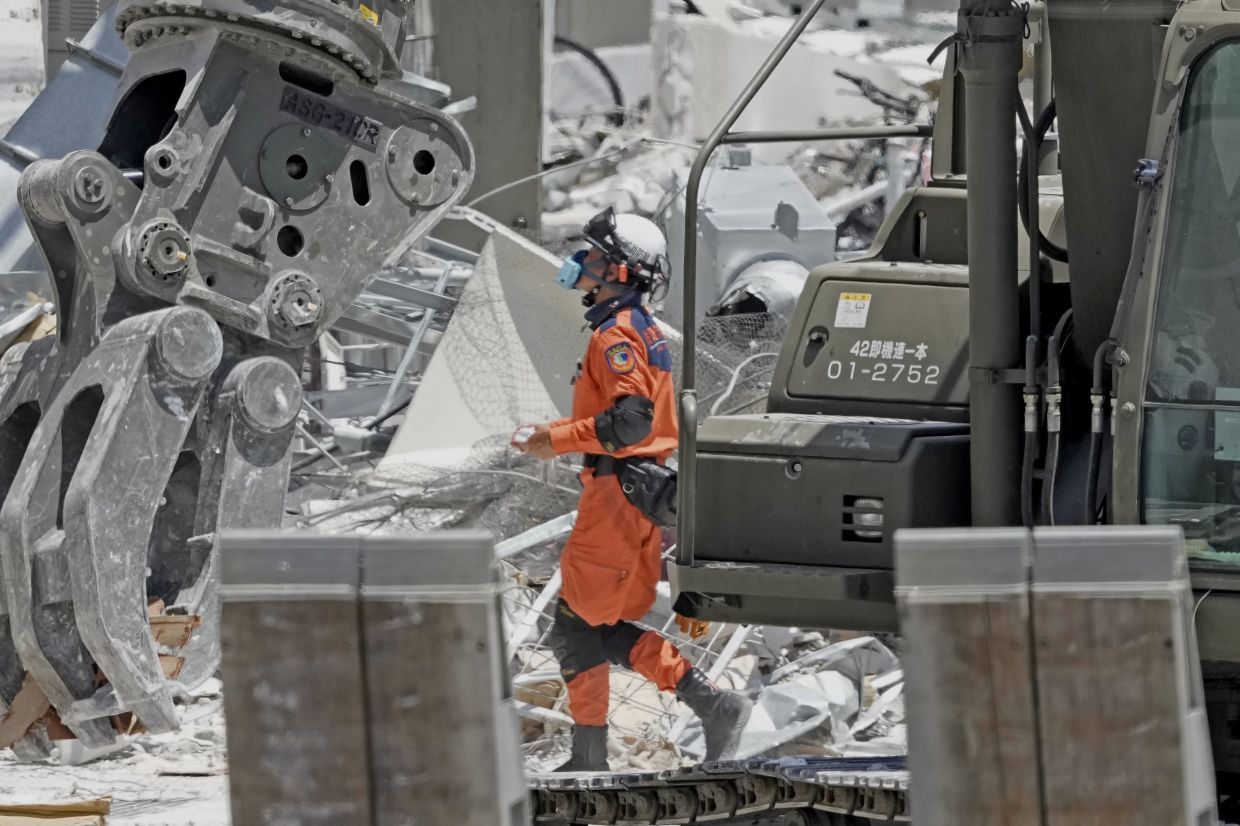
A deadly explosion at a major shopping destination in Japan's Kumamoto Prefecture has been traced to a liquefied petroleum gas leak, according to findings released by the Economy, Trade and Industry Ministry on August 5. The blast at Aeon Mall Kumamoto, which killed three store employees, occurred at approximately 5.50pm on July 28, roughly 80 minutes after a significant earthquake struck the region. The explosion damaged the central section of the mall's second floor on the southern side, prompting intense scrutiny into what caused the catastrophic incident.
The LPG had been utilised throughout the shopping complex for essential operational purposes by numerous tenants, particularly restaurants and food establishments that relied on the gas for cooking operations and water heating systems. The ministry's preliminary assessment pinpoints the gas leak as the probable culprit, though investigators continue examining the precise mechanisms that allowed the accumulation to reach dangerous levels. This finding represents a critical conclusion for understanding how a natural disaster's secondary effects can create entirely separate hazards within large commercial structures.
The investigation into the root cause of the leak remains ongoing, with authorities still working to identify exactly how and where the gas escaped from the building's distribution network. During systematic searches of the premises conducted jointly by Kumamoto prefectural police and fire service personnel, investigators detected a distinctive gas odour inside the structure, providing empirical evidence supporting the LPG hypothesis. These sensory observations formed part of the investigative foundation for the ministry's conclusion.
According to information provided by Aeon, the mall's LPG infrastructure was extensive and distributed throughout the facility. Restaurants situated on the first floor's northern section utilised the gas for cooking, whilst a food court on the second floor's eastern side drew on the same supply for culinary operations. Additionally, the gas played a role in the building's air conditioning systems, indicating how deeply integrated LPG was into the mall's everyday functioning. This multi-faceted dependency meant that any compromise in the delivery system posed risks across numerous locations.
The storage and distribution system operated on a substantial scale. A dedicated tank containing 9,367 kilograms of LPG was positioned on the mall's premises, with gas piped from this central reservoir through underground conduits into the building itself. Once inside, the supply branched through an intricate network of pipes running along floors and through walls, delivering gas to various consumption points throughout the structure. This complex piping architecture meant that any rupture or disconnection could release gas into enclosed spaces where it might accumulate undetected.
What makes this incident particularly significant is the timing relative to the earthquake. The seismic event itself may have caused structural stress or movement that compromised the integrity of pipes or connections, creating conditions for gas escape. The 80-minute interval between the earthquake and the explosion suggests that gas accumulated progressively within the building following the seismic event, reaching an explosive concentration before igniting. This pattern underscores how earthquakes can trigger secondary disasters through infrastructure damage that manifests gradually.
Investigators have focused particular attention on the gas remaining in the distribution pipes themselves rather than the main storage tank. Records indicate that the quantity of LPG remaining in the primary tank was approximately normal for that time of day, suggesting the leak originated elsewhere in the system. The hypothesis that gas trapped within the piping network escaped into the building's interior spaces and accumulated to critical levels appears increasingly supported by the evidence. Such scenarios are challenging to predict because leaks within concealed piping can develop without obvious external warning signs.
For Malaysia and other Southeast Asian nations, this incident carries important implications regarding building safety standards and emergency preparedness in the context of natural disasters. Shopping malls and large commercial complexes throughout the region commonly rely on LPG for cooking facilities, food court operations, and climate control. The Kumamoto case demonstrates that seismic events can create dangerous secondary effects in infrastructure systems that normally operate safely under ordinary conditions, suggesting that building codes and maintenance protocols in earthquake-prone regions require particular attention to gas delivery systems.
The incident also highlights the critical importance of preventive maintenance and regular inspection of gas distribution networks in large commercial facilities. Many Southeast Asian shopping centres operate under similarly complex arrangements with distributed LPG supplies, yet may not have comprehensive protocols for detecting leaks in concealed piping systems or responding to post-disaster gas escape scenarios. The three fatalities at Kumamoto underscore that such oversights carry real human costs.
Further investigation will likely examine whether the earthquake's specific characteristics—its magnitude, duration, and locational impact—created particular stresses on the mall's piping infrastructure. Understanding precisely how seismic forces compromise gas delivery systems could inform improved design standards for new construction and renovation of existing facilities. Japan's rigorous investigation process may yield valuable technical insights applicable to building safety across the region.
Authorities have also needed to consider whether emergency response systems functioned adequately following the earthquake. The delay between the seismic event and the explosion provided a window during which evacuation or gas dispersal measures might theoretically have been implemented, had the gas leak been detected earlier. This aspect of the investigation will likely inform recommendations for improving emergency detection and response capabilities in commercial facilities housing multiple food service operations.

