%22%2F%3E%3C%2Fpattern%3E%3C%2Fdefs%3E%3Crect%20width%3D%22100%25%22%20height%3D%22100%25%22%20fill%3D%22url(%23ph38adyg)%22%2F%3E%3Crect%20width%3D%22100%25%22%20height%3D%22100%25%22%20fill%3D%22url(%23ph38adyp)%22%2F%3E%3Ctext%20x%3D%2250%25%22%20y%3D%2250%25%22%20text-anchor%3D%22middle%22%20dominant-baseline%3D%22central%22%20fill%3D%22rgba(255%2C255%2C255%2C0.95)%22%20font-family%3D%22Georgia%2C%20'Times%20New%20Roman'%2C%20serif%22%20font-weight%3D%22700%22%20font-size%3D%22320%22%20letter-spacing%3D%22-0.02em%22%3ELRT3%3C%2Ftext%3E%3C%2Fsvg%3E)
Malaysia's long-awaited Light Rail Transit 3 (LRT3) service will commence operations on Monday, June 29, Transport Minister Anthony Loke announced on Saturday. The new rail line, which has been under development for several years, represents a significant addition to the Klang Valley's public transport infrastructure and marks another milestone in the government's broader efforts to expand rapid transit connectivity across the nation's most densely populated urban corridor.
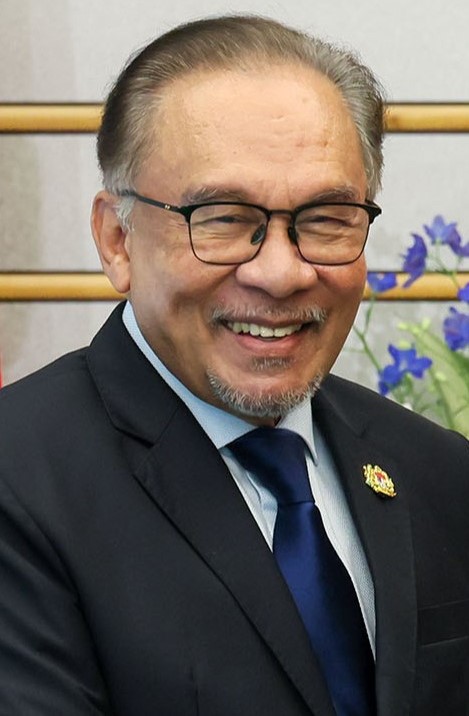
Prime Minister Datuk Seri Anwar Ibrahim will preside over the official launch ceremony scheduled for Sunday, with full service commencing the following day. Loke made the announcement while opening a new Road Transport Department branch at Terminal Bersepadu Selatan in Kuala Lumpur, signalling the government's continued focus on enhancing transportation services across multiple modalities. The timing of the announcement reflects the administration's commitment to delivering on infrastructure promises, particularly as the nation continues to grapple with urban congestion and transportation demands.
The LRT3 stretches for 37.8 kilometres, running from Bandar Utama in the north to Johan Setia in the south, traversing through key areas of Selangor state. This routing has been strategically designed to address connectivity gaps in the western corridor of the Klang Valley, one of Malaysia's most economically important regions. The line's route encompasses a diverse mix of residential neighbourhoods, commercial centres, and industrial zones, reflecting the varied land use patterns that characterise suburban Selangor.
The new service is projected to serve approximately two million residents across the areas it traverses. This substantial catchment population underscores the significant demand for improved public transport options in the western Klang Valley, where car dependency has historically been high due to limited rapid transit alternatives. The availability of the LRT3 is expected to provide these communities with a viable alternative to private vehicle use, potentially reducing traffic congestion on major roads during peak hours.
The line's primary purpose is to strengthen transportation links between areas that have previously relied on bus services, school transport, and personal vehicles. By integrating Bandar Utama, Shah Alam, and the surrounding districts with the existing LRT network, the LRT3 will enable commuters to access employment centres, educational institutions, shopping destinations, and entertainment venues more efficiently. This enhanced connectivity should contribute to improving quality of life for residents and supporting economic activity throughout the region.
From an infrastructure perspective, the LRT3 represents a continuation of Malaysia's substantial investment in rail-based public transport over the past two decades. The project complements existing services including the LRT Lines 1 and 2, the KL Monorail, and the Express Rail Link, creating a more comprehensive rapid transit ecosystem. However, the focus on the western corridor specifically addresses a long-standing gap in coverage, as previous development had concentrated more heavily on routes serving central Kuala Lumpur and other corridors.
The launch comes at a time when public transport adoption in the Klang Valley remains a critical policy objective for the government. Traffic congestion costs the Malaysian economy billions of ringgit annually through lost productivity, increased fuel consumption, and environmental degradation. By providing residents with a modern, reliable rail option, the LRT3 could contribute meaningfully to reducing single-occupancy vehicle trips, though success will depend on factors including service frequency, operational reliability, and fare competitiveness.
Operationally, the commencement of full service on June 29 will require coordination between multiple agencies to ensure smooth integration with existing transport networks and services. The station infrastructure, rolling stock, signalling systems, and operational procedures have been extensively tested during the project development phase. Early operations will be critical in identifying any teething problems and allowing operators to optimise service delivery during this crucial launch period.
For residents in Shah Alam and surrounding areas, the opening of the LRT3 marks the beginning of a new era in local mobility. Communities that have grown substantially over the past two decades will now have access to rapid transit infrastructure comparable to that available in more central areas. This may influence future development patterns, with potential for increased commercial and residential growth in proximity to LRT3 stations, similar to transit-oriented development patterns observed around other Malaysian rail services.
The project also carries significance for Malaysian economic development more broadly, as improved urban transport infrastructure is increasingly recognised as essential for maintaining competitiveness and attracting investment. Multi-modal transport hubs and well-connected urban areas tend to perform better economically than those reliant on individual vehicle transport. The LRT3's completion thus contributes to the broader infrastructure ambitions outlined in Malaysia's long-term development plans.
Looking forward, the success of the LRT3 will be measured not merely by passenger numbers in the initial months, but by sustained ridership growth and its impact on traffic patterns, air quality, and resident satisfaction. Operators will need to monitor service performance closely and remain responsive to passenger feedback. Additionally, integration with feeder bus services and other transport modes will be essential to maximising the line's utility and ensuring it becomes a genuine alternative to private vehicle use for the target population.