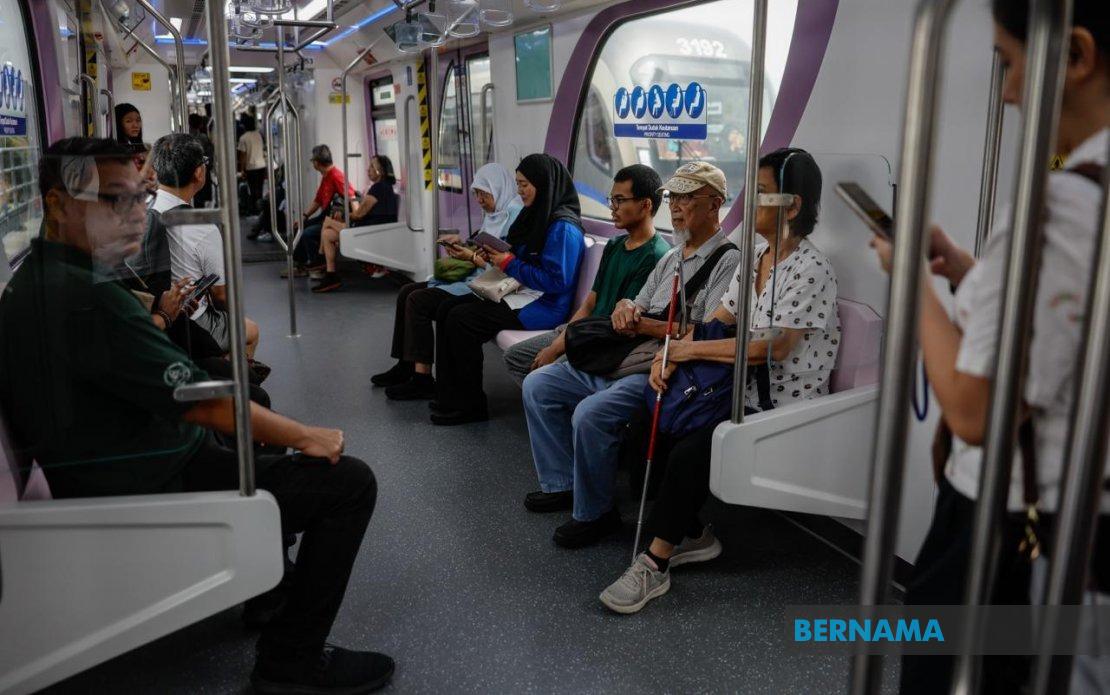
The newly inaugurated Light Rail Transit 3 (LRT3) Shah Alam Line commenced operations to enthusiastic reviews from its first wave of passengers, who characterized the modern transit corridor as user-friendly, efficient, and instrumental in shaving travel times across the Klang Valley. The RM16.63 billion infrastructure project represents a significant government commitment to expanding the metropolitan region's public transport capacity, yet the initial user feedback has already revealed important gaps that planners should address as the service matures.
While general sentiment among commuters proved decidedly positive, a consistent theme emerged from riders regarding the need for enhanced facilities targeting persons with disabilities (PwDs). Several passengers volunteered suggestions spanning from improved signage to better wayfinding systems, indicating that although the new line represents a step forward in inclusive design, more refinement is necessary to serve vulnerable populations adequately. This feedback arrives at a critical juncture when transport authorities can still implement modifications before usage patterns become entrenched.
Razlan Ibrahim, a 40-year-old visually impaired commuter, tested the entire LRT3 route between Kajang and Glenmarie 2 on opening day and emerged generally satisfied with the infrastructure's foundational accessibility provisions. The tactile pathways installed at stations like Bandar Utama proved particularly valuable, he noted, guiding blind and low-vision users directly to essential facilities including accessible restrooms and lifts without confusion or hesitation. Such intelligent design elements demonstrate that transport developers understand accessibility requirements at a practical level.
However, Ibrahim pinpointed a critical shortcoming: the absence of comprehensive Braille signage at key locations throughout the network. He specifically highlighted the need for tactile and written directional information near PwD-designated facilities, gender-separated prayer rooms, and elevator banks. This gap means visually impaired passengers cannot independently access critical information, undermining the effectiveness of the physical accessibility infrastructure already in place. Addressing this deficiency would require relatively modest investment compared to the overall project cost, suggesting implementation should be prioritized.
The government's decision to offer free fares for all passengers through July 31 represents a strategic choice to maximize network familiarity and gather authentic usage data during the critical launch window. Prime Minister Datuk Seri Anwar Ibrahim announced the complimentary service alongside feeder bus connections operated by Prasarana Malaysia Berhad, effectively creating an integrated trial period that extends beyond rail users to encompass the broader transit ecosystem. This extended promotional window affords authorities several weeks to observe actual travel patterns and respond to emerging concerns before revenue-based operations commence.
Samantha Fong, a 26-year-old private sector employee, articulated another common passenger observation: the new line's ability to facilitate direct journeys without intermediate transfers significantly streamlines commuting between Bandar Utama and Glenmarie 2 station. She appreciated the short waiting times observed on opening day and the overall operational smoothness, yet she advocated for the introduction of women-only coaches on certain trains. This suggestion reflects longstanding concerns about women's safety in crowded public transport environments, a consideration that transport planners in Southeast Asia increasingly recognize as essential for broadening ridership among female commuters.
Female passengers have historically identified crowding and harassment as barriers to sustained use of mass transit systems, particularly during peak hours when trains operate at maximum capacity. The inclusion of designated women-only sections or entire coaches would address this concern directly, potentially encouraging greater female participation in the workforce and commercial activity across the greater Klang Valley. Several neighbouring jurisdictions, including Singapore and parts of Thailand, have already implemented similar measures with measurable success in improving passenger confidence and ridership among women.
Rainchie Lee, another 26-year-old private sector worker, emphasized how the one-month free-fare trial period enables a diverse cross-section of potential users—students, office workers, retail staff—to thoroughly evaluate whether the LRT3 integrates meaningfully into their existing mobility patterns. This experimental approach to transport adoption proves more effective than relying on theoretical demand models, as it provides potential commuters hands-on experience with actual travel times, reliability, and comfort levels. The data gathered during this period will prove invaluable for refining operations before the line transitions to standard fare collection.
The transition from initial enthusiasm to sustained ridership depends heavily on whether transport authorities respond promptly to the accessibility and comfort suggestions already surfacing from users. Implementing Braille signage, exploring women-only coach arrangements, and conducting accessibility audits at all 13 stations would demonstrate genuine commitment to inclusive transit. These interventions, relatively modest in cost relative to the overall RM16.63 billion investment, could meaningfully expand the user base beyond conventional commuters to encompass disabled persons, elderly passengers, and women who otherwise might avoid the system due to safety or accessibility concerns.
The LRT3 Shah Alam Line's opening exemplifies both the progress Malaysia has achieved in modern transport infrastructure and the ongoing work required to ensure such systems serve all residents equitably. Initial passenger feedback has validated the fundamental design and operational approach, yet it has simultaneously revealed opportunities for refinement that remain within reach. As the Klang Valley continues its rapid urbanization and metropolitan expansion, the quality of inclusive public transport will increasingly determine whether future economic growth benefits the entire population or perpetuates existing inequalities in mobility and opportunity.

