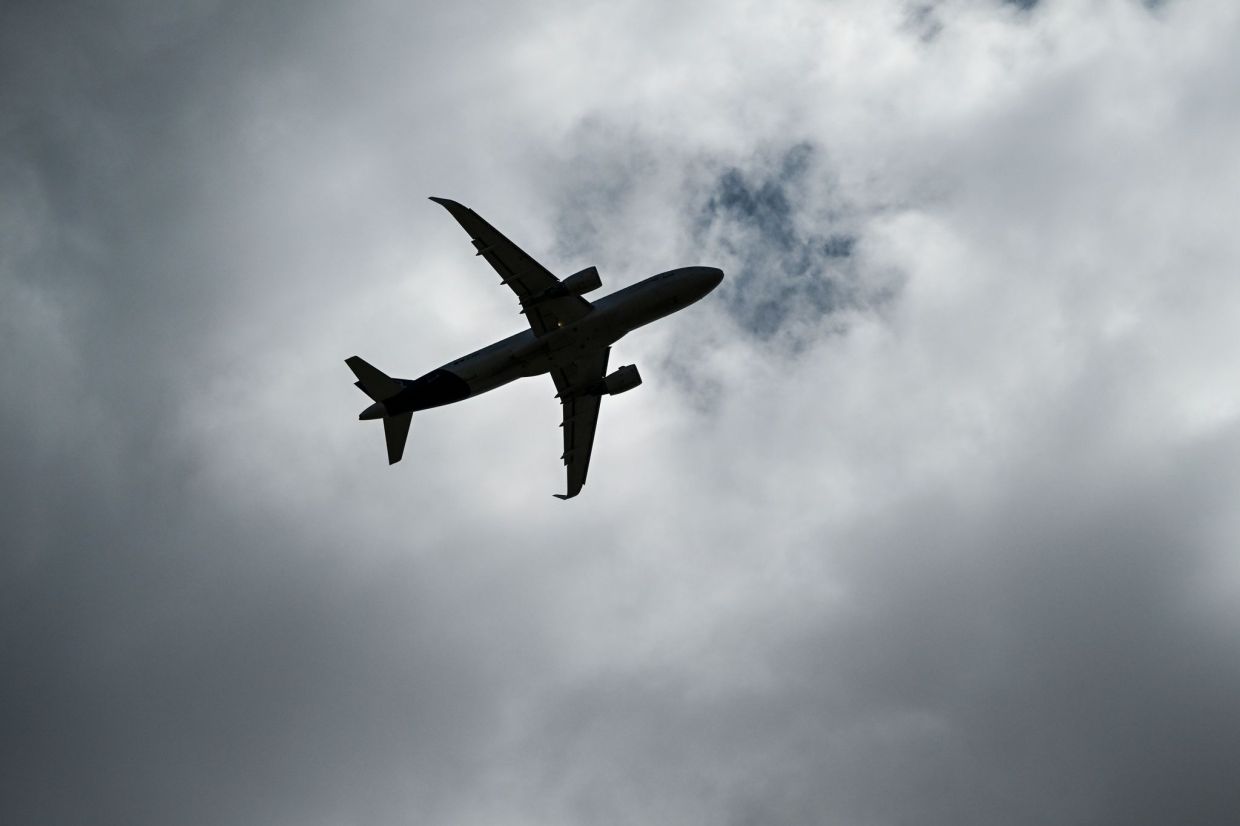
A Swiss International Air Lines aircraft carrying 206 passengers from Zurich was forced to divert to Dublin on a transatlantic journey to Boston after a power bank ignited and produced smoke in the cabin. The incident, which triggered an emergency signal enabling the flight to obtain landing priority, represents the second such occurrence involving electronic devices within a fortnight across Lufthansa Group carriers. The passengers were subsequently accommodated in hotels while the airline arranged onward travel to their final destinations.
The diversion underscores growing concerns within the aviation industry regarding lithium-ion battery safety at altitude. Power banks have become ubiquitous travel companions for business and leisure passengers seeking to maintain connectivity throughout long flights. However, their potential to malfunction when damaged or defectively manufactured poses genuine risks in the pressurised cabin environment where fire-fighting capabilities remain limited and evacuations can prove hazardous.
Just weeks earlier, another Swiss flight operating from Zurich to New York made an unscheduled landing in Bangor, Maine, following the discovery of smoke in the passenger cabin. That incident stemmed from a charging case for wireless headphones that had slipped between seats, become wedged in the narrow space, and sustained structural damage that triggered thermal runaway—the uncontrolled release of energy from the battery cells.
In response to these occurrences, Lufthansa Group has implemented comprehensive restrictions governing the carriage and use of power banks across its fleet, effective from the beginning of 2026. The regulations reflect international aviation authority recommendations and align with safety protocols increasingly adopted by carriers worldwide. Passengers flying with Lufthansa Group airlines must now navigate specific parameters that dictate where and how these devices may be stored and transported.
Under the new framework, power banks are entirely prohibited from being used or charged during flight operations on any Lufthansa Group carrier. Each passenger may transport a maximum of two power banks in carry-on baggage only; under no circumstances may these devices be placed in checked luggage or overhead compartments. The restricted placement options—seat pocket, the passenger's person, or under-seat carry-on storage—are designed to facilitate early detection of malfunction and enable crew intervention before situations escalate.
Power banks with capacities between 100 watt-hours and 160 watt-hours require pre-flight approval from the airline, adding another procedural layer to international travel planning. This threshold corresponds to regulatory classifications employed by aviation authorities worldwide, recognising that larger-capacity batteries present proportionally elevated thermal risk. Approved medical devices remain exempt from these constraints, acknowledging the legitimate needs of passengers dependent on powered medical equipment for health management during travel.
For Malaysian travellers and those across Southeast Asia who regularly use Lufthansa Group airlines—which operate extensive services throughout the region via carriers including Swiss International Air Lines, Austrian Airlines, and Lufthansa proper—these regulations demand immediate attention and adjustment of packing protocols. Many passengers unfamiliar with such restrictions may inadvertently violate them, risking confiscation of devices or potential legal consequences. The inconvenience of compliance pales against the genuine danger posed by lithium-ion battery failure at 35,000 feet, where cabin pressurisation and limited oxygen availability transform otherwise manageable incidents into potential catastrophes.
The parallel regulations governing e-cigarettes and vaping devices extend the safety perimeter beyond power banks, recognising that battery-powered electronic devices broadly present similar risks. These restrictions apply uniformly across the Lufthansa Group network, eliminating regional variations that might confuse international passengers moving between different carriers or routes. Prospective travellers must therefore consult specific airline guidelines well before packing, as regulations differ materially across carriers and may evolve in response to operational incidents.
The incidents illuminating these regulatory changes reflect broader challenges confronting modern aviation as passenger expectations for continuous electronic connectivity collide with genuine safety imperatives. Airlines face mounting pressure to accommodate business travellers and digital nomads whose workflow demands uninterrupted device power, yet cabin safety remains non-negotiable. The Lufthansa Group's approach—permitting limited quantities of smaller-capacity batteries in controlled storage locations—represents a pragmatic middle ground between prohibition and unrestricted access.
Understanding these requirements proves particularly important for passengers connecting through Lufthansa Group hubs in Frankfurt, Munich, Zurich, and Vienna, common junctures for Southeast Asian travellers reaching European destinations. Devices confiscated at check-in or gate represent lost luggage and disrupted plans. More critically, the enforcement of these rules depends partly on passenger awareness; crew members cannot effectively monitor compliance without passenger cooperation in reporting observed violations or hazardous conditions.
The regulatory evolution also signals shifting liability calculations within the aviation industry. Airlines increasingly recognise that passenger-carried lithium-ion batteries represent insurable and preventable risks, justifying investment in enforcement infrastructure and passenger education. This trend will likely accelerate, with other carriers adopting comparable measures regardless of whether they experience incidents comparable to Swiss's recent diversions. Informed travellers who understand the rationale and specifics of these rules contribute meaningfully to cabin safety while avoiding frustrating travel disruptions caused by device confiscation or flight delays.

