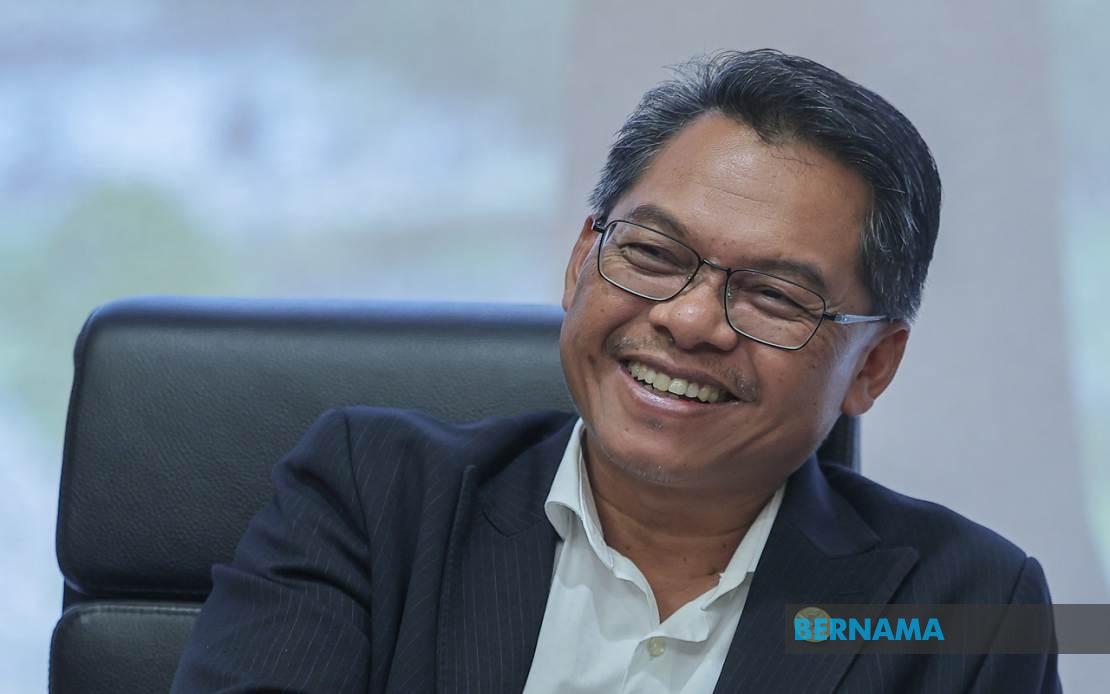
The Technical Committee overseeing the Malaysia Agreement 1963 (MA63) Implementation Action Council has issued a directive requiring all federal ministries and government agencies to treat the resolution of outstanding MA63-related matters as an urgent priority. The instruction emerged from a meeting held in Putrajaya on August 3, chaired by Minister in the Prime Minister's Department (Sabah and Sarawak) Datuk Mustapha Sakmud, with committee members signalling their commitment to accelerating the pace of implementation across all pending initiatives.
This latest move by the Technical Committee represents a significant administrative push to clear the backlog of unresolved MA63 issues before Prime Minister Datuk Seri Anwar Ibrahim convenes the higher-level MTPMA63 meeting scheduled for September. The committee's emphasis on speed and prioritisation suggests growing recognition that delays in implementation risk undermining confidence in the federal government's commitment to the agreement, particularly among stakeholders in Sabah and Sarawak who have long expressed frustrations over the pace of reform.
During the meeting, committee members conducted a comprehensive review of current implementation status across the portfolio of MA63 matters, examining progress on multiple fronts and identifying bottlenecks that require immediate attention. This assessment process is essential groundwork for the Prime Minister's upcoming oversight meeting, where senior political leaders from both federal and state levels will evaluate whether the government remains on track to deliver on its wider MA63 reform agenda.
Beyond the immediate drive for expedited implementation, the Technical Committee also engaged with several substantive strategic priorities that sit at the heart of the MA63 framework. Discussions covered the Borneonisation of the public service, a longstanding issue aimed at ensuring that citizens of Sabah and Sarawak gain proportionate representation and career advancement within the federal civil service. The committee also tackled efforts to narrow disparities in healthcare access and quality between East Malaysia and Peninsular Malaysia, alongside broader initiatives to modernise and strengthen educational systems across Sabah and Sarawak.
Chairman Mustapha Sakmud characterised the committee's collaborative approach as evidence of what can be achieved when consensus-building replaces adversarial posturing. His emphasis on trust and mutual respect signals an attempt to reframe MA63 implementation as a cooperative endeavour rather than a zero-sum negotiation, a messaging strategy that may prove important in sustaining political will across multiple layers of government. The framing also reflects awareness that implementation of MA63 requires sustained coordination and goodwill from numerous federal agencies, each with competing budgetary and administrative pressures.
Two concrete developments underscore the government's claimed momentum on MA63 delivery. Sabah's Special Grant under Article 112D of the Federal Constitution has been increased to RM1.5 billion for the current financial year, representing a tangible boost to the state's fiscal capacity and signalling federal recognition of Sabah's specific constitutional entitlements. Simultaneously, the successful transfer of Bintulu Port to the Sarawak government on July 21 represents one of the more visible landmarks in the implementation process, handing back to Sarawak control of a significant economic asset and symbol of state autonomy.
These achievements hold particular resonance for East Malaysian constituencies. The increased special grant allocation directly affects Sabah's ability to fund development projects, social services, and infrastructure in areas where federal provision has historically lagged. The port transfer, meanwhile, reflects a broader principle underpinning MA63—that Sarawak should exercise control over its natural resources and key economic infrastructure as enshrined in the original 1963 agreement. Both moves carry symbolic weight beyond their immediate economic impact, demonstrating that implementation is producing tangible outcomes rather than remaining confined to bureaucratic discussion.
However, observers note that significant gaps remain between the government's implementation rhetoric and on-the-ground reality. The committee's emphasis on accelerating resolution of outstanding issues implicitly acknowledges that progress to date has been insufficient to satisfy regional political expectations. The range of matters still under active discussion—from public service representation to healthcare equity to education standards—suggests the implementation agenda remains expansive and complex, touching on issues that will require sustained attention and resource allocation across multiple fiscal years.
The Technical Committee's role as a coordination mechanism reflects the structural complexity of MA63 implementation. The agreement touches multiple policy domains and involves coordination between federal departments, state governments, and sometimes international considerations such as cross-border environmental management. The committee serves as a clearing house for these disparate threads, attempting to ensure that progress in one area does not create bottlenecks or inconsistencies elsewhere.
The August 3 meeting and its directives must be viewed in the context of broader political dynamics affecting Sabah and Sarawak. Both states have experienced periods of political volatility and shifting allegiances at state level in recent years. Effective implementation of MA63 serves as a tangible demonstration to voters in both states that their concerns are being addressed and their constitutional entitlements respected. From this perspective, the Technical Committee's push for acceleration carries political significance extending well beyond administrative mechanics.
Looking ahead to Prime Minister Anwar Ibrahim's convening of the MTPMA63 in September, the Technical Committee's groundwork becomes crucial. The preliminary review of implementation status and clearance of administrative bottlenecks should enable the Prime Minister's meeting to focus on higher-order political and policy questions rather than becoming bogged down in procedural issues. This division of labour between the Technical Committee and the top-level council is intended to ensure both strategic direction and operational progress.
The government's emphasis on consensus and collaborative governance in relation to MA63 stands in some contrast to its approach to other federalism issues. The decision to highlight trust and mutual respect as foundations for implementation suggests recognition that the sustainability of MA63 reforms depends not merely on formal directives from the federal centre but on genuine buy-in from state governments and regional stakeholders. This approach, if sustained, could offer lessons applicable to other aspects of centre-state relations in Malaysia's federal system.

