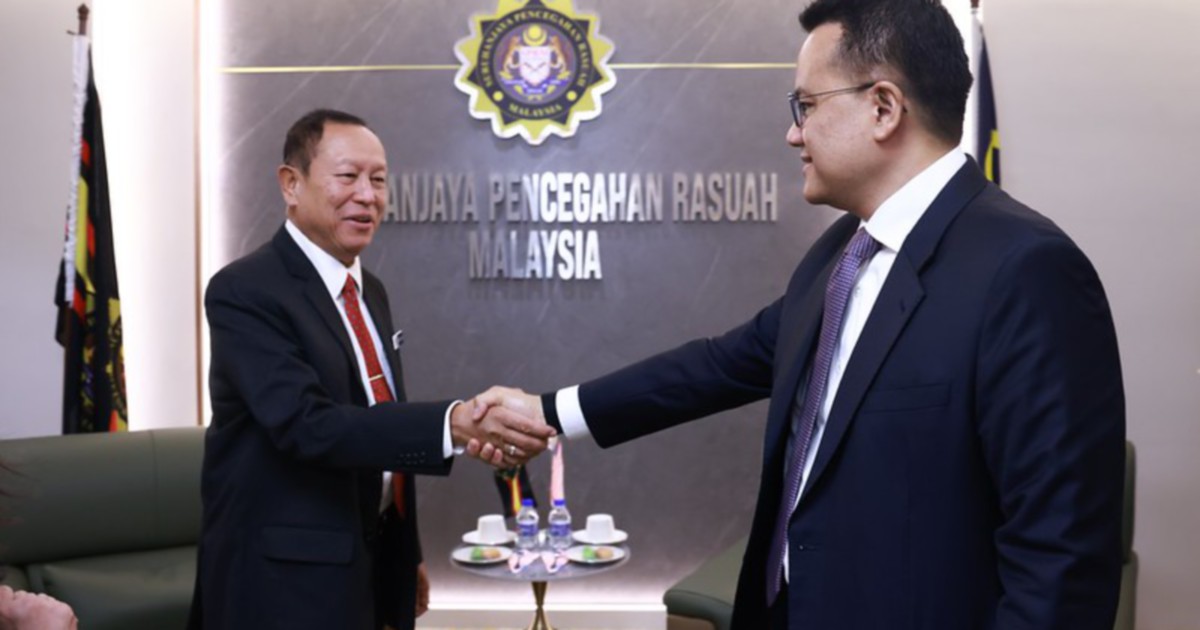
The Malaysian Anti-Corruption Commission and Permodalan Nasional Berhad have announced a strengthened collaborative framework aimed at reinforcing integrity standards across the management of Malaysia's national investment assets. The initiative, formalised in Putrajaya, represents a deliberate effort to embed anti-corruption principles throughout the institutional structures responsible for deploying billions of ringgit in domestic and international markets.
This partnership carries significant implications for how Malaysia's sovereign wealth is safeguarded and deployed. Permodalan Nasional Berhad, as the nation's largest fund manager with substantial holdings across Malaysian equities and regional investments, manages resources that directly affect retirement security for millions of contributors and shape the trajectory of the national economy. By aligning its governance frameworks with MACC's anti-corruption protocols, PNB signals a commitment to protecting these assets from the misappropriation and misconduct that have historically undermined public confidence in institutional management.
The collaboration seeks to establish clearer standards for decision-making within PNB's investment operations, encompassing procurement processes, contract negotiations, and the allocation of capital across portfolio companies. Enhanced transparency mechanisms will likely include regular integrity assessments and compliance audits, enabling both organisations to identify vulnerabilities in existing procedures and institute preventive controls. This proactive approach differs markedly from reactive investigations that emerge only after suspicious activities have already caused damage.
For Malaysian investors and EPF contributors, this partnership offers reassurance that their accumulated savings are being managed under heightened scrutiny. The institutional confidence generated by visible anti-corruption collaboration can influence investment behaviour and domestic capital participation. Regional investors and international fund managers also monitor governance standards at sovereign wealth entities, and strengthened integrity frameworks may enhance Malaysia's reputation in global capital markets.
The timing of this initiative reflects broader regional trends in governance reform. Peer sovereign funds across Southeast Asia have similarly elevated their integrity standards in response to international best practices and investor expectations. PNB's decision to deepen its engagement with MACC positions Malaysia competitively within this evolving landscape, demonstrating that the country takes institutional accountability seriously even as geopolitical and economic pressures create temptations for corner-cutting.
Implementing shared integrity standards between an anti-corruption agency and a major investment manager requires substantial operational coordination. Both organisations will need to establish joint training programmes for relevant staff, develop common definitions of high-risk activities, and create communication channels for addressing emerging concerns without compromising investigative independence. The framework must balance transparency with the confidentiality essential for competitive investment decisions.
The partnership also addresses inherent conflicts that can emerge when large pools of capital intersect with political influence. By embedding MACC principles into PNB's institutional culture, the arrangement creates additional procedural barriers against attempts to redirect investment decisions for personal or political benefit. Independent oversight mechanisms ensure that investment merit rather than patronage determines capital allocation, protecting long-term returns.
For the broader Malaysian public sector, this collaboration sets a precedent for how commercial entities can partner with anti-corruption authorities without sacrificing operational autonomy. Other statutory bodies and government-linked companies may adopt similar frameworks, progressively elevating integrity standards across the institutions that hold and deploy public resources.
The initiative extends beyond procedural compliance to encompass ethical leadership and institutional culture. When senior management across both organisations visibly commit to integrity principles, this messaging permeates organisational hierarchies and shapes how employees approach ethical dilemmas. Staff at all levels understand that cutting corners or accommodating improper requests carries reputational and professional consequences.
International investors and development finance institutions increasingly incorporate governance assessments into their decisions regarding Malaysian projects and partnerships. Enhanced collaboration between MACC and major fund managers signals that Malaysia takes these concerns seriously, potentially influencing capital flows and financing costs for significant infrastructure and commercial initiatives.
The partnership framework also establishes precedent for how Malaysia can leverage its institutional strengths to address corruption vulnerabilities. Rather than viewing anti-corruption efforts as bureaucratic burdens, this arrangement treats integrity as a foundation for institutional credibility and economic competitiveness. This philosophical shift, replicated across other organisations, could materially strengthen Malaysia's standing in global governance indices.
Moving forward, the effectiveness of this collaboration will depend on sustained commitment from senior leadership in both organisations and realistic evaluation of whether enhanced procedures actually prevent misconduct or merely create additional documentation. Regular independent assessments of the partnership's impact will be essential for maintaining stakeholder confidence and ensuring that integrity commitments translate into measurable improvements in investment governance.

