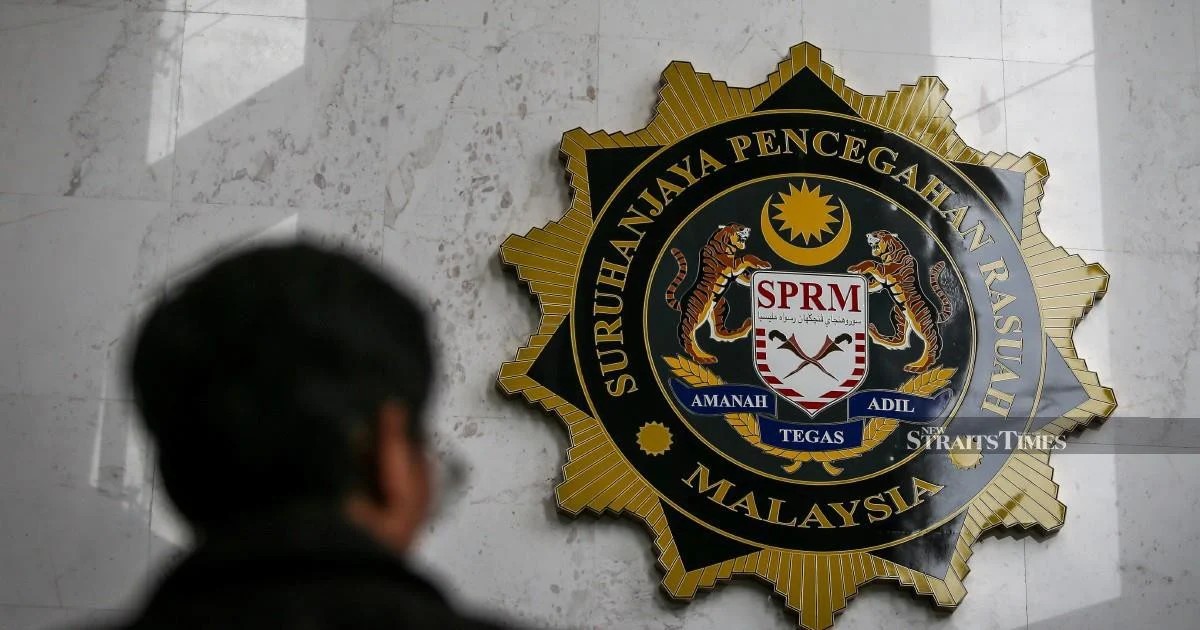
The Malaysian Anti-Corruption Commission is intensifying its oversight of electoral integrity by establishing a network of five operational centres throughout Johor for the forthcoming 16th state election, with these facilities operating continuously around the clock to address public concerns regarding alleged corruption and misconduct.
The decision to deploy these dedicated anti-graft units reflects growing institutional awareness of how electoral periods create heightened vulnerability to malpractice. Elections fundamentally alter power dynamics and create opportunities for officials to leverage state resources, making sustained monitoring essential. By maintaining constant staffing, the MACC signals its commitment to intervening swiftly when violations occur, rather than investigating retroactively after damage to democratic institutions has already accumulated.
Johor, as Malaysia's second-largest state and a significant economic powerhouse with substantial state resources, presents particular challenges for corruption prevention. The state's size and complexity mean that election-related misconduct could take multiple forms across different districts and constituencies. Establishing multiple operation rooms rather than a single centralised facility allows the MACC to respond more effectively to locally reported concerns and gather intelligence from grassroots observers who often detect irregularities before national-level authorities.
The public-facing nature of these operation rooms represents a strategic shift in enforcement philosophy. Rather than relying exclusively on investigative bodies to uncover violations, the MACC is explicitly inviting citizens to become part of the accountability mechanism. This approach distributes the burden of oversight across society while simultaneously building public confidence that authorities take electoral integrity seriously. Citizens who witness vote-buying, abuse of government machinery, or intimidation now have immediate channels to report concerns rather than facing bureaucratic delays.
Historically, Malaysian elections have occasionally been marred by allegations ranging from improper use of government vehicles and resources to financial inducements distributed to influence voting behaviour. The 16th Johor state election occurs within a broader context where Malaysians increasingly expect transparent governance and swift action against suspected wrongdoing. By demonstrating visible enforcement infrastructure, the MACC manages public expectations while creating a deterrent effect for potential offenders who know their actions face heightened scrutiny.
The timing of this initiative matters significantly for regional politics. Johor elections typically attract national attention and influence perceptions of electoral credibility across Malaysia. A well-managed election, demonstrably free from serious corruption, strengthens democratic institutions and public faith in electoral outcomes. Conversely, inadequate monitoring or selective enforcement would undermine confidence in both the electoral process and the integrity of anti-corruption agencies themselves.
Operational coordination will determine the effectiveness of these five centres. MACC will need to ensure that reports flow efficiently through the network, that trained personnel staff the facilities consistently, and that investigations responding to complaints proceed without delay or political interference. The commission's reputation depends on demonstrating that tip-offs generate genuine follow-up action rather than merely creating an appearance of vigilance.
From a Southeast Asian perspective, Malaysia's approach offers a model that other regional democracies increasingly study. Thailand, Indonesia, and the Philippines have all grappled with electoral corruption, yet few have deployed such visible, accessible reporting mechanisms during elections themselves. The MACC's strategy of making anti-corruption infrastructure visible and continuously accessible could influence how neighbouring countries design their own electoral oversight systems.
For ordinary Johoreans, these operation rooms represent tangible acknowledgment that their concerns about electoral fairness matter. Whether a voter worries about government staff campaigning during working hours, questionable funding flows to particular candidates, or intimidation tactics, now they possess a specific venue and phone number to lodge formal complaints. This democratisation of the reporting process shifts power dynamics slightly away from authorities and toward the electorate.
The five-centre deployment also suggests that the MACC has allocated substantial resources to Johor specifically, indicating institutional prioritisation of this particular election. Whether this reflects heightened risk assessment, political significance, or simply standard practice for major state polls remains worth monitoring. The resource commitment does demonstrate that the MACC views electoral monitoring as central to its mandate rather than peripheral.
Successful execution of this initiative requires public awareness campaigns informing voters of the operation rooms' locations and contact details. Many eligible voters may remain unaware such facilities exist unless comprehensive outreach occurs. State-level coordination with election officials to publicise these channels would amplify their effectiveness and signal unified commitment to clean elections from both the MACC and election management bodies.
The broader implication extends beyond Johor itself. If these operation rooms successfully generate actionable intelligence, document violations, and support prosecutions that result in meaningful consequences, the model becomes a template for future Malaysian elections. Success builds institutional capacity and creates precedent; failure or perceived tokenism would damage public trust precisely when democratic institutions need strengthening.
Ultimately, these five centres represent institutional responsiveness to longstanding concerns about electoral integrity. Their presence during the 16th Johor state election will shape how citizens experience this democratic exercise and what precedent emerges for future contests across Malaysia.

