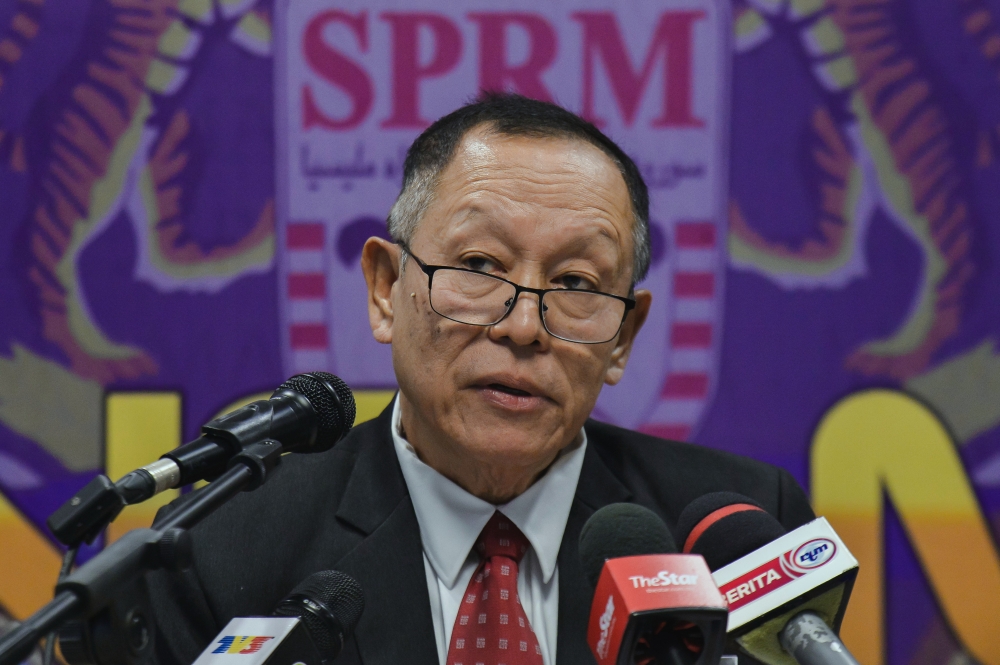
In a significant move targeting corporate-level misconduct, the Malaysian Anti-Corruption Commission has detained a former chief executive and chief financial officer for questioning regarding their roles in a RM370 million plantation acquisition. The pair's detention marks the latest in a series of high-profile enforcement actions undertaken by the anti-graft agency as it expands its oversight of major commercial transactions within Malaysia's agribusiness landscape.
The investigation centres on allegations that the two senior officials abused their positions of authority when facilitating the substantial land deal. Such cases highlight enduring concerns about transparency and accountability within the country's corporate infrastructure, particularly when executing transactions of this scale. The specifics of how the alleged misconduct manifested—whether through improper approvals, undisclosed conflicts of interest, or circumvented procedural safeguards—remain central to the commission's inquiries.
For Malaysian readers, the detention underscores a broader institutional commitment to prosecuting white-collar crime, though enforcement patterns continue to generate debate about consistency and selectivity. The agricultural sector, which commands considerable economic importance to Malaysia's domestic economy and export revenues, has occasionally attracted less regulatory attention than financial services or public procurement. This case signals a potential recalibration of enforcement priorities toward corporate transactions in the primary industries.
The RM370 million figure represents a substantial commitment of capital, suggesting the transaction possessed material significance for the acquiring entity and potentially for broader supply chains or stakeholder groups. Transactions of this magnitude typically involve multiple approval layers, board oversight, and external advisors, yet the allegations imply that formal safeguards may have proven inadequate or were themselves compromised. The commission's focus on executive-level responsibility reflects a growing international and domestic emphasis on personal liability for senior management in cases of institutional failure.
Regional context matters considerably here. Southeast Asian economies have increasingly faced pressure from international business partners and development institutions to demonstrate robust anti-corruption mechanisms. Malaysia, as a regional financial and trade hub, faces particular scrutiny regarding corporate governance standards. High-profile executive detentions can both reassure international investors that misconduct carries genuine consequences and prompt legitimate concerns about political targeting or selective enforcement depending on implementation patterns.
The detention process itself typically involves initial questioning periods followed by potential charges or further investigation. The commission's decision to proceed with detention rather than summons suggests investigators believe they have gathered sufficient preliminary evidence to warrant more intensive questioning. The outcomes—whether charges are filed, cases are prosecuted, or matters are resolved through alternative means—will substantially influence perceptions of the enforcement system's effectiveness and impartiality.
For the broader business community, particularly executives in large corporations managing significant assets or undertaking major transactions, such cases reinforce the operational importance of robust internal controls, transparent decision-making processes, and comprehensive documentation. Directors and senior managers increasingly recognise that personal exposure to prosecution extends beyond obvious theft or bribery to encompass more technical violations related to process, disclosure, and conflicted decision-making. This expanding conception of executive liability has prompted Malaysian companies to invest more substantially in compliance infrastructure and governance frameworks.
The plantation sector specifically merits attention given its historical prominence in Malaysian economic development and ongoing importance to rural livelihoods and export earnings. Land transactions within the sector frequently involve government-linked entities, bumiputera considerations, and environmental assessments alongside commercial analysis. When allegations arise concerning executive conduct in such deals, multiple layers of public interest become engaged—not merely commercial integrity but also questions of resource stewardship and equitable stakeholder treatment.
The commission's investigative mandate extends across the full spectrum of potential misconduct, from straightforward bribery to more elaborate schemes involving document falsification, related-party transactions, or deliberate circumvention of approval processes. The specific character of the alleged abuse—whether structural or incidental to the transaction—will determine both the legal charges pursued and the institutional reforms recommended subsequently. Previous cases have prompted companies to implement procedural enhancements precisely because investigations revealed gaps that executive misconduct had exploited.
International experience demonstrates that credible anti-corruption enforcement requires consistent follow-through from detention through prosecution and sentencing. Malaysian stakeholders, including business organisations, civil society groups, and international observers, will monitor how thoroughly the commission pursues this matter and whether outcomes meaningfully deter similar conduct. The political economy of enforcement—including questions about whether the targeted individuals possessed particular vulnerabilities or adversarial relationships that explained their selection—inevitably shapes public reception of such actions.
Longer-term implications deserve consideration as well. Should the investigation substantiate allegations and result in convictions, Malaysian corporate boards may experience heightened caution regarding transaction approvals, particularly for large-value deals where procedural complexity creates potential for official misconduct. Conversely, if enforcement proves inconsistent or selective, business confidence in the regulatory environment may suffer diminished credibility. The commission's handling of this matter will contribute measurably to broader assessments of institutional integrity within Malaysia's anti-corruption apparatus.

