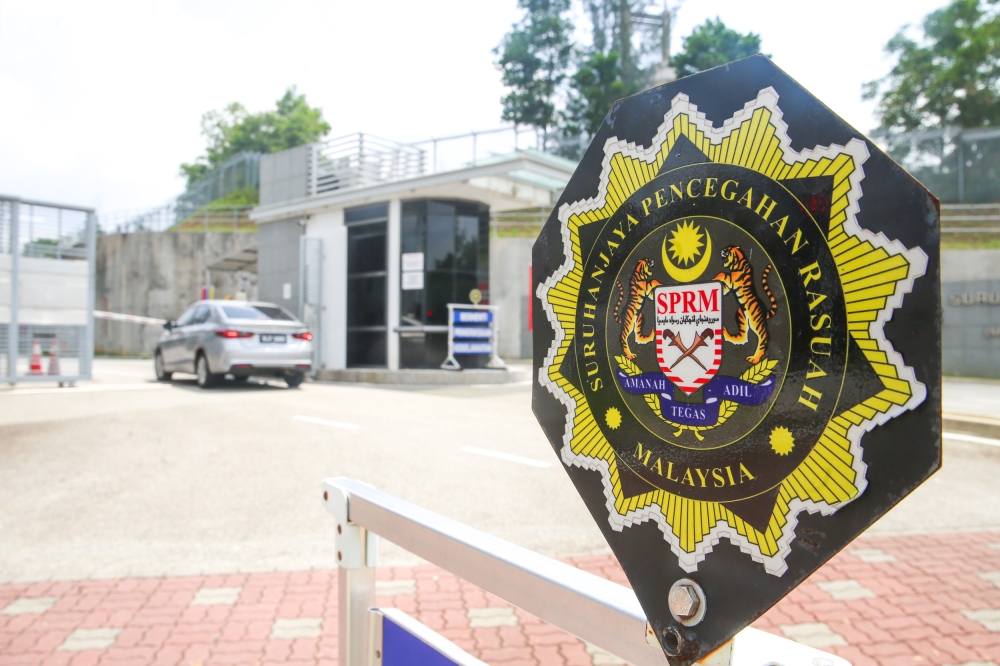
The Malaysian Anti-Corruption Commission has obtained a court order for the five-day remand of three individuals suspected of misappropriating RM450,000 in penalty payments, marking a significant escalation in an ongoing investigation into alleged financial irregularities. The detention comes as MACC intensifies efforts to uncover the circumstances surrounding the alleged diversion of funds that were ostensibly collected as penalties, a matter that underscores persistent concerns about financial safeguards within Malaysia's enforcement and administrative systems.
The three suspects are now in MACC custody pending investigation into their alleged involvement in the misappropriation scheme. This development suggests that investigators have accumulated sufficient preliminary evidence to justify extended custodial questioning, a procedural step typically reserved for cases where authorities believe further examination may yield additional admissions or lead to the recovery of funds. The remand order, granted in Putrajaya, reflects judicial assessment that continued detention serves the investigative process and protects the integrity of the inquiry.
Penalty payment mechanisms exist across multiple government agencies and statutory bodies in Malaysia, serving as revenue streams for enforcement activities and administrative functions. The alleged misuse of RM450,000 in such payments raises troubling questions about internal control mechanisms and oversight procedures designed to safeguard public money. Should the allegations prove substantiated through investigation, they would represent a breach not only of individual trust but of the institutional frameworks meant to protect government finances from unauthorised diversion.
The MACC's handling of this case reflects its mandated role as the primary investigative authority for corruption and financial misconduct in Malaysia. The commission's ability to secure remand orders demonstrates judicial confidence in the commission's preliminary case assessment, though remand alone does not constitute proof of wrongdoing. The investigation will require MACC officers to trace the flow of funds, establish accountability chains, and determine whether the alleged misappropriation involved collusion among multiple parties or resulted from systemic vulnerabilities.
Penalty collection systems, whether administered through traffic enforcement, licensing violations, or regulatory breaches, typically generate substantial sums across Malaysia's administrative apparatus. The alleged misuse of RM450,000 suggests a pattern rather than isolated irregularity, given the specificity of the amount and the involvement of multiple suspects. Understanding how such funds were diverted—whether through falsified documentation, improper allocation, or unauthorised transfer to private accounts—will prove crucial to determining culpability levels among the detained individuals.
The case carries implications for Malaysia's broader anti-corruption landscape and public confidence in financial administration. Recent years have witnessed intensified scrutiny of government spending and public fund management, with the MACC investigating numerous high-profile cases involving elected officials and civil servants. This investigation into penalty payment misappropriation extends that scrutiny into administrative mechanisms that directly affect ordinary Malaysians, many of whom pay penalties through routine interactions with enforcement authorities.
For Malaysian citizens and businesses, the investigation underscores the importance of transparent records when paying penalties or fees to government agencies. Those who have made such payments during the period under investigation may reasonably wonder whether their funds reached intended destinations or were diverted. Establishing clear payment trails and improved accountability mechanisms could prevent similar incidents and enhance public trust in administrative processes that affect daily life across the country.
The involvement of three suspects suggests a degree of coordination or shared knowledge that likely required some organisational structure or at minimum tacit understanding among participants. Investigators will need to establish hierarchies of responsibility, determine who initiated the scheme, and identify whether supervisory or oversight personnel failed in their duties. Such determinations will be essential to ensuring appropriate proportionality in eventual charges and sentencing considerations.
Regional perspectives on Malaysia's anti-corruption efforts often focus on high-level political cases, but investigations into administrative-level financial misappropriation demonstrate the MACC's commitment to addressing corruption across institutional levels. For Southeast Asian observers monitoring governance standards, the manner in which Malaysian authorities handle this case—including investigation thoroughness, prosecution vigour, and eventual accountability—sends signals about institutional integrity within the region's second-largest economy.
The five-day remand period provides MACC interrogators a defined window to conduct interviews, examine evidence, and potentially pursue leads toward identifying other involved parties. Depending on investigation progress, authorities may seek extended remand periods, file charges, or release suspects pending further inquiry. The case's trajectory over coming weeks will clarify both the scope of alleged misconduct and the effectiveness of mechanisms designed to detect and prevent such diversion of public resources.
Looking ahead, outcomes of this investigation may prompt administrative reviews within agencies managing penalty collection systems. Implementation of enhanced segregation of duties, improved audit trails, and strengthened reconciliation procedures could reduce future vulnerabilities. Such reforms, if pursued systematically across government, would represent productive outcomes extending beyond prosecution of individual suspects to structural improvements protecting public funds from unauthorised use.
The MACC's pursuit of this case reflects broader Malaysian commitment to addressing financial misconduct, though sustained public interest will depend partly on transparent communication about investigation progress and eventual accountability. For Malaysian taxpayers and citizens interacting with enforcement agencies, the investigation offers cautionary reassurance that instances of alleged misappropriation do not escape official scrutiny, provided investigative mechanisms function effectively and institutional pressures do not compromise inquiry integrity.

