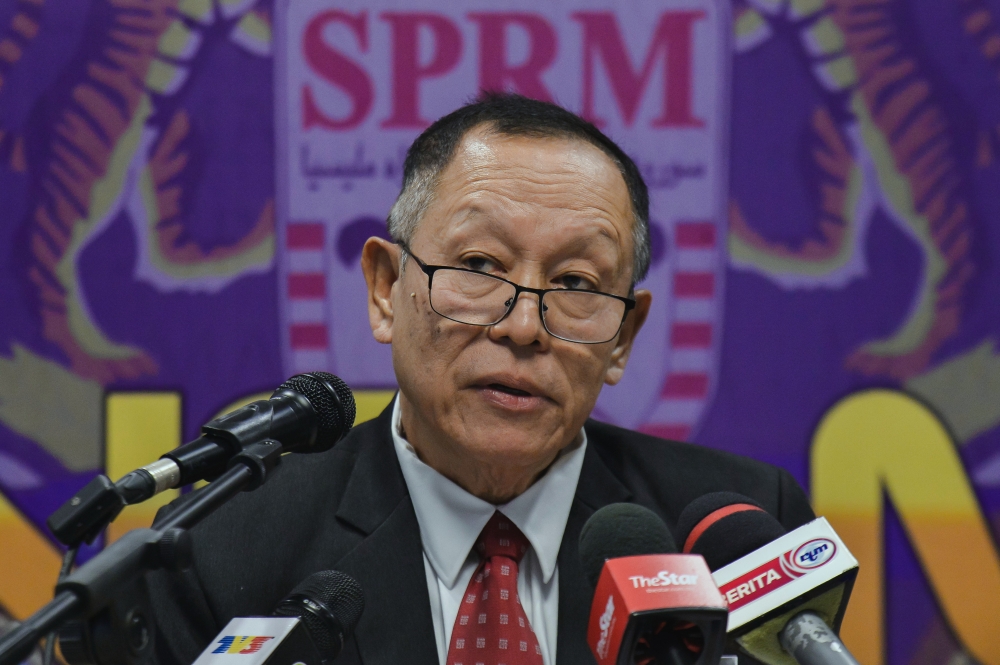
The Malaysian Anti-Corruption Commission's investigation into Tabung Haji has evolved into one of the country's most complex financial probes, prompting officials to consider international forensic assistance as the inquiry deepens. Having already called in 115 witnesses and detained seven suspects, the MACC now stands at a pivotal point where conventional investigative methods may require supplementation from external specialist expertise. The decision to potentially engage foreign forensic investigators represents a significant escalation in the agency's efforts to unravel the complexity surrounding Malaysia's Islamic pilgrimage fund.
The scale of the Tabung Haji investigation underscores the magnitude of the suspected irregularities within an institution that manages the savings of hundreds of thousands of Malaysian pilgrims. The sheer number of witness statements collected indicates that multiple layers of institutional activity are under scrutiny, suggesting potential systemic issues rather than isolated misconduct. Each witness interview adds data points to a complicated picture that investigators must synthesize to construct a coherent narrative of alleged wrongdoing. The seven detentions made thus far signal that the MACC has identified specific individuals suspected of playing key roles in the alleged misconduct, though the full scope of culpability across the organization remains to be determined.
Bringing in foreign forensic specialists would represent a practical acknowledgment that the investigation has reached a level of technical complexity requiring expertise beyond what may be readily available domestically. International forensic investigators, particularly those with experience in large-scale financial fraud cases, bring methodologies and technological capabilities honed across multiple jurisdictions and sectors. Such engagement is not uncommon in transnational investigations or cases involving sophisticated financial mechanisms, and Malaysia has precedent for utilizing external expertise in high-stakes probes. The decision would also signal to the Malaysian public and international observers that the MACC is committed to pursuing the matter comprehensively, regardless of the resources required.
The Tabung Haji institution itself holds considerable significance within Malaysian society, serving as a repository of trust and savings for Muslim citizens planning to undertake the Hajj pilgrimage. Any substantial irregularities within its operations carry implications that extend beyond financial fraud to encompass breaches of public confidence in religious and government institutions. The fund's pilgrims represent a cross-section of Malaysian society, from urban professionals to rural savers, making the stakes inherently personal for many citizens. Consequently, the manner in which this investigation is conducted and resolved will likely influence public perception of institutional accountability across both government and faith-based organizations.
The MACC's consideration of foreign forensic resources also reflects broader trends in how sophisticated financial crimes are being addressed globally. Modern fraudulent schemes often exploit technological systems, layered financial structures, and international networks that require specialized knowledge to penetrate. Malaysian investigators have demonstrated capability in conventional anti-corruption work, but the technical demands of forensic accounting and digital trail analysis in cases of this magnitude sometimes necessitate access to specialists with particular credentials or experience. The potential recruitment of external expertise should not be viewed as a reflection on the MACC's competence, but rather as a pragmatic response to specialized technical requirements.
The investigation's progression through witness interviews and detentions follows a logical investigative sequence, where initial information gathering precedes the identification and apprehension of suspects. However, the transition from this phase to substantive case building requires different analytical capabilities. Forensic specialists excel at reconstructing financial flows, identifying patterns of irregular transactions, and establishing causal connections between actions and outcomes. This analytical dimension becomes particularly important when cases move toward prosecution, as courts require evidence that clearly demonstrates the mechanism and intent behind alleged misconduct.
The involvement of seven suspects in detention suggests that the MACC has moved beyond preliminary investigation into the phase where specific individuals are being questioned regarding their alleged roles. Detentions under Malaysian law are temporary measures pending formal charges or release, creating time pressure for investigators to consolidate evidence and establish sufficient grounds for prosecution. The introduction of foreign forensic expertise during this window could significantly accelerate the building of watertight cases against detained suspects, potentially determining whether charges proceed or whether further investigation becomes necessary.
From a Southeast Asian perspective, Malaysia's approach to handling complex financial investigations carries implications for regional standards of institutional accountability. How the Tabung Haji case unfolds will likely inform practices across other ASEAN nations grappling with similar challenges around public trust in financial institutions. The decision to engage international expertise could set a regional precedent for transparency and commitment to thorough investigation, strengthening confidence in Malaysia's regulatory frameworks at a time when such confidence matters considerably for the country's economic standing.
The technical dimensions of modern financial crime have outpaced the development of domestic forensic capabilities in many countries, creating a legitimate need for knowledge transfer and specialist intervention. Malaysia's willingness to supplement domestic resources with international expertise reflects maturity in acknowledging limitations and seeking optimal investigative outcomes. Whether the MACC ultimately proceeds with engaging foreign forensic investigators will depend on assessments of investigative progress to date and the specific technical gaps that investigators have identified. Regardless of that decision, the investigation's trajectory indicates that the Tabung Haji matter will remain a high-stakes institutional priority demanding sustained resources and uncompromising standards of evidence gathering.

