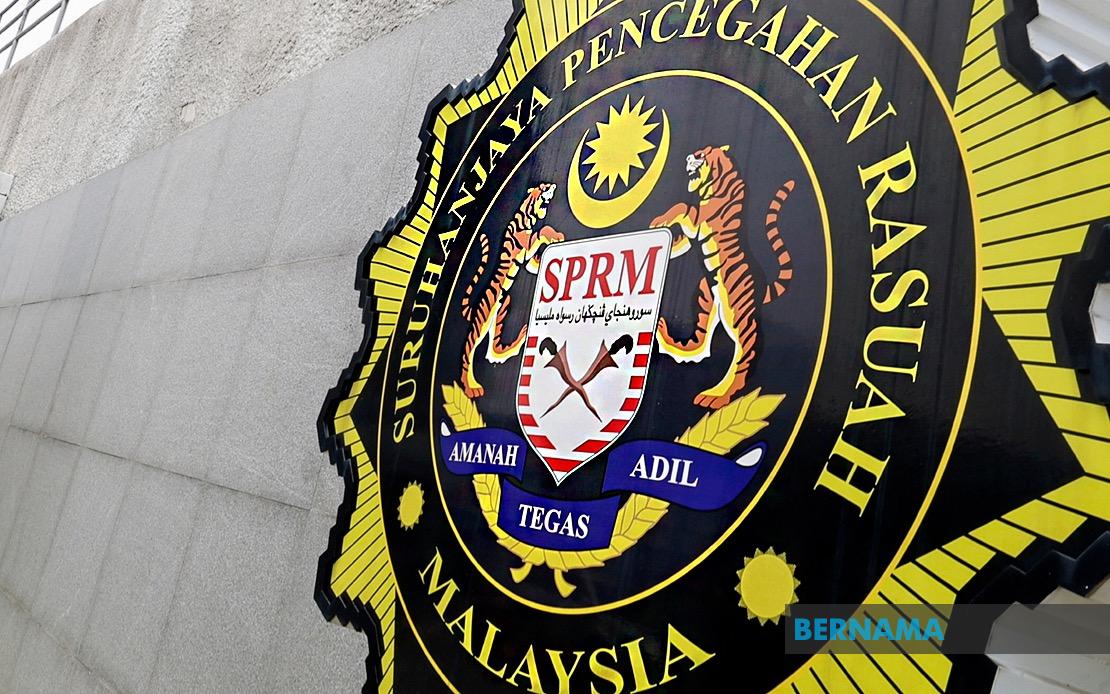
The Malaysian Anti-Corruption Commission has launched a public appeal to locate a 41-year-old man required to appear at a forfeiture hearing scheduled for August 20 at the Kuala Lumpur Criminal Sessions Court. Despite multiple attempts to contact Mohamad Faizul Kamaruddin at his registered residence in Penang, the agency has been unable to establish his whereabouts, prompting the formal public notice issued from the commission's Putrajaya headquarters on July 18.
The move represents an escalation in the commission's efforts to proceed with civil forfeiture proceedings under the provisions of the Malaysian Anti-Corruption Commission Act 2009. The agency's inability to serve Mohamad Faizul with the necessary affidavit documentation has created a procedural obstacle that typically must be resolved before court hearings can proceed as scheduled. Forfeiture cases form a critical component of Malaysia's anti-corruption enforcement framework, allowing authorities to recover assets believed to have been obtained through corrupt practices without necessarily securing criminal convictions.
The last confirmed address for Mohamad Faizul is listed as Block B-2-6, Taman Tun Sardon Flats, in the Gelugor neighbourhood of Penang. The MACC's inability to locate him despite investigations at this location suggests he may have relocated or otherwise made himself unavailable to authorities. Such disappearances during corruption investigations are not uncommon and often complicate enforcement efforts, particularly when civil proceedings depend on the respondent's presence or formal acknowledgement of documents.
The commission has established direct contact channels for members of the public who may possess relevant information. Ahmad Nasharuddin Ab Razak, the investigating officer managing the case, can be reached at the mobile number 019-345 4565 or through the MACC Pahang office at 09-571 6000. Additionally, the officer's email address [email protected] has been made available for those who prefer written communication. This multi-channel approach reflects standard anti-corruption practice in seeking public cooperation for locating individuals involved in ongoing investigations.
Forfeiture proceedings under Malaysian law represent a powerful tool distinct from criminal prosecution, as they focus on recovering assets rather than securing convictions or imprisonment. The mechanism allows the government to pursue civil remedies against suspected proceeds of corruption even when criminal prosecution faces obstacles. The August 20 hearing date indicates that preliminary groundwork has been completed, and the MACC is ready to proceed with substantive arguments regarding the assets in question, provided the respondent can be located and properly served.
The public nature of this appeal underscores the seriousness with which Malaysian authorities now treat corruption cases. Where individuals cannot be readily located through normal investigative channels, transparency about the search effort serves multiple purposes: it demonstrates procedural diligence, invites community assistance, and creates a public record of attempts to ensure fair process. For readers following Malaysia's ongoing anti-corruption efforts, such notices reflect the evolving sophistication of the enforcement framework developed over the past decade.
The timing of the announcement, roughly a month before the scheduled hearing, provides a reasonable window for locating Mohamad Faizul. Courts typically require evidence of reasonable attempts to serve defendants or respondents, and the MACC's public appeal strengthens its documentary record on this point. Should Mohamad Faizul remain uncontactable by the August 20 date, the court may proceed with the case in his absence, though such proceedings often face complications and potential appeals based on procedural fairness grounds.
For observers tracking Malaysia's anti-corruption performance, cases like this highlight both the commission's persistence in pursuing asset recovery and the practical challenges it faces. The forfeiture mechanism has become an increasingly important component of Malaysia's response to corruption, particularly given its ability to function independently of criminal prosecution outcomes. The case also reflects broader patterns in Southeast Asian anti-corruption work, where asset tracing and civil recovery have assumed greater prominence alongside traditional criminal enforcement.
The public's role in such investigations cannot be overstated. Information from individuals who may have encountered Mohamad Faizul or become aware of his movements could prove decisive in locating him before the scheduled hearing. The specific geographic markers provided—the Gelugor address, the identifying details—offer starting points for anyone with relevant knowledge. For residents of Penang and the broader region, the notice serves as a reminder that corruption investigations often require community vigilance and cooperation with authorities.

