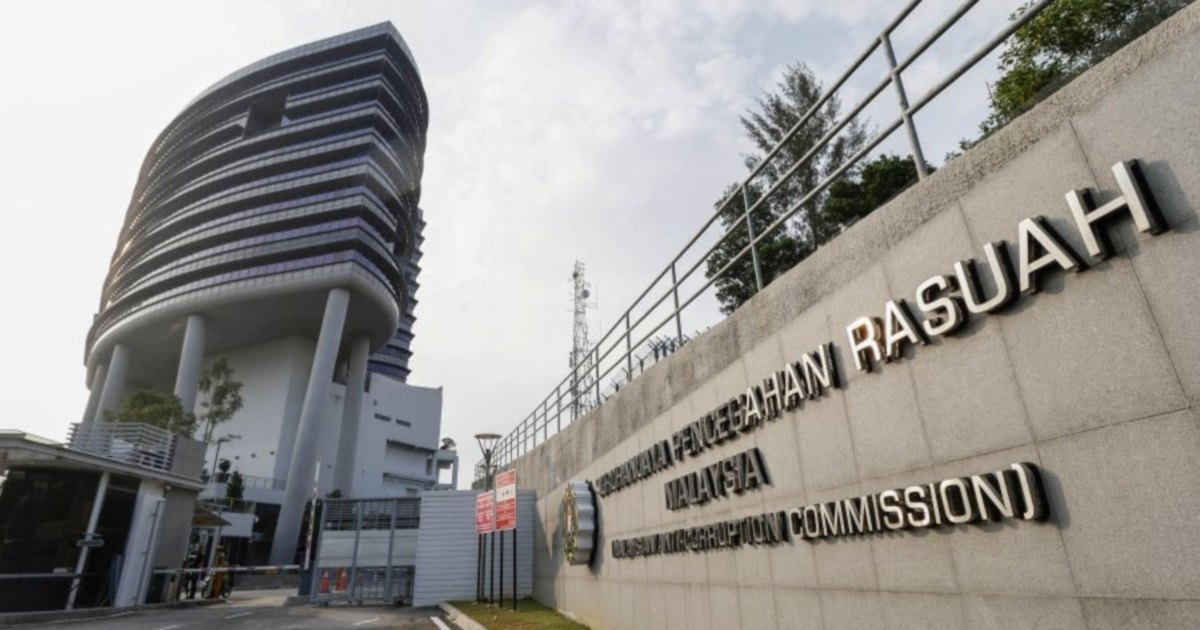
The Malaysian Anti-Corruption Commission has intensified scrutiny of the Retirement Fund Inc following mounting concerns over a RM200 million investment shortfall linked to eFishery, an Indonesian aquaculture technology startup. MACC officials conducted an on-site inspection at KWAP's headquarters in Kuala Lumpur this week, signalling a formal investigation into how the fund deployed pensioners' money into the Southeast Asian agri-tech venture. The move represents a critical juncture in Malaysian retirement security, as KWAP manages contributions that form the financial backbone for thousands of civil servants and public sector workers across the country.
The scale of the reported loss has triggered alarm bells within Malaysia's regulatory framework and among retirement security advocates. A RM200 million erosion from KWAP's portfolio underscores the significant exposure that conservative pension institutions have taken on in emerging technology sectors, particularly those operating across borders where oversight becomes more complex. For Malaysian retirees and those nearing retirement, the incident raises uncomfortable questions about fund governance, investment due diligence, and whether sufficient safeguards exist to protect accumulated contributions against high-risk ventures. KWAP's mandate centres on providing stable, predictable retirement income streams, making aggressive technology investments increasingly difficult to reconcile with fiduciary principles that should govern pension management.
eFishery's business model, centred on digital solutions for Indonesian fish farming, initially attracted institutional interest across the region as part of broader Southeast Asian enthusiasm for agri-tech innovation. The company positioned itself as a transformative player in aquaculture, offering farmers access to financing, feed, and market linkages through technology platforms. Yet the investment outcome has clearly diverged sharply from projections, leaving KWAP to account for substantial write-downs. The incident illuminates a broader pattern across Southeast Asia where pension funds and other institutional investors have pursued exposure to emerging technology companies, sometimes outpacing their capacity to conduct thorough risk assessments in unfamiliar sectors and jurisdictions.
The MACC investigation will likely examine several critical dimensions of this investment decision. Investigators will scrutinise whether appropriate governance structures existed within KWAP to evaluate investment proposals of this magnitude, whether independent expert assessments were commissioned before committing funds, and whether conflicts of interest or improper influence shaped the decision-making process. The nature of MACC's involvement suggests suspicions extend beyond mere investment misjudgement into territory concerning potential malfeasance or breach of fiduciary duty. Given KWAP's position managing public sector retirement assets, any irregularities in its investment processes carry implications far beyond a single failed venture.
This development arrives at a time when Malaysian pension funds face mounting pressure to generate returns amid declining interest rates and modest economic growth. The pressure to seek higher yields can inadvertently push conservative institutions toward riskier asset classes and less transparent investment vehicles. KWAP's investment in eFishery may reflect legitimate attempts to diversify away from traditional fixed-income securities, yet the execution and oversight mechanisms appear to have faltered. The investigation will establish whether institutional controls kept pace with investment ambitions, or whether procedural shortcuts created vulnerability to misinvestment.
For Malaysian workers within KWAP's membership, the episode carries immediate practical concerns. While a single large loss, however significant in absolute terms, should not destabilise a diversified fund with long time horizons, the reputational damage to KWAP's management and the potential for unforeseen additional losses compound anxieties. Contributing members have limited ability to influence investment strategy yet bear the ultimate consequences when decisions misfire. The MACC inquiry therefore serves a crucial accountability function, determining whether decision-makers acted within their authority, exercised reasonable diligence, and prioritised member interests above other considerations.
Indonesian regulators and financial authorities may also become involved as the investigation unfolds, particularly if the inquiry reveals information asymmetries or misrepresentation by eFishery regarding its financial position, technological viability, or market traction. Cross-border investment disputes involving Southeast Asian institutions typically demand coordination between jurisdictions, adding complexity to any remedial actions. Institutional investors across the region will watch closely to understand how Malaysian authorities respond to this breach of trust and whether enforcement actions create precedents affecting future institutional investment behaviour.
The timing of the MACC investigation also reflects broader governance trends across Southeast Asia, where scrutiny of state-linked investment decisions has intensified in recent years. Malaysian authorities have increasingly focused on ensuring that government-affiliated institutions maintain professional investment practices and resist political or commercial pressure that might compromise fiduciary duty. KWAP, as a significant institutional investor managing mandatory contributions, occupies a position requiring heightened accountability standards. The investigation will presumably establish whether the eFishery investment met those standards or represented a departure from prudent practice.
Looking forward, the investigation's findings will likely reshape KWAP's investment governance framework and influence how similar institutions across Malaysia approach alternative asset classes. Pension fund boards may implement stricter criteria for evaluating emerging market technology investments, require enhanced due diligence protocols, and impose exposure limits on high-risk ventures. Insurance and regulatory oversight mechanisms governing pension fund investments may also face revision if the inquiry uncovers systemic weaknesses in current frameworks. The RM200 million loss, though substantial, may ultimately prove less costly than failures in governance and oversight that could have allowed multiple similar losses to accumulate undetected.

