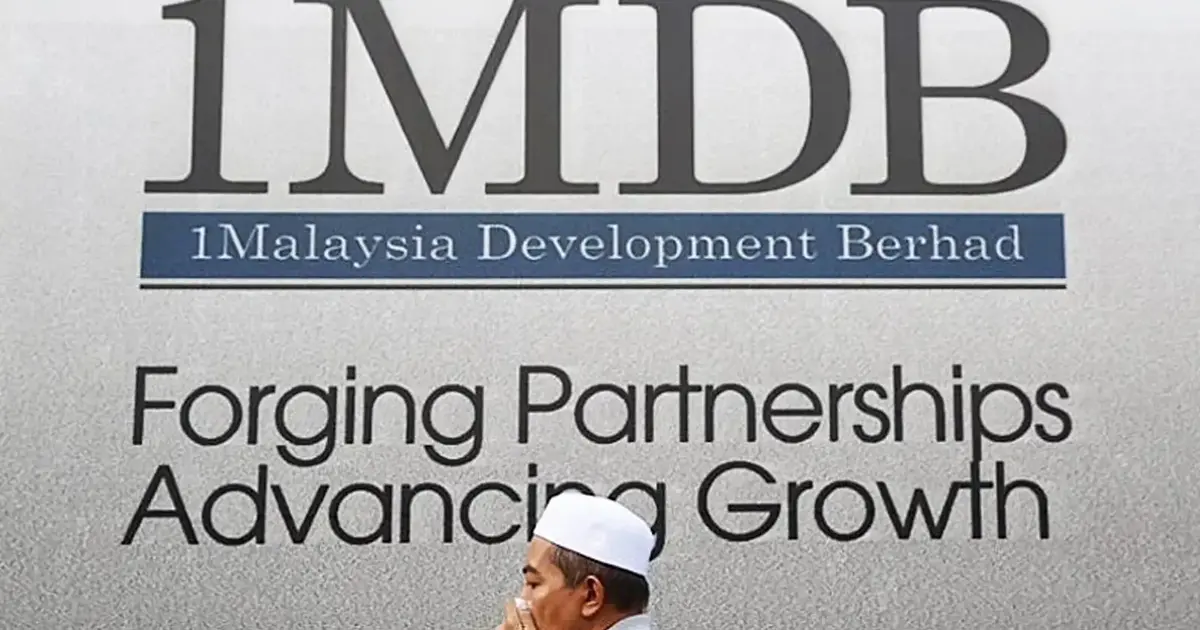
Malaysia's anti-corruption watchdog has initiated a formal investigation into a substantial collection of overseas properties valued at approximately RM59 million that are suspected of having connections to the 1MDB fund, according to an announcement by the agency's leadership. The Malaysian Anti-Corruption Commission's chief, Abd Halim Aman, confirmed that the probe encompasses multiple potential criminal violations including corruption, money laundering, and asset recovery matters stemming from recent allegations brought to the agency's attention.
The investigation represents a continuation of the Malaysian authorities' long-running efforts to recover assets and hold accountable those involved in the 1MDB scandal, one of the world's largest financial frauds that has spanned multiple countries and resulted in numerous prosecutions and convictions. The 1MDB affair, which unfolded over several years and involved the misappropriation of billions of dollars from the sovereign wealth fund, has prompted ongoing global scrutiny and domestic investigations across multiple jurisdictions. This latest development indicates that investigators have identified additional property holdings abroad that warrant examination as part of the comprehensive effort to trace and recover misappropriated funds.
The decision to launch this formal investigation reflects the increasing focus on identifying and recovering assets that may have been illicitly transferred overseas through complex financial structures and layering mechanisms typical of large-scale money laundering operations. Property acquisitions in overseas markets, particularly in luxury real estate sectors, have long been identified as a preferred method for concealing and legitimising illicit wealth obtained through corruption and fraud. The RM59 million portfolio under scrutiny likely includes residential and commercial properties located in affluent jurisdictions known for attracting such investments, though specific property locations and ownership details have not yet been disclosed by authorities.
The probe's focus on potential money laundering offences suggests that investigators are examining whether funds derived from corruption within 1MDB were systematically channelled through various financial intermediaries before being used to acquire these properties. Such investigations typically require extensive tracing of financial transactions, bank records, and beneficial ownership documentation to establish clear links between the original source of funds and the final property acquisitions. The complexity of unravelling these financial pathways often necessitates cooperation with foreign law enforcement agencies and financial authorities, particularly in jurisdictions where the properties are located.
Asset recovery represents a critical component of Malaysia's enforcement strategy against financial crime, particularly given the substantial sums involved in the 1MDB matter. Successful recovery of overseas assets requires not only establishing criminal liability but also pursuing parallel civil proceedings and engaging in international legal cooperation frameworks. The MACC's investigation into this property portfolio forms part of a broader asset recovery agenda that has yielded significant results in previous cases, though the international nature of these proceedings often extends timelines considerably.
The investigation's scope encompasses corruption allegations, suggesting that the properties may have been acquired by individuals who held positions of authority within government institutions or entities connected to 1MDB. Corruption charges typically require demonstrating that public officials abused their authority or position to enrich themselves unlawfully. In the context of 1MDB, this has involved establishing how individuals used their control over fund management and investment decisions to facilitate misappropriation.
The timing of this investigation announcement underscores Malaysia's renewed commitment to pursuing lingering questions surrounding 1MDB, particularly following changes in political leadership and shifts in prosecutorial priorities. The anti-corruption agency's proactive identification of these properties indicates that intelligence gathering and asset identification efforts continue despite the lapse of time since the fund's establishment and its subsequent collapse. International cooperation with financial intelligence units and property registration authorities has likely played a significant role in identifying these specific holdings.
For Malaysia, the recovery of such assets carries both symbolic and practical importance. Symbolically, it demonstrates sustained commitment to accountability and the rule of law in responding to financial crimes that damaged the nation's international reputation. Practically, recovered funds can be returned to the Malaysian government and potentially directed towards development priorities or compensation programmes. The investigation also serves to disrupt potential attempts to further obscure or legitimise illicit assets by consolidating them through property transactions.
The investigation's pursuit of money laundering charges reflects the sophistication of the schemes employed to obscure the origins of misappropriated funds. Money laundering in this context likely involved multiple stages: placement of funds into financial systems, layering of transactions through various institutions and jurisdictions, and integration into legitimate-appearing property acquisitions. Disrupting these schemes requires forensic financial analysis and coordinated action across borders, making such investigations particularly resource-intensive and technically demanding.
Regional observers note that cases such as this underscore the importance of robust anti-corruption frameworks and international cooperation in addressing transnational financial crimes. Southeast Asian nations, faced with similar challenges in recovering assets and prosecuting complex fraud cases, often look to Malaysia's experience as a model for enforcement strategies. The MACC's investigation demonstrates how sustained effort, even years after crimes occur, can yield investigative breakthroughs and asset identification opportunities.
The investigation's progression will likely involve cooperation with Interpol, foreign law enforcement agencies, and international courts should criminal proceedings reach a stage requiring extradition or enforcement of asset freezes. Financial institutions holding records of property transactions will be approached for cooperation, and beneficial ownership investigations will be necessary to establish who ultimately controls and benefits from these properties. The complexity of establishing clear evidentiary chains linking specific individuals to the properties and ultimately to 1MDB-derived funds will determine the investigation's ultimate viability and the likelihood of successful prosecutions or asset recovery orders.

