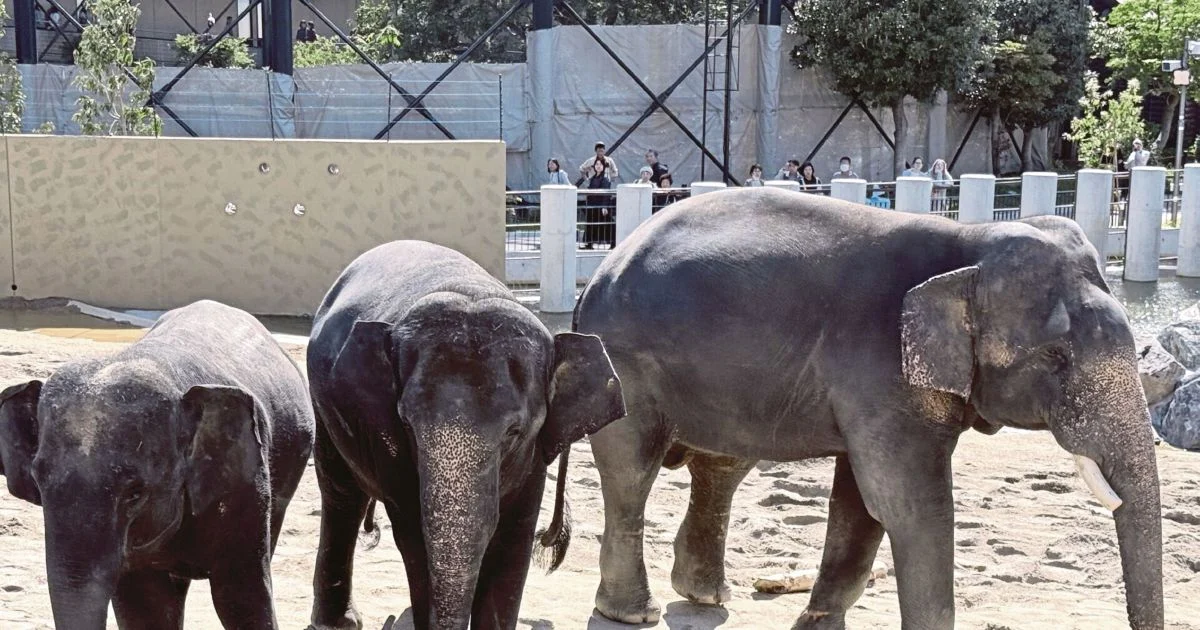
The Malaysian Anti-Corruption Commission (MACC) has initiated a formal investigation into the circumstances surrounding the transfer of three Asian elephants from Zoo Taiping to Tennoji Zoo in Osaka, Japan. The inquiry marks a significant development in what had been presented as a straightforward wildlife exchange arrangement between Malaysian and Japanese zoological institutions, though the MACC's involvement suggests deeper questions about the transaction's propriety and oversight.
Zoo Taiping, located in Perak and operated under state administration, is home to one of Malaysia's most notable elephant populations. The facility has long been a focal point for elephant welfare debates and conservation discussions within the country. The decision to relocate three of its elephants internationally represents a substantial institutional move that would typically involve multiple stakeholders, including state wildlife authorities, federal wildlife departments, and international zoological bodies.
Tennoji Zoo, situated in Osaka's bustling metropolitan region, is a longstanding Japanese facility that maintains a diverse animal collection. International transfers of endangered species like Asian elephants are regulated under the Convention on International Trade in Endangered Species (CITES), requiring careful documentation and approval from relevant authorities in both originating and receiving nations. The involvement of a major international institution suggests the arrangement had undergone formal regulatory channels, yet the MACC investigation indicates concerns may exist regarding the process or decision-making behind the transaction.
The timing of the MACC probe is particularly noteworthy given the elevated public interest in elephant welfare across Southeast Asia. Malaysia has experienced growing scrutiny over elephant management practices, from captive breeding concerns to sanctuary standards. Zoo Taiping's elephants have frequently featured in media coverage and public discourse about animal welfare in the region. Any transfer involving these animals would naturally attract attention, and the MACC's intervention reflects official recognition that public interest warrants formal scrutiny.
Corruption investigations involving wildlife transactions are not uncommon across the region, as international animal trade and facility-to-facility transfers can present opportunities for financial misconduct, conflict of interest, or bypassing proper authorization channels. The MACC's investigation framework would likely examine whether procedures were properly followed, whether competitive bidding or institutional consultation occurred, whether financial arrangements were transparent, and whether appropriate authority approval was obtained at each administrative level.
For Malaysia's zoo management sector, this investigation carries broader implications. Institutions like Zoo Taiping operate within a regulatory ecosystem involving state governments, the Department of Wildlife and National Parks (PERHILITAN), and international zoological associations. The MACC probe may prompt more rigorous review of how major institutional decisions are made at state-run facilities, particularly those involving valuable or rare animals.
The elephant transfer also reflects Malaysia's role in international conservation networks. Japanese zoos maintain active breeding programmes and research initiatives for Asian elephants, and institutional cooperation across countries is generally viewed as beneficial for species preservation. However, such arrangements must still meet transparency standards and governance expectations. The MACC investigation does not necessarily imply misconduct occurred, but rather ensures that decision-making processes withstand scrutiny.
Public confidence in wildlife management institutions depends significantly on transparent governance. Zoo Taiping, like other state facilities, ultimately answers to taxpayers and the public, who have legitimate interest in how institutional assets—including animals—are deployed. The MACC's involvement signals that government takes accountability in this domain seriously, even when decisions may have been made with good intentions.
The investigation may also shed light on the broader ecosystem of animal transfers within Asia. As neighbouring countries increasingly cooperate on wildlife matters, establishing clear precedents for how such arrangements should be conducted becomes important. Malaysia, as a Southeast Asian hub with significant animal populations and tourism-dependent zoos, occupies a strategic position in regional wildlife networks.
Outcomes from the MACC investigation could influence future transfer protocols at Zoo Taiping and other Malaysian facilities. If procedural gaps are identified, institutions may need to strengthen approval mechanisms, enhance documentation standards, or improve inter-agency coordination. Conversely, if the investigation confirms proper procedures were followed, it may strengthen confidence in Malaysian wildlife institution governance.
The elephant transfer remains a complex issue spanning animal welfare, institutional governance, international cooperation, and anti-corruption oversight. For Malaysian readers and policymakers, the MACC investigation underscores the importance of robust frameworks for major institutional decisions, particularly those involving public assets and international obligations. As Malaysia continues developing its wildlife management systems and international partnerships, maintaining transparency and accountability remains essential for preserving both institutional credibility and public trust in how the nation stewards its natural heritage and animal populations.