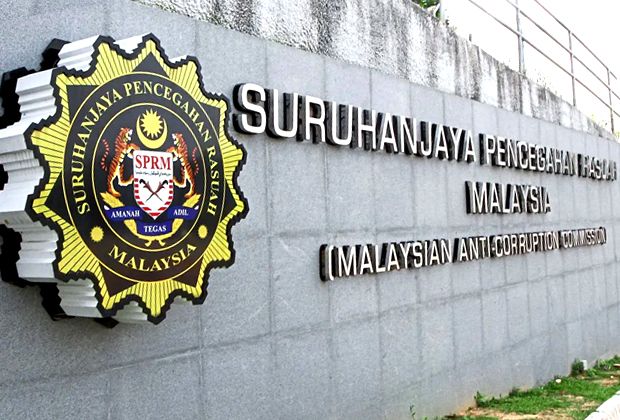
The Malaysian Anti-Corruption Commission has withdrawn freezing and seizure orders imposed on bank accounts belonging to Rohas Tecnic Bhd's subsidiary HGPT and the personal accounts of its officers, clearing the way for the power transmission and telecommunications tower manufacturer to restore full operational capability. The lifting of these restrictions represents a significant development for the company, which had faced financial constraints following the original enforcement action earlier this year.
The revocation orders issued by the Deputy Public Prosecutor and the MACC dissolve restrictions that had been applied under the Anti-Money Laundering, Anti-Terrorism Financing and Proceeds of Unlawful Activities Act 2001. These legal instruments, which restrict access to funds pending investigation or legal proceedings, are commonly deployed by authorities when suspicious financial activity is detected. The removal of such orders suggests that investigative concerns have been resolved or that authorities determined insufficient grounds existed to maintain the restrictions.
Rohas Tecnic announced the development in a filing with Bursa Malaysia, emphasizing that all previously frozen accounts have now been released and the company can proceed with unrestricted banking and business activities. The announcement carries particular significance for a mid-sized Malaysian listed company, as such freezing orders can severely disrupt operational capacity, supplier relationships, and employee remuneration. The restoration of banking access provides immediate relief to cash flow management and day-to-day corporate functioning.
The company's journey through this enforcement action began on October 17, 2025, when Rohas Tecnic and its subsidiaries—HGPT and Rohas-Euco Industries Bhd—received freezing and seizure orders from the MACC targeting specific bank accounts held by the entities. The breadth of the action, extending to multiple subsidiaries and personal accounts of officers, had suggested authorities viewed the matter as serious and potentially widespread. For a company operating in the infrastructure and utilities sector, such restrictions can impact supply chain reliability and project delivery commitments.
The revocation process unfolded sequentially across late November 2025. On November 26, both Rohas Tecnic and HGPT received revocation orders from the Deputy Public Prosecutor under Section 50 of AMLA, while its sister company REI had already received revocation orders from the MACC itself under Section 44A on November 25. This staggered approach to lifting restrictions across different entities reflects the distinct legal frameworks applied to corporate versus individual accounts, and the procedural requirements under Malaysia's anti-money laundering regime.
For Malaysian investors and stakeholders in the listed company sector, such MACC actions and subsequent revocations carry broader implications. They demonstrate the commission's proactive stance in investigating potential financial irregularities, particularly involving companies with listed status. The relatively swift resolution of the matter—from October to November—suggests either that the investigation was narrowly focused or that authorities quickly determined the accounts did not warrant prolonged restriction.
Rohas Tecnic operates in a strategically important sector, manufacturing power transmission and telecommunications towers that support Malaysia's infrastructure development. The company's subsidiaries extend its operational reach across different market segments and geographies. Any extended disruption to such businesses can have ripple effects through supply chains and project timelines, affecting not just shareholders but also customers dependent on reliable infrastructure provision.
The AMLA framework under which these orders were issued represents Malaysia's commitment to combating financial crime, money laundering, and terrorism financing. Section 44 and Section 50 provisions grant authorities significant investigative and enforcement powers, allowing temporary asset freezing without necessarily implying criminal wrongdoing. The threshold for initiating such measures is deliberately low to enable authorities to preserve assets pending fuller investigation. Consequently, revocation orders do not necessarily indicate misconduct was proven absent; rather, they indicate authorities determined that continued restrictions were no longer justified.
For the officers whose personal accounts were affected, the lifting of restrictions also carries personal relief. Being subject to account freezing can create significant hardship and reputational concern, particularly for corporate executives whose financial accountability is already scrutinized by stakeholders. The revocation removes any implication of personal culpability from the public record, though the affected individuals may have experienced considerable inconvenience during the restriction period.
Moving forward, Rohas Tecnic can focus on strategic operations without the burden of frozen assets constraining decision-making. The company faces the practical task of normalizing banking relationships that may have been strained by the freezing orders and restoring confidence among business partners, suppliers, and customers who may have been uncertain about the company's financial stability during the enforcement period. Restoring normal banking operations requires proactive communication with financial institutions and stakeholders.
The case highlights the importance of robust financial compliance frameworks within Malaysian corporations. While investigations can affect any company, maintaining transparent financial practices, thorough record-keeping, and active monitoring of transactions reduces the likelihood of prolonged scrutiny. For Rohas Tecnic, the resolution provides an opportunity to demonstrate strengthened internal controls and transparent governance going forward, potentially strengthening investor confidence in the organization.

