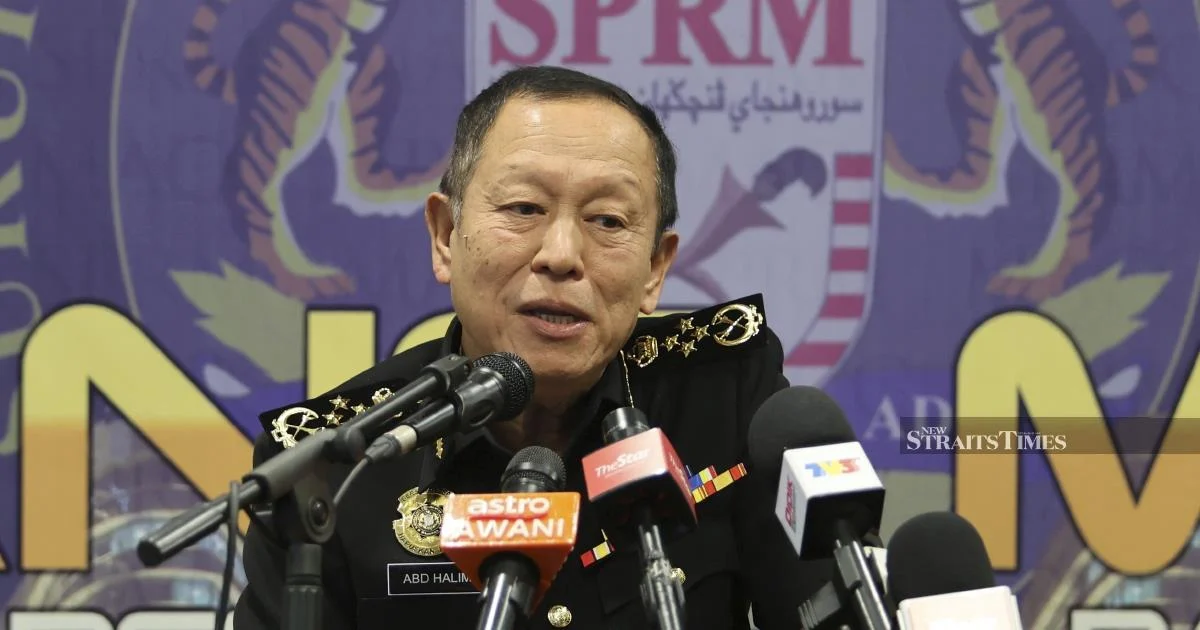
The Malaysian Anti-Corruption Commission (MACC) has clarified that its investigation into fugitive businessman Low Taek Jho has not been shelved and remains an active matter within the agency's operations. The statement, issued from MACC headquarters in Putrajaya, underscores the commission's determination to pursue the high-profile case despite the businessman's absence from Malaysian territory and the significant time elapsed since initial investigations began.
Low Taek Jho, the central figure in Malaysia's most explosive financial scandal, has remained beyond the reach of domestic authorities for years. His alleged role in orchestrating the colossal 1Malaysia Development Berhad (1MDB) fund misappropriation has made him one of Asia's most wanted fugitives. The MACC's public reaffirmation suggests that investigators are not abandoning the case, regardless of the practical difficulties in apprehending him while he remains overseas.
The significance of maintaining an active investigation lies partly in preserving Malaysia's credibility on the international stage. When a major economic crime occurs within a nation's borders, sustained investigative efforts—even when culprits flee—demonstrate institutional commitment to accountability and the rule of law. For Malaysian readers and the broader regional business community, this signals that authorities have not resigned themselves to defeat, a message that carries weight in ongoing efforts to recover stolen assets and strengthen governance frameworks.
The 1MDB scandal, which emerged into public consciousness over a decade ago, has had far-reaching consequences beyond Malaysia's financial sector. It exposed vulnerabilities in international banking systems, prompted reforms in how jurisdictions handle cross-border financial flows, and became a cautionary tale about state-backed investment funds. The MACC's continued pursuit of Low Taek Jho reflects broader institutional learning and a commitment to following investigative leads wherever they lead, even across international boundaries.
Keeping the investigation file open also facilitates potential future cooperation with foreign law enforcement agencies. Several countries, including the United States, Singapore, and others, have conducted their own investigations into aspects of the 1MDB affair. An active MACC case creates opportunities for intelligence sharing and coordinated efforts should Low Taek Jho's whereabouts become known or circumstances change that might enable his apprehension. The operational value of maintaining active status extends beyond immediate prospects to enable rapid mobilisation should opportunities arise.
From a Southeast Asian perspective, the case highlights both the challenges of pursuing sophisticated financial crimes in an increasingly globalised world and the determination of regional institutions to adapt their investigative capabilities accordingly. Malaysia's experience with 1MDB has influenced how other nations in the region approach oversight of large government funds and international financial transactions, making continued pursuit of responsible parties symbolically important for broader governance standards across the region.
The investigative effort also carries implications for Malaysian civil society and victims of the alleged fraud. Members of the public whose retirement savings or government resources were compromised by the misappropriation have strong interest in seeing thorough, persistent investigation. The MACC's statement reassures these constituencies that institutional memory of the case remains intact and that new evidence or developments would not be ignored merely because of logistical challenges presented by Low Taek Jho's fugitive status.
Internal MACC operations would necessarily adapt over the years to pursue a case involving an internationally mobile target. Investigators have likely developed leads through financial tracing, examination of banking records, and international cooperation that require continuous monitoring and updating. Keeping the investigation formally active ensures that resources can be marshalled when new intelligence emerges, whether through routine financial tracking or through information provided by international partners.
The fugitive's case also intersects with broader questions about asset recovery and international legal cooperation. Authorities in several jurisdictions have pursued civil and criminal actions targeting funds allegedly stolen through 1MDB-related schemes. An active MACC investigation provides a domestic legal basis for cooperation with foreign counterparts seeking to recover, freeze, or prosecute assets connected to the case. This multiplicity of investigations across different countries creates a complex but interconnected legal architecture that can be difficult to navigate but potentially more effective than any single jurisdiction acting alone.
Low Taek Jho's continued evasion underscores persistent challenges in combating transnational financial crime. His ability to remain at large despite widespread notoriety highlights gaps in international enforcement mechanisms and the relative ease with which sophisticated operators can move capital across borders and exploit differences between national legal systems. The MACC's persistence in maintaining an active file contributes to a broader international effort to close such loopholes, even if immediate results remain elusive.
For Malaysian institutions and international observers, the MACC's firm statement represents institutional resolve in the face of a particularly difficult case. While apprehending a fugitive businessman operating internationally remains fraught with complications, demonstrating that investigative capacity and commitment have not diminished serves important signalling functions regarding Malaysia's seriousness about tackling high-level corruption and financial mismanagement.

