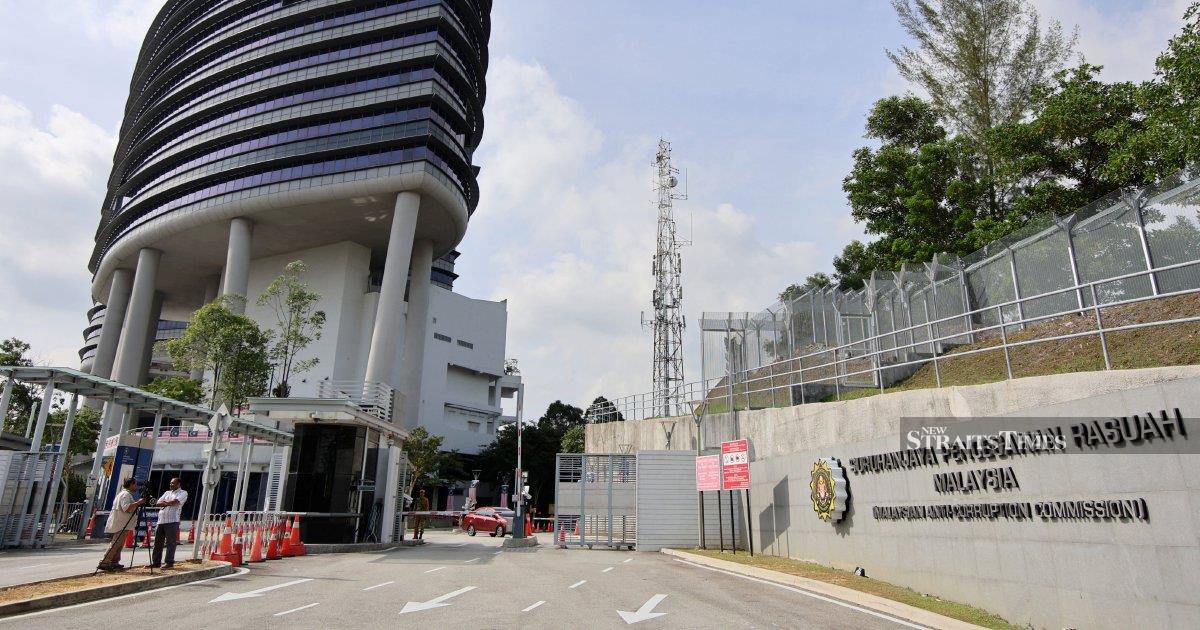
The Malaysian Anti-Corruption Commission is intensifying its campaign to fortify the legal and institutional frameworks protecting individuals who expose corruption and misconduct within the public sector. By issuing a direct appeal to the nation's most senior administrative leaders—including ministry secretaries-general and department directors-general—the MACC is signalling that whistleblower safeguards have become central to Malaysia's anti-corruption strategy and its ambitions within the global governance landscape. This move reflects growing recognition that institutional integrity cannot be achieved without creating safe channels for internal reporting and external disclosure of wrongdoing.
The watchdog's emphasis on this particular governance mechanism stems from a strategic objective: elevating Malaysia's position in the Corruption Perceptions Index, an annual ranking produced by Transparency International that measures perceived levels of public-sector corruption across nations worldwide. Currently, Malaysia's CPI score reflects persistent challenges in corruption control, and the target of meaningful improvement by 2030 represents a decade-long commitment to systemic reform. The MACC's approach suggests that policymakers have identified whistleblower protection as one of several key levers that could meaningfully shift international perceptions and, more importantly, create genuine deterrents against corrupt practices at all government levels.
Whistleblower protection frameworks operate on a straightforward but critical principle: individuals willing to report misconduct require assurance that they will not suffer retaliation, job loss, or professional ostracism. In many emerging and middle-income economies, inadequate legal protections have meant that would-be informants face genuine risks—dismissal, transfer to remote postings, denial of promotions, or worse. Without robust safeguards, corruption often persists precisely because internal witnesses fear the consequences of coming forward. By contrast, jurisdictions with strong whistleblower laws typically experience higher reporting rates and more effective detection of corrupt networks, which in turn generates measurable improvements in corruption indices.
Malaysia's existing whistleblower landscape is governed primarily through the Whistleblower Protection Act 2010, complemented by internal public-service regulations and the MACC's own reporting mechanisms. However, the MACC's current call for prioritisation suggests that implementation gaps remain widespread across federal agencies. Some ministries and departments may lack comprehensive internal policies translating statutory protections into everyday practice. Others may maintain institutional cultures where reporting to external bodies like the MACC remains stigmatised or is viewed as disloyalty. The commission's outreach to secretaries-general and directors-general is therefore an attempt to convert top-level administrative commitment into tangible operational changes across the sprawling federal bureaucracy.
For Malaysian organisations and citizens, the implications are substantial. A strengthened whistleblower regime would provide clearer, more accessible channels for reporting procurement fraud, embezzlement, nepotism in hiring, or misappropriation of public funds. Private-sector employees and contractors dealing with government entities would gain greater confidence that raising concerns about shady dealings would not destroy their careers. Civil society groups monitoring governance would receive more reliable intelligence about systemic problems. Collectively, these effects would create a more transparent ecosystem and, critically, a credible disincentive for corrupt individuals within government.
Regionally, Malaysia's efforts on this front hold significance for Southeast Asia's broader anti-corruption trajectory. Several neighbouring economies—including Indonesia and Thailand—have similarly attempted to leverage whistleblower reforms as part of wider anti-graft initiatives, with mixed results. Indonesia's comprehensive whistleblower protection law, for instance, has contributed to notable increases in corruption reports reaching its anti-corruption body. Malaysia's experience will either reinforce or challenge the hypothesis that legal protections alone, without sustained organisational culture change, can substantially improve transparency. Other ASEAN nations watching Malaysia's implementation progress will draw lessons for their own governance reform agendas.
The MACC's framing of whistleblower protection as essential to CPI improvement also reflects evolving international standards in anti-corruption governance. Transparency International's methodology increasingly emphasises the robustness of legal protections for those reporting misconduct as a marker of institutional health. Countries that score well tend to have transparent, accessible complaint mechanisms; legal penalties for retaliation; and demonstrated enforcement of those protections. By aligning its domestic campaign with these international benchmarks, the MACC is signalling that Malaysia's anti-corruption mission has moved beyond enforcement and prosecution toward structural prevention and cultural normalisation of integrity.
Implementing this vision requires more than legislative language. Federal agencies must establish clear, confidential reporting channels distinct from traditional hierarchical management structures. They must train staff on whistleblower protections and ensure that managers understand the legal prohibitions on retaliation. Crucially, they need transparent processes for investigating alleged wrongdoing reported through these channels, coupled with demonstrable consequences for those found to have engaged in misconduct. Without visible enforcement, legal protections remain theoretical.
The timeline to 2030 provides a concrete benchmark against which progress can be measured. Within a decade, Malaysia could reasonably establish itself as a jurisdiction where whistleblower protections function effectively and serve as a recognised deterrent to corruption. Equally, failure to embed these protections substantively would expose the gap between policy rhetoric and institutional reality—undermining both Malaysia's international standing and domestic confidence in anti-corruption efforts. The MACC's appeal to top civil servants thus represents not merely administrative guidance but a test of whether Malaysia's public sector is genuinely committed to the structural reforms necessary for meaningful anti-corruption progress.
Ultimately, strengthening whistleblower protection transcends technical governance. It embodies a fundamental question about institutional culture: whether public servants will be encouraged or punished for disclosing wrongdoing. The MACC's push to make this question a priority across federal agencies suggests that policymakers recognise that durable anti-corruption progress depends on creating conditions where integrity becomes the norm rather than an exception.

