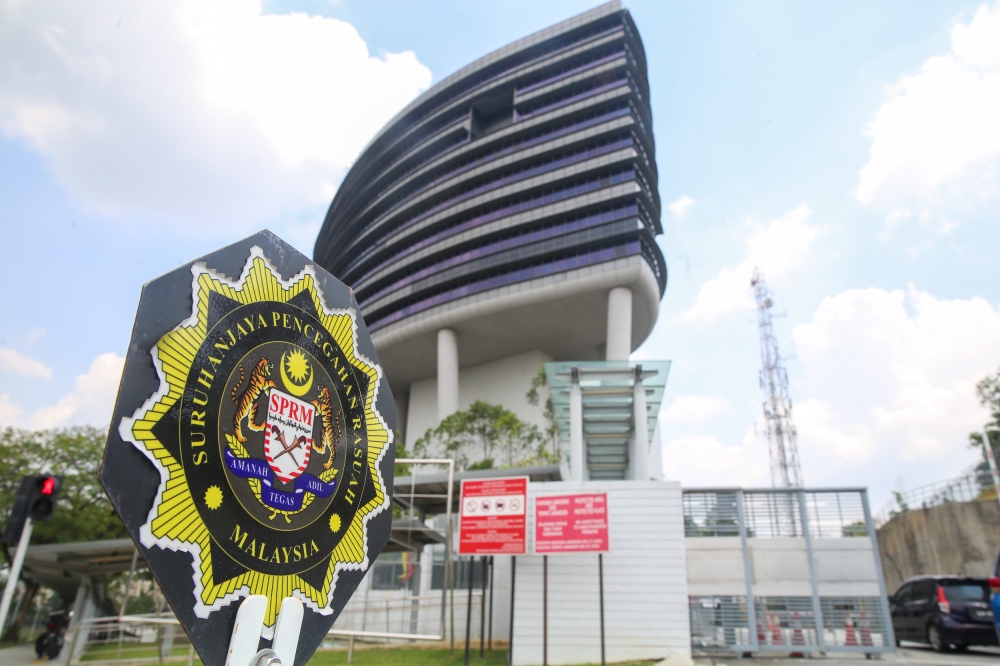
The Malaysian Anti-Corruption Commission has directed its attention to senior government bureaucrats, emphasising the critical need to create comprehensive safeguards for those who report misconduct within their organisations. The push comes as Malaysia continues its broader effort to strengthen its international reputation on anti-corruption measures and improve its position on the Corruption Perceptions Index, a key indicator that shapes investor confidence and global standing.
This initiative reflects a recognition within Malaysia's anti-corruption apparatus that whistleblowers form the backbone of effective enforcement efforts. Without adequate protections in place, potential informants face significant personal and professional risks that deter them from coming forward with evidence of wrongdoing. The MACC's message to the country's ministry secretaries-general signals that the commission views institutional safeguards as essential infrastructure for combating corruption at all levels of the federal government.
The timing of this directive underscores Malaysia's strategic focus on governance metrics that influence how international observers assess the nation's commitment to transparency and ethical conduct. The Corruption Perceptions Index, compiled annually by Transparency International, serves as a influential barometer for multinational corporations, development agencies, and foreign governments evaluating Malaysia as an investment destination and partner. Climbing these rankings requires demonstrable progress across multiple fronts, and whistleblower protection frameworks represent a tangible, measurable commitment to institutional reform.
For Malaysian readers, this development carries particular significance given the country's competitive position within Southeast Asia. Neighbouring economies are simultaneously pursuing similar anti-corruption credentials, making Malaysia's progress on these fronts a matter of both principle and practical economic interest. Nations perceived as less corrupt tend to attract higher-quality foreign direct investment and command better terms in international negotiations, benefits that ripple through the broader economy.
The MACC's appeal to ministry leadership suggests that existing protections may be insufficient or inconsistently applied across government departments. Whistleblowers operating within the public service often face unique vulnerabilities—they work within hierarchical structures where reporting misconduct can trigger retaliation from superiors, damage career prospects, or expose them to social ostracism among colleagues. Without explicit institutional protections, these individuals operate with considerable personal jeopardy, particularly when reporting senior officials or systemic issues rather than isolated incidents.
Effective whistleblower frameworks typically encompass multiple layers of protection. These include anonymous reporting channels that prevent immediate identification, strict confidentiality protocols that limit knowledge of the informant's identity to necessary personnel, safeguards against dismissal or adverse employment action, and psychological support mechanisms. Some advanced systems also provide financial compensation for protected witnesses and legal representation during investigations. The MACC's directive suggests it is seeking to establish or strengthen such mechanisms across the federal bureaucracy.
This initiative also reflects international best practice in anti-corruption work. Nations that have achieved sustained improvements in corruption metrics invariably invest heavily in whistleblower infrastructure. Countries like Denmark, New Zealand, and Singapore—which dominate the upper reaches of the Corruption Perceptions Index—have legislative frameworks and institutional practices that make reporting wrongdoing a viable option for ordinary citizens and civil servants without fear of career destruction or physical harm.
For the Malaysian private sector, the MACC's focus on government whistleblower protections carries indirect implications. As public sector institutions establish clearer frameworks for handling reports of misconduct, private companies face implicit pressure to establish comparable systems. Multinational corporations operating in Malaysia increasingly demand ethical governance from their supply chains and business partners, creating incentives for domestic companies to adopt international standards. Public sector leadership on this front can establish normative expectations that spread throughout the business community.
The challenge for implementation lies in changing workplace cultures where reporting misconduct remains risky despite formal protections. Civil servants may fear that anonymous channels are not truly confidential, or that reporting will eventually be traced back to them through process of elimination. Building trust in these systems requires consistent demonstration that the MACC and individual ministries will vigorously enforce protections and that retaliation carries serious consequences. High-profile cases in which whistleblowers are visibly protected and vindicated serve as powerful signals that change is genuine rather than merely cosmetic.
Ministry secretaries-general hold considerable authority within their respective organisations and can drive cultural shifts toward greater transparency. When these senior officials publicly endorse whistleblower protections and demonstrate commitment through resource allocation and consistent enforcement, lower-ranking officials receive clear signals about institutional priorities. Conversely, if protections remain theoretical or unevenly applied, cynicism spreads and would-be informants conclude that reporting carries unacceptable risks.
Malaysia's pursuit of improved Corruption Perceptions Index rankings reflects a broader understanding that governance quality influences economic competitiveness in an era of globalised capital flows. International investors increasingly factor anti-corruption credentials into location decisions, particularly for companies with strict compliance obligations and reputational concerns. By building robust whistleblower frameworks, Malaysia signals institutional maturity and commitment to rules-based governance that appeals to conscientious corporate partners.
The MACC's call to action thus represents more than routine bureaucratic procedure. It embodies a strategic choice by Malaysia's anti-corruption establishment to prioritise systemic vulnerability reduction over purely reactive enforcement. Whistleblowers who report misconduct risk their careers and personal security; creating conditions where they can come forward without devastating consequences represents a fundamental shift toward proactive, preventive anti-corruption work that addresses root causes rather than merely punishing detected violations.

