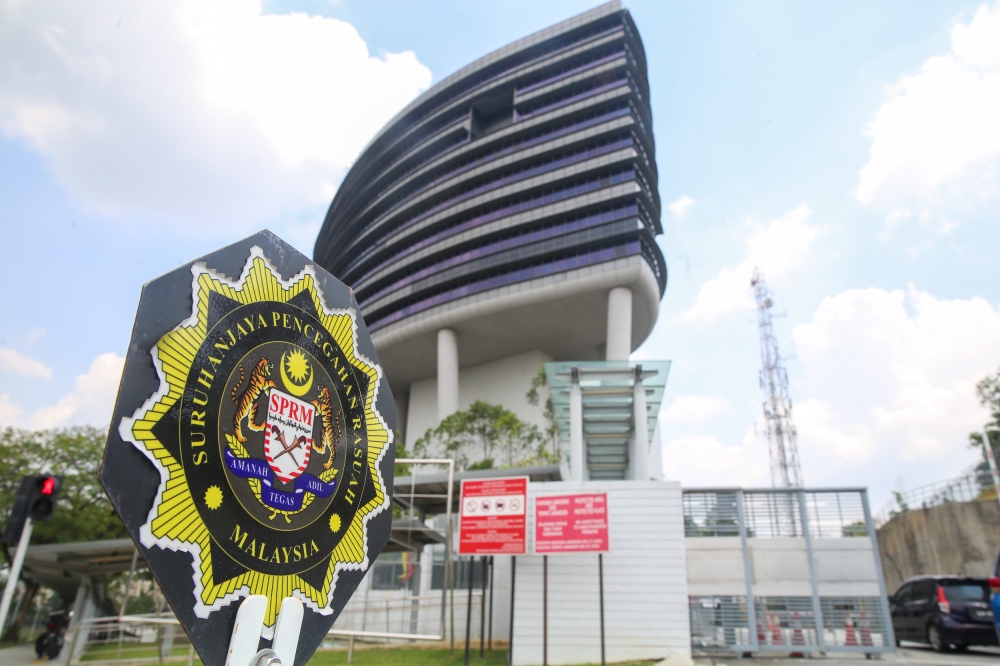
The Malaysian Anti-Corruption Commission acknowledged the growing sophistication of technology-enabled deception on Tuesday, announcing a comprehensive upgrade to its digital forensics capacity aimed at exposing artificially generated deepfakes and tampering with evidence. Speaking in Putrajaya, MACC officials outlined how advancing artificial intelligence tools have introduced new vulnerabilities into corruption investigations, prompting the agency to invest in detection methodologies and specialist training.
The expansion reflects a recognition across Southeast Asia's enforcement community that criminal networks and corrupt officials increasingly exploit AI capabilities to obscure wrongdoing. Deepfake technology—which uses machine learning to create convincingly altered video and audio recordings—has emerged as a potent weapon for undermining witness credibility and manufacturing false exculpatory material. Malaysia's anti-corruption body assessed that remaining ahead of such threats requires sustained investment in both technological infrastructure and human expertise.
Digital forensics has become a cornerstone of modern corruption investigation worldwide. The MACC's initiative positions Malaysia alongside regional peers in Singapore and Thailand, where law enforcement agencies have similarly prioritised capabilities to authenticate digital materials. However, the challenge extends beyond mere detection; forensic specialists must now distinguish between legitimate evidence and AI-fabricated content while maintaining evidentiary standards that withstand courtroom scrutiny. This demands not only sophisticated software tools but also rigorously trained personnel who comprehend the underlying technology.
The proliferation of user-friendly AI tools has democratised deepfake creation, placing such capabilities within reach of individuals lacking advanced technical backgrounds. Criminal organisations have begun weaponising these tools to manufacture compromising audio conversations, fabricate financial transactions, or create false confessions. In the Malaysian context, where corruption cases often turn on documentary evidence and witness testimony, such manipulation poses particular risks to case integrity. The MACC's proactive stance acknowledges that investigative methodologies developed for traditional evidence—fingerprints, bank records, surveillance footage—require fundamental recalibration for an AI-driven environment.
Training programmes form a critical pillar of the agency's strategy. Investigators and forensic technicians require education in how AI models generate synthetic media, what telltale artefacts such systems leave behind, and how to preserve digital chain-of-custody documentation in ways that defeat deepfake defences. The MACC has reportedly engaged with international partners and technology companies to access cutting-edge detection algorithms and methodological frameworks. These arrangements allow Malaysian investigators to benefit from global innovation without the prohibitive expense of wholly independent development.
The institutional implications merit examination. Upgrading digital forensics capability requires sustained budgetary commitment beyond initial equipment procurement. Salaries competitive enough to retain specialists with advanced technical qualifications represent an ongoing operational cost. Furthermore, as detection methodologies mature, adversaries simultaneously develop countermeasures, creating an escalating technological arms race. The MACC's announcement suggests preparedness for this dynamic reality, though long-term sustainability depends on political and financial support remaining consistent across government cycles.
For Malaysian legal practitioners and the judiciary, the MACC's initiative carries important ramifications. Courts must develop familiarity with digital forensic expert testimony and the statistical confidence intervals underpinning deepfake detection claims. Defence counsel will increasingly challenge the reliability of digital evidence, necessitating transparent, reproducible forensic methodologies. Jurisprudence around the admissibility and weight of machine-authenticated evidence remains nascent in Malaysian law, creating interpretive space that the courts will gradually define through case law.
Regionally, Malaysia's move reflects broader Southeast Asian concerns. Corruption investigations across the region increasingly encounter sophisticated digital manipulation. The MACC's capacity-building effort generates spillover benefits for law enforcement cooperation frameworks, particularly the ASEAN Anti-Corruption Working Group. Shared expertise in detecting deepfakes and authenticating digital evidence strengthens the collective investigative capability of regional partners, with implications for cross-border corruption cases involving multiple jurisdictions.
The commercial sector faces complementary challenges. Financial institutions, auditors, and corporate compliance teams must similarly develop capacities to identify AI-manipulated documents and communications. The MACC's work implicitly signals to private entities that deepfake risks represent genuine business concerns requiring proactive governance measures. Insurance companies, in turn, may begin pricing cyber and fraud risks differently as deepfake capabilities become more prevalent.
Cyber-organised crime networks have begun offering deepfake services for hire, further lowering barriers to entry for corrupt actors. The MACC's capacity-building therefore addresses not merely hypothetical future risks but emerging present-day challenges. Cases where suspects claim evidence authenticity despite forensic indicators of manipulation will test the agency's new capabilities and the courts' receptiveness to novel expert testimony.
The timeline for comprehensive digital forensics implementation remains unspecified, though the MACC's public announcement suggests deployment within the medium term. Interim vulnerabilities may persist as investigative staff transition to enhanced protocols. Corruption suspects aware of the agency's capability gaps may accelerate evidence fabrication activities before detection systems fully operationalise, creating a narrow window of heightened vulnerability for ongoing investigations.
Ultimately, the MACC's initiative reflects adaptive governance in an era where technological disruption fundamentally reshapes law enforcement methodologies. While deepfake threats are nascent, their rapid evolution demands institutional agility. Malaysia's anti-corruption framework strengthens through such investment, though the underlying challenge—maintaining investigative integrity against increasingly sophisticated deception—will persist indefinitely. Success depends on continuous innovation, adequate resourcing, and collaborative knowledge-sharing across enforcement agencies and international partners.

