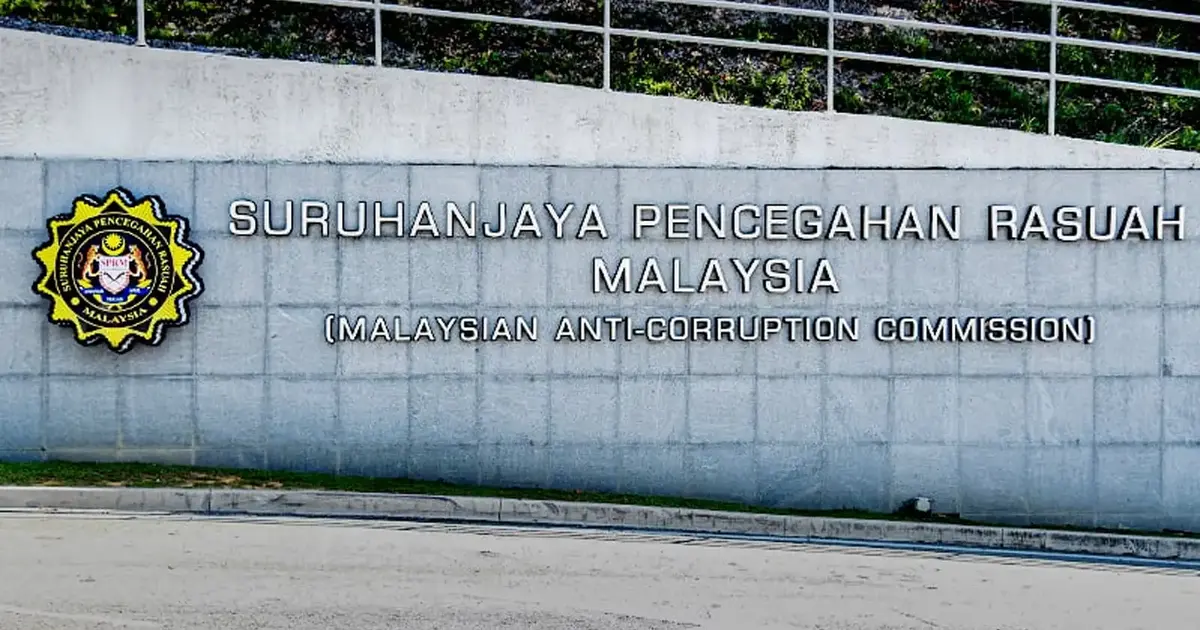
The Malaysian Anti-Corruption Commission (MACC) is preparing to take legal action against 13 business owners in court tomorrow, marking another significant step in its investigation into misconduct surrounding the Daya Kerjaya 2.0 programme. The cases represent a coordinated enforcement effort targeting individuals accused of exploiting irregularities within the government's employment initiative, signalling the agency's commitment to holding private sector actors accountable for their involvement in public funding schemes.
Daya Kerjaya 2.0 stands as a flagship government employment programme designed to address youth joblessness and skills development across Malaysia. The initiative provides financial incentives and support to companies that hire and train unemployed individuals, particularly targeting young people struggling to enter the formal labour market. The programme has expanded significantly since its inception, attracting substantial government allocations and widespread participation from employers across various sectors seeking to tap into available subsidies and wage support mechanisms.
The irregularities uncovered by MACC investigators suggest deliberate circumvention of the programme's guidelines and funding protocols. Rather than straightforward administrative oversights, the cases appear to involve substantive violations of how companies accessed, utilised, and reported resources disbursed under Daya Kerjaya 2.0. These breaches likely encompassed misrepresentation of hiring records, fraudulent claims for employee benefits, inflated training expenses, or systematic falsification of documentation to maximise government payouts beyond legitimate entitlements.
The decision to prosecute 13 company owners simultaneously reflects a coordinated investigation strategy that cuts across multiple business entities and industries. This approach strengthens MACC's enforcement posture by demonstrating that widespread non-compliance will trigger consistent legal consequences, potentially deterring similar misconduct among other programme participants. The breadth of the action also suggests the investigation uncovered patterns of abuse rather than isolated incidents, pointing toward systemic vulnerabilities in programme administration that require both legal remedies and structural reform.
For Malaysian readers and businesses, the prosecution signals heightened scrutiny of how companies manage government-funded employment schemes. Organisations participating in similar initiatives must now assume heightened audit risks, demanding more rigorous internal compliance frameworks and documentary accuracy. The MACC's willingness to pursue private sector defendants alongside government officials underscores that responsibility for programme integrity extends beyond bureaucratic gatekeepers to participating businesses themselves, effectively raising the cost of cutting corners.
The timing and scale of these prosecutions arrive amid broader public discourse surrounding government spending efficiency and anti-corruption measures. Successive administrations have prioritised employment programmes as policy tools for addressing joblessness while channelling development funding to business participation. However, such schemes inevitably attract opportunistic actors seeking to exploit administrative gaps or weak oversight. The MACC's enforcement action validates longstanding concerns from civil society organisations and policy analysts that better internal controls, verification mechanisms, and penalty structures are essential to prevent large-scale fund diversion.
Daya Kerjaya 2.0's credibility depends partly on demonstrating that government resources reach genuine beneficiaries rather than enriching dishonest employers through fraudulent claims. Each prosecution strengthens public confidence that the programme operates with integrity, though repeated discoveries of irregularities simultaneously raise questions about the adequacy of vetting procedures before funds are disbursed. The investigation findings may prompt programme administrators to implement stronger upfront validation of participating companies, more frequent audits during programme execution, and swifter mechanisms for detecting anomalies in hiring claims or expense reporting.
Regionally, Malaysia's anti-corruption enforcement sends important signals about the government's commitment to accountability in public-private partnerships and subsidy regimes. Southeast Asia has experienced persistent challenges with programme misuse across employment, infrastructure, and enterprise development initiatives. Visible prosecution of private sector participants demonstrates that corruption concerns extend beyond government officials to encompassing all stakeholders in publicly funded schemes, a principle that regional economies continue grappling with as they expand state-sponsored business support mechanisms.
The court proceedings tomorrow will offer the first detailed public account of the specific misconduct patterns and schemes employed by these 13 business owners. Evidence presented during trials may reveal methodologies, accomplices within government bureaucracies, or systemic programme weaknesses exploited across multiple entities. Such revelations typically prompt programme redesigns, staff retraining, and enhanced whistleblower mechanisms aimed at preventing recurrence, ultimately strengthening governance of employment initiatives that reach millions of Malaysian workers annually.
For employers participating legitimately in Daya Kerjaya 2.0 and similar programmes, these prosecutions underscore the importance of maintaining unimpeachable records and transparent dealings with government agencies. Companies that have followed guidelines faithfully face no enforcement risk and may actually benefit from reduced programme participation by unscrupulous competitors, potentially improving access to eligible job seekers and programme benefits. The enforcement action thus creates competitive advantages for honest operators while imposing consequences for those attempting to game the system.
MAAC's prosecution strategy reflects its evolving approach to corruption cases, increasingly targeting the full spectrum of actors involved in misconduct rather than concentrating exclusively on government officials. This comprehensive enforcement posture acknowledges that sustainable anti-corruption requires accountability throughout institutional ecosystems, not merely at bureaucratic entry points. The 13 prosecutions exemplify this philosophy, holding private sector decision-makers responsible for their participation in programme irregularities and establishing precedent for future cases involving employer misconduct in government-sponsored employment initiatives.

