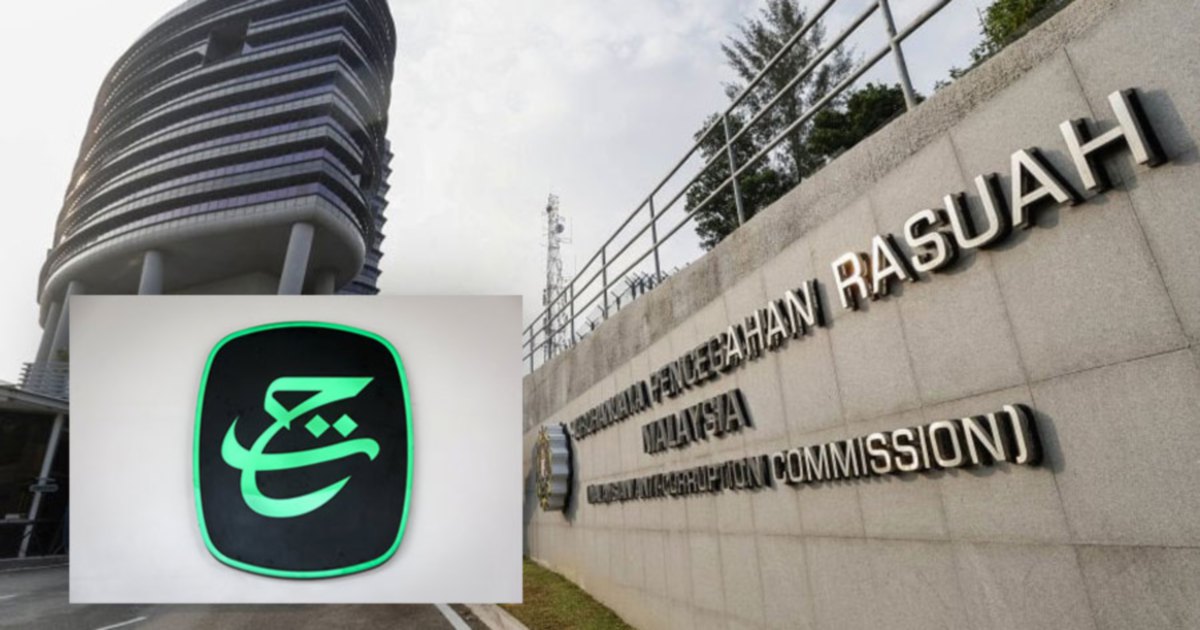
The Malaysian Anti-Corruption Commission has placed a former chief executive officer of Tabung Haji on its investigative agenda, signalling an intensification of scrutiny into governance and management practices at Malaysia's Islamic pilgrimage fund. Officials indicated that the MACC intends to summon the individual for formal questioning in the coming weeks, marking a significant development in the commission's follow-up actions to findings released by a recently concluded Royal Commission of Inquiry.
Tabung Haji, which manages the savings of millions of Malaysian Muslim pilgrims preparing for the Hajj journey to Mecca, has faced mounting public and official criticism over operational transparency and financial stewardship. The RCI, which completed its investigation into governance concerns at the institution, outlined several areas where management decisions and administrative practices fell short of expected standards. These findings have provided the MACC with a formal framework for launching its own enforcement action, drawing on the RCI's documentary evidence and recommendations.
The identity of the former executive targeted for questioning remains undisclosed pending formal notification, though sources close to the investigation confirmed that this individual held significant decision-making authority during a period identified by the RCI as problematic. The decision to commence formal interviews represents a departure from preliminary MACC observations and signals that the commission has sufficient grounds to pursue a full investigative line centred on potential breaches of anti-corruption statutes and fiduciary duties.
For Malaysian Muslim pilgrims and potential Hajj participants, the unfolding investigation carries direct relevance. Tabung Haji functions not merely as a financial intermediary but as a custodian of sacred savings accumulated by families over years of sacrifice and planning. The emergence of governance lapses therefore strikes at the heart of public trust in an institution whose legitimacy rests on transparent, ethical stewardship. Past instances of mismanagement at sovereign wealth funds across the region have demonstrated how poor governance can erode institutional credibility and inflict lasting reputational damage.
The RCI's report has catalysed broader conversation about accountability structures within Malaysia's Islamic financial institutions and government-linked entities more generally. Unlike private corporations subject to market discipline and shareholder scrutiny, entities like Tabung Haji operate with fewer immediate external oversight mechanisms, making internal governance and regulatory intervention critical. The MACC's commitment to follow through on RCI recommendations therefore signals an attempt to strengthen enforcement and accountability where internal systems may have proven inadequate.
This development also underscores evolving expectations regarding leadership responsibility in the Malaysian public sector. Senior executives at state-owned institutions increasingly face personal legal jeopardy for decisions taken under their watch, even when those decisions involved complex governance trade-offs or institutional pressures. The MACC's investigative posture reflects a broader hardening of positions toward corporate leaders and administrators, particularly those managing funds entrusted to the state by ordinary citizens.
Regional observers have noted that questions surrounding governance at Tabung Haji mirror challenges faced by Islamic finance institutions and pilgrimage funds across Southeast Asia and the broader Muslim world. The manner in which Malaysian authorities handle enforcement and accountability may influence how other countries approach similar investigations within their own institutional landscapes. A transparent, rigorous process could strengthen regional confidence in Islamic financial governance; conversely, perceived inconsistency or political selectivity could undermine public faith in anti-corruption mechanisms.
The timing of the summons, coming on the heels of the RCI report's public release, reflects standard investigative procedure. The commission typically allows sufficient interval between official report findings and formal questioning to permit targets time to absorb allegations, consult legal counsel, and prepare responses. This procedural sequencing also allows MACC prosecutors to consolidate documentary evidence and refine their line of inquiry based on RCI documentation.
Former executives and senior officials summoned by the MACC face considerable institutional and reputational pressure, regardless of investigation outcomes. The public nature of anti-corruption proceedings means that even individuals ultimately cleared of wrongdoing often experience lasting career and social consequences. This reality has prompted calls from some quarters for greater sensitivity to due process and presumption of innocence, though anti-corruption agencies counter that public accountability demands transparency and visible enforcement action.
Stakeholders within Tabung Haji have expressed hope that the investigation will facilitate institutional reform and restore public confidence. Recent administrative changes have been implemented to strengthen oversight and governance protocols, though observers suggest that enforcement action against predecessors sends a more powerful signal regarding institutional commitment to accountability. The parallel operation of internal reforms and external investigation creates a window for comprehensive governance renewal, provided that political and bureaucratic will sustains follow-through on both tracks.
The broader implications for Malaysian governance extend beyond Tabung Haji itself. This case exemplifies ongoing tensions between institutional autonomy and state oversight, between managerial discretion and regulatory constraint, and between historical practice and contemporary accountability standards. How authorities navigate these tensions will reverberate across the sector, influencing how other senior leaders approach governance decisions and how boards balance strategic latitude against compliance obligations.

