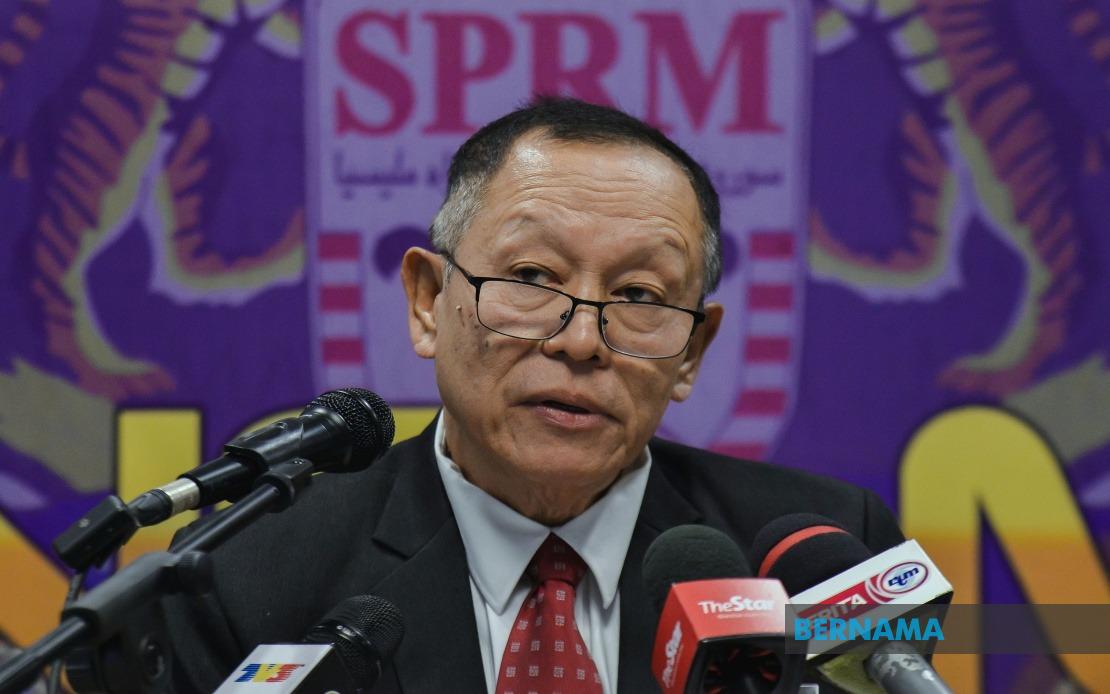
The Malaysian Anti-Corruption Commission concluded a marathon four-day interrogation session on Wednesday with a former chief financial officer over allegations of misconduct linked to a controversial share purchase, marking a significant milestone in its investigation into governance failures at Lembaga Tabung Haji. MACC chief commissioner Datuk Seri Abd Halim Aman confirmed that the questioning of the 60-year-old executive wrapped up at 6.30 pm, following an intensive schedule that commenced at 9 am that morning. The completion of this statement-recording phase signals the commission's determination to pursue accountability in what has emerged as one of Malaysia's most scrutinised cases of alleged institutional abuse in recent years.
The inquiry stems directly from findings contained in the Royal Commission of Inquiry report on Lembaga Tabung Haji, which flagged serious concerns about decision-making processes at the pilgrimage fund manager. Central to MACC's investigation is the contested acquisition of shares in two plantation companies valued at approximately RM370 million—a transaction that the RCI identified as potentially constituting abuse of power. The sheer scale of the alleged impropriety underscores the gravity of the matter and the potential implications for Tabung Haji's financial stewardship and the interests of millions of Malaysian pilgrims whose savings are entrusted to the institution.
The individual being questioned held a pivotal position in overseeing the statutory body-owned company's financial operations during the period under investigation. As CFO, this executive would have been instrumental in advising on and potentially facilitating the plantation share purchase decision. The specificity of MACC's focus on this particular transaction reflects the commission's methodical approach to establishing culpability and tracing the decision-making chain that led to the contentious acquisition. The four-day duration of the statement-recording exercise underscores the complexity and breadth of ground to be covered, suggesting that investigators sought exhaustive detail regarding the transaction's rationale, approval mechanisms, and financial justifications.
Significantly, both the former CFO and the company's ex-chief executive officer voluntarily presented themselves at MACC headquarters on Tuesday to furnish statements. This development carries dual implications: it may reflect either cooperation with the inquiry or a strategic decision to control the narrative early in the investigation process. Their willingness to appear without apparent legal resistance contrasts with the often contentious nature of high-profile corruption investigations. Nevertheless, their extended detention and intensive questioning sessions indicate that MACC regarded their accounts as sufficiently material to warrant exhaustive probing.
The Tabung Haji saga has captured sustained public and political attention across Malaysia, reflecting broader concerns about institutional governance and the safeguarding of public assets. The pilgrimage fund serves millions of Muslim Malaysians saving systematically for the Hajj pilgrimage, making any mismanagement or alleged impropriety a matter touching household finances and religious obligation. Media coverage and political commentary have maintained focus on the RCI's findings, creating pressure on enforcement agencies to demonstrate tangible progress in holding potentially culpable parties accountable. MACC's public confirmation of completing this interrogation phase serves to reassure stakeholders that the investigation is advancing substantively.
The RM370 million share purchase represents a transaction of exceptional magnitude relative to institutional norms and risk parameters. Queries concerning how such a significant capital deployment received approval, what due diligence was conducted, and whether proper governance protocols were observed remain central to the inquiry's trajectory. The decision to acquire shares in plantation companies—assets outside Tabung Haji's traditional investment sphere—raised eyebrows among observers familiar with the fund's conventional portfolio composition. This departure from established investment philosophy arguably warranted heightened scrutiny at each approval stage, making any procedural irregularities or override of safeguards particularly troubling.
MACC's structured approach to the investigation reflects institutional maturation and adherence to professional investigative methodology. The commission's public confirmation of progress updates, timing of statement-taking, and chief commissioner's transparent communication represent efforts to signal institutional competence and independence. However, Malaysian observers familiar with previous high-profile investigations remain cognisant that statement-recording constitutes merely an initial evidentiary phase. Subsequent investigation components—document analysis, cross-verification of accounts, examination of transaction trails, and potential interviews with additional witnesses—will substantially determine whether sufficient grounds exist for formal charges.
The implications extend beyond the immediate institutional context of Tabung Haji to encompass broader questions of corporate governance within Malaysia's statutory body ecosystem. Numerous such entities manage substantial public or quasi-public resources yet operate with governance frameworks that observers argue warrant modernisation. The Tabung Haji investigation, should it yield prosecution and conviction, would establish important precedent regarding accountability standards for institutional leadership. Conversely, should the inquiry ultimately conclude without charges, it would signal that governance thresholds for such entities differ materially from private sector standards.
For Malaysian citizens and the international business community monitoring institutional integrity in Southeast Asia, this investigation represents a test case for the MACC's capacity to investigate complex financial misconduct within established institutions. The commission's credibility depends partly on demonstrable progress through investigation phases and eventual closure through either prosecution or reasoned determination that wrongdoing cannot be substantiated. The four-day interrogation represents substantial investigative investment, suggesting MACC has identified sufficient prima facie concerns to justify intensive questioning. However, the distance between investigative groundwork and prosecutorial action remains substantial, and observers should expect extended timelines before definitive resolution emerges.

