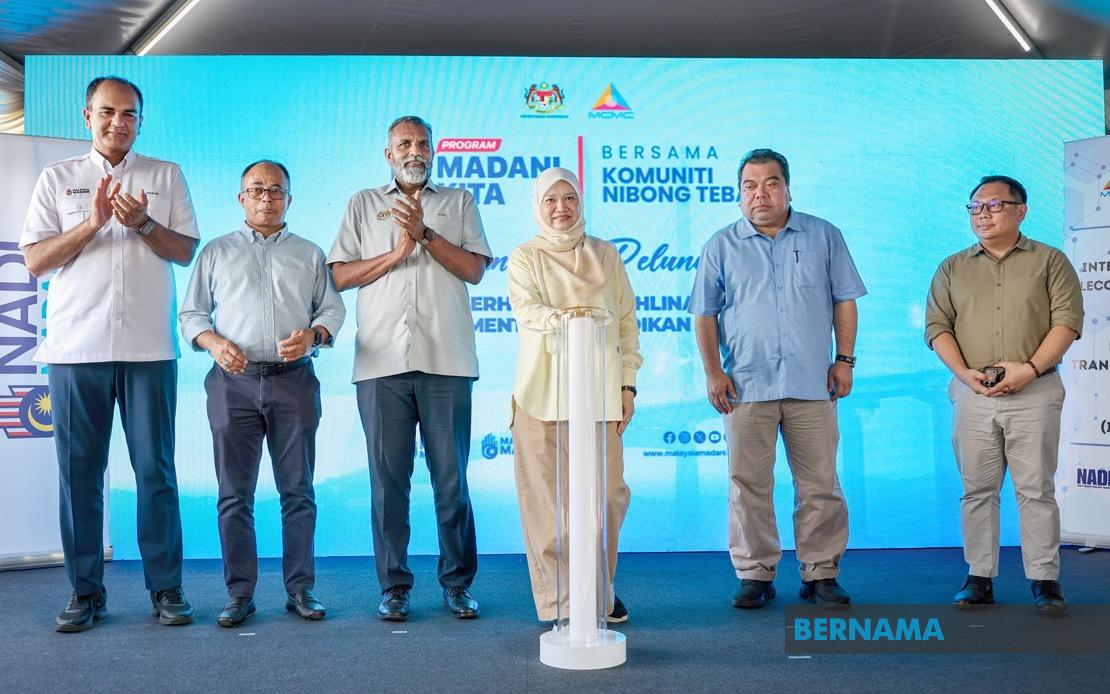
The Malaysian government has intensified its commitment to bringing administrative services and policy information directly to citizens through an expanding network of community engagement initiatives. The Communications Ministry unveiled its latest MADANI Kita programme in Nibong Tebal, marking the 41st such event as part of a broader effort to bridge the gap between federal bureaucracy and ordinary Malaysians seeking clearer understanding of government work and available benefits.
This nationwide initiative represents a deliberate shift in how the government communicates with its population, moving beyond traditional one-way information channels towards interactive platforms where citizens can pose questions, seek clarification on policies, and provide direct feedback on government programmes. The strategy recognises that public understanding of government initiatives extends beyond mere awareness of their existence—citizens increasingly expect to comprehend tangible outcomes and personal benefits arising from state investments and policy decisions.
The Communications Ministry, working through three principal agencies—the Community Communications Department (J-KOM), the Malaysian Information Department (JaPen), and the Malaysian Communications and Multimedia Commission (MCMC)—coordinates these programmes via the National Information Dissemination Centre (NADI). According to Communications Ministry deputy secretary-general Mano Verabathran, this collaborative framework pools resources and expertise across multiple government entities to deliver comprehensive services at a single point of contact within communities.
Each MADANI Kita event extends beyond static information booths or lecture formats. The programmes incorporate diverse activities deliberately designed to appeal to different demographic segments, particularly younger Malaysians who increasingly expect interactive and technologically engaging experiences. These include e-sports competitions, which have proven popular among youth audiences, alongside skills development workshops, educational seminars, and community wellness activities that underscore the government's multi-faceted responsibilities beyond conventional governance.
The dual emphasis on entertainment value and substantive content reflects contemporary understanding of effective public communication. Rather than viewing recreational elements as separate from policy messaging, the programmes integrate both to create environments where citizens naturally engage with government representatives and information. This approach particularly benefits younger audiences who may otherwise perceive government communications as inaccessible or irrelevant to their daily concerns.
Attendance figures from recent events demonstrate substantial public interest in these initiatives. The MADANI Kita Permatang Pauh programme, held jointly with the Penang International Halal Expo 2026 in late July, attracted over 17,000 participants across three days. This attendance suggests that when government services are presented within culturally relevant contexts and community-focused settings, public participation rates increase significantly, providing government agencies with valuable direct contact with constituents.
For Malaysia's evolving digital economy and knowledge-based development agenda, these programmes serve strategic importance beyond immediate public relations objectives. They create opportunities for government agencies to understand citizen information needs, identify communication barriers, and refine how policies are explained to different population segments. The feedback gathered during these interactions potentially informs policy implementation improvements and future communications strategies.
The scaling of MADANI Kita across 41 separate events indicates the government's resource commitment to this engagement model, suggesting institutional recognition that service accessibility requires sustained effort and decentralised implementation rather than occasional centralised initiatives. Different geographic locations present distinct demographic compositions, economic circumstances, and information access levels, necessitating tailored approaches that local MADANI Kita events can accommodate.
From a Southeast Asian perspective, Malaysia's emphasis on direct citizen-government engagement through these programmes reflects broader regional trends toward more responsive governance models. As Malaysia competes for investment and talent in increasingly globalised markets, government transparency and citizen accessibility serve as indirect measures of institutional quality that influence investor confidence and citizen satisfaction.
The incorporation of technology-focused activities and e-sports reflects governmental recognition that attracting youth participation requires meeting them within their preferred communication and entertainment spaces. This demographic represents Malaysia's future workforce, voters, and community leaders, making their engagement with government institutions during formative years potentially significant for long-term civic participation patterns and trust in democratic institutions.
Education Minister and Nibong Tebal Member of Parliament Fadhlina Sidek's official participation in launching the local MADANI Kita event underscores political leadership endorsement of these initiatives, signalling to other ministries and state-level officials that community engagement receives priority attention. This political backing proves essential for sustaining programmes across electoral cycles and ensuring consistent resource allocation despite competing budgetary demands.
The breadth of ministries and agencies participating in these programmes highlights the government's recognition that citizen concerns extend across multiple policy domains—from education and skills training to telecommunications infrastructure, community services, and wellness initiatives. This comprehensive approach avoids the fragmentation often resulting when different agencies operate independently, instead presenting government as a coordinated entity working toward shared citizen welfare objectives.

