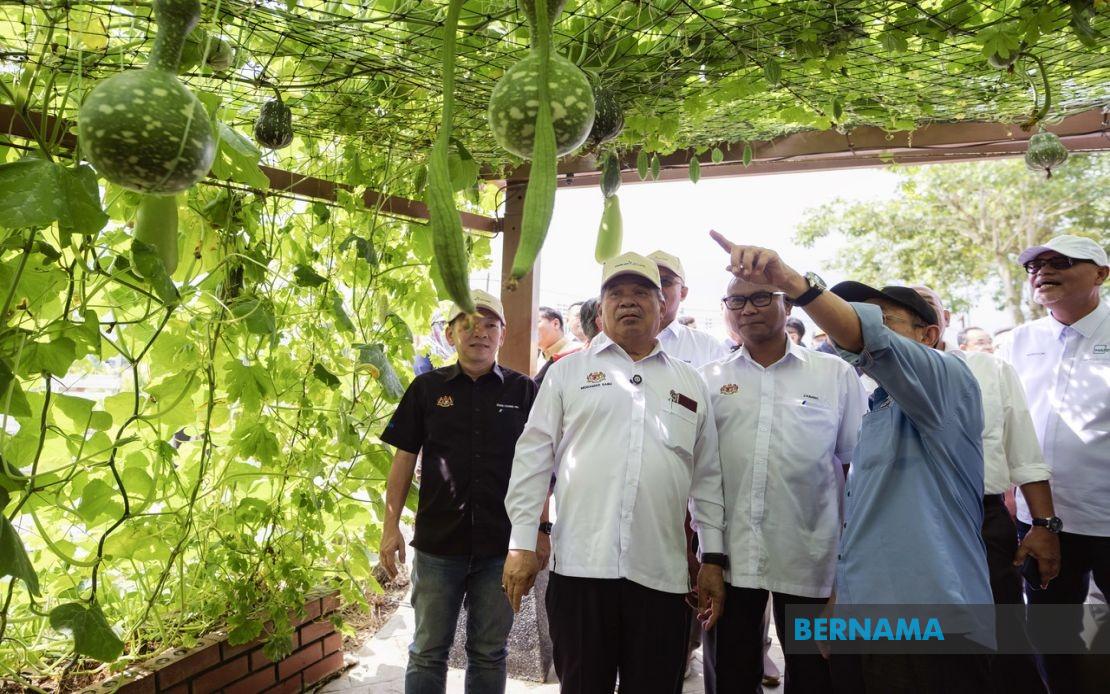
Malaysia's agriculture sector is preparing for one of its largest annual showcases, with the Malaysia Agriculture, Horticulture and Agrotourism Exhibition (MAHA) 2026 set to open on August 28 at the Malaysia Agro Exposition Park Serdang (MAEPS). Agriculture and Food Security Minister Datuk Seri Mohamad Sabu confirmed that preparations are approximately 80 percent complete, with final installation and setup work to be wrapped up by August 27, just a day before the exhibition welcomes the public. The minister expressed confidence during a media inspection tour that all major infrastructure work at the venue has concluded, leaving only finishing touches and the arrangement of exhibition items across various pavilions.
The focus of MAHA 2026 reflects a broader strategic direction within Malaysia's agricultural modernisation agenda. Under the overarching theme 'Penciptaan Nilai Demi Keterjaminan Makanan'—which translates to value creation for food security—the 10-day event from August 28 to September 6 will spotlight how technology and innovation are transforming traditional farming practices into highly efficient, automated systems. This positioning places Malaysia alongside global agricultural leaders, drawing parallels with the modernised farming operations already established in countries such as China and the Netherlands, where mechanisation and precision agriculture have become industry standards.
A significant portion of the exhibition space will be dedicated to showcasing cutting-edge agricultural technologies that are already gaining traction across Malaysia's farming communities. Modern machinery, autonomous vehicles, and unmanned aerial vehicles (drones) will feature prominently, particularly given their expanding role in cultivation of key crops such as paddy, pineapples, and melons. The inclusion of such technologies serves a dual purpose: it demonstrates to Malaysian farmers the practical applications and benefits of adopting these tools, while also positioning domestic agricultural producers as technologically sophisticated participants in regional and global markets.
Beyond machinery and hardware, MAHA 2026 places considerable emphasis on the agricultural value chain—a critical concept for developing economies seeking to maximise returns from their primary sectors. The exhibition will highlight opportunities for farmers and livestock breeders to move beyond the production of raw materials and engage in downstream processing and value-added manufacturing. Products such as dairy goods, processed pineapple goods, and cassava-based items exemplify how primary agricultural commodities can be transformed into diverse consumer products, creating employment opportunities throughout the supply chain and enabling local entrepreneurs to capture greater margins. Minister Mohamad stressed that farmers and producers must understand not only what they are growing, but also how they can participate in the subsequent stages of processing and distribution.
Culural heritage and family-oriented attractions form another pillar of the exhibition's programming. A dedicated cultural village called Perkampungan Abang Mat will operate throughout the 10-day period, featuring traditional communal cooking activities known as 'rewang', local food heritage demonstrations, and traditional cuisine preparations. Daily programming at the village is designed to provide variety and appeal to diverse visitor demographics, particularly attracting older Malaysians who may appreciate cultural and culinary nostalgia. Complementing these heritage activities are family-friendly games and entertainment options, including traditional pastimes such as congkak, which serve to position the exhibition as an intergenerational destination rather than a purely commercial or technical showcase.
The exhibition's economic significance extends beyond cultural programming into tangible visitor incentives and commercial opportunities. Daily lucky draws will distribute prizes including motorcycles (20 in total across the 10-day run) and electrical appliances, creating regular engagement opportunities for attendees. These promotional mechanisms are designed to sustain visitor interest and foot traffic throughout the duration of the event, particularly important given the ambitious projection of attracting more than four million visitors. This figure underscores the exhibition's status as one of Malaysia's premier agricultural events and indicates the depth of public interest in agricultural modernisation and rural development.
International participation at MAHA 2026 reflects the exhibition's growing regional and global profile. Approximately 2,000 exhibitors are expected to participate, with representatives from 14 countries bringing their own agricultural technologies, products, and expertise to the Malaysian market. Notably, Kenya will establish a pavilion at MAHA for the first time, expanding the exhibition's geographic diversity and introducing African agricultural perspectives to the Malaysian context. This international dimension creates bilateral opportunities for technology exchange and commercial partnerships, allowing participating nations to explore cooperation frameworks with Malaysia in agricultural research, innovation, and trade. The presence of foreign exhibitors signals to domestic stakeholders that Malaysian agriculture is increasingly interconnected with global supply chains and innovation networks.
Attraction of youth participation constitutes a strategic priority for the exhibition, with organisers targeting approximately 800,000 young visitors through programming focused on automation, technology, and agricultural modernisation. Minister Mohamad indicated that discussions are underway with the Education Ministry to facilitate school participation through co-curricular programmes, suggesting an intention to position MAHA 2026 as an educational institution-aligned event. Engaging students in agricultural innovation at an early stage may help address demographic challenges in the sector, where younger generations have historically shown reduced interest in farming careers. By showcasing technology-driven, high-value agricultural opportunities, the exhibition could influence youth perceptions of farming as a modern, intellectually engaging profession rather than a traditional or low-status occupation.
The opening ceremony will be officiated by Minister Mohamad, while Prime Minister Datuk Seri Anwar Ibrahim is scheduled to preside over the closing ceremony on September 6. This high-level political participation underscores the government's commitment to agricultural sector development and positions MAHA 2026 as a significant national event rather than merely an industry trade show. Prime ministerial attendance at the closing ceremony, in particular, signals the government's intent to use the exhibition as a platform for articulating agricultural policy achievements and future directions.
For Malaysian readers and regional observers, MAHA 2026 represents a critical moment in the nation's agricultural transition. The exhibition serves as both a marketplace for commercial transactions and a public relations platform communicating Malaysia's vision for a modernised, technology-enabled agricultural sector capable of competing globally whilst maintaining cultural and culinary traditions. The scale of preparation, diversity of programming, and international participation indicate that organisers view this year's edition as an opportunity to reshape public and investor perceptions of Malaysian agriculture—moving away from narratives of traditional, labour-intensive farming toward one of innovation-driven, capital-intensive, knowledge-based production. For farmers, entrepreneurs, policymakers, and youth considering agricultural careers, the exhibition provides crucial insights into the sector's future trajectory and the technologies and strategies that will define competitiveness in coming decades.

