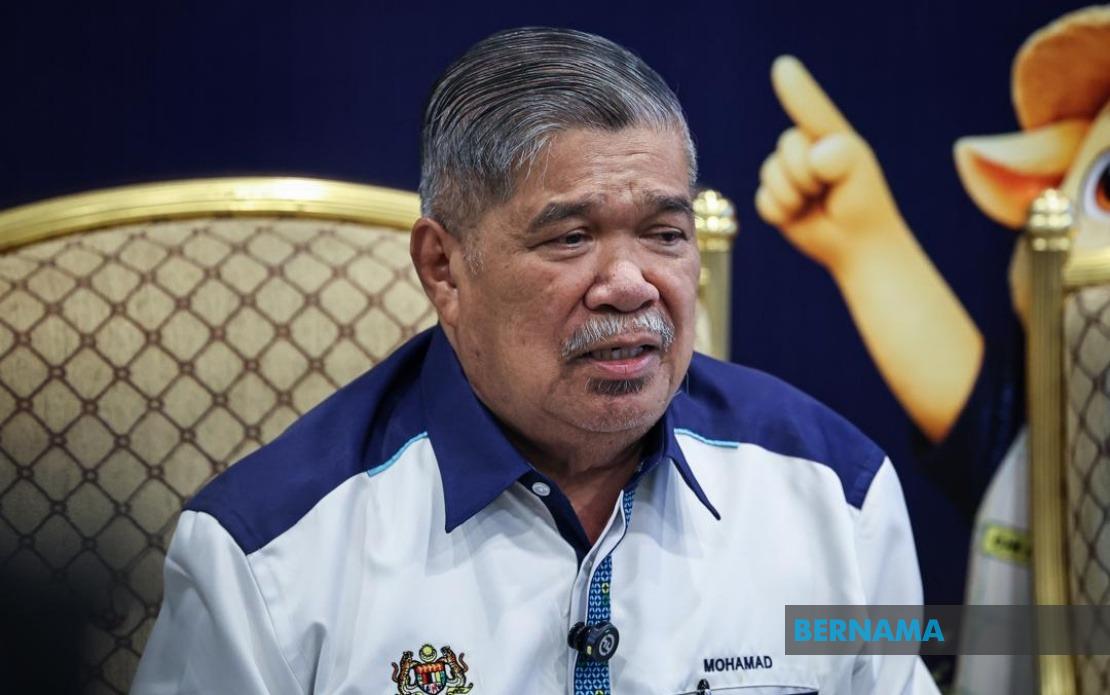
The Malaysia Agriculture, Horticulture and Agrotourism Show 2026 has opened at Malaysia Agro Exposition Park Serdang with organisers issuing health precautions as visitors navigate deteriorating air quality and weather conditions. Agriculture and Food Security Minister Datuk Seri Mohamad Sabu publicly encouraged attendees to consider wearing face masks during their visit, framing the recommendation as an essential safeguard for personal wellbeing during the ongoing haze episode affecting the region.
The timing of this advisory coincides with school holidays beginning on the day of the announcement, a period typically associated with significant increases in visitor traffic to major public events and attractions. Mohamad acknowledged this seasonal spike, noting that authorities anticipated substantially higher foot traffic as families utilise the holiday period for outings and recreational activities. The combination of increased visitor density, poor air quality, and uncomfortable temperatures created a convergence of health factors that prompted the ministry's cautionary stance.
Initial attendance figures demonstrated the event's substantial draw, with 140,000 visitors recorded during its first operational day. This strong opening suggested that the anticipated surge during holidays and weekends would likely materialise, potentially straining facilities and amplifying health concerns related to outdoor exposure. The scale of these numbers underscores MAHA 2026's significance as a major agricultural and tourism fixture within Malaysia's calendar of national events.
The nine-day exhibition, which runs through September 6, operates under the theme "Penciptaan Nilai Demi Keterjaminan Makanan"—roughly translating to value creation for food security assurance. This thematic framework reflects Malaysia's ongoing emphasis on self-sufficiency and agricultural resilience in food production. The event assemblage brings together approximately 2,000 exhibitors representing diverse agricultural sectors, from horticulture to agrotourism enterprises, creating a comprehensive marketplace for industry participants and consumers alike.
Organisers project visitor totals exceeding four million across the event's duration, a testament to MAHA's status as one of Malaysia's premier agricultural showcases. This projection carries implications for infrastructure planning, crowd management, and public health coordination, particularly given the environmental challenges present during the exhibition period. The ministry's decision to issue health guidance reflects awareness of the risks posed by sustained outdoor exposure to haze particles, which can irritate respiratory systems and exacerbate existing health conditions.
Beyond the health advisory, the ministry capitalised on MAHA 2026's prominence by leveraging the venue for national commemorations. Officials announced a Merdeka Eve celebration scheduled for August 30 at 11:30 pm, featuring drone and fireworks displays that would utilise the exposition park's spatial advantages. This programming decision illustrates how major event platforms serve dual purposes—simultaneously functioning as commercial and cultural venues within Malaysia's national calendar.
The presence of Deputy Agriculture and Food Security Minister Datuk Chan Foong Hin and the ministry's Secretary-General Datuk Seri Isham Ishak at the opening ceremony underscored the government's formal commitment to the exhibition. Such high-level attendance signals institutional prioritisation of the agricultural sector and recognition of MAHA's role in promoting industry visibility and public engagement with farming and food production.
From a broader Southeast Asian context, Malaysia's management of environmental challenges during major public events reflects regional trends in balancing economic activity with public health protection. The haze phenomenon, which periodically affects Malaysia and neighbouring countries, necessitates adaptive planning for outdoor gatherings. Event organisers across the region increasingly incorporate air quality considerations into operational protocols, recognising that transboundary pollution requires proactive health communication strategies.
The face mask recommendation also signals changing attitudes toward public health messaging in Malaysia. Rather than imposing mandatory requirements, authorities opted for encouragement framed around voluntary personal responsibility. This approach reflects post-pandemic shifts in how governments communicate health guidance, moving toward advisory models that respect individual agency while providing clear health rationale. Such messaging proves particularly relevant for family-oriented events where children comprise substantial portions of attendees.
The agricultural sector's prominence in MAHA 2026 carries economic implications worthy of note. By drawing over four million visitors to an exhibition featuring 2,000 agricultural businesses, the event generates significant market exposure and networking opportunities for farmers, agribusinesses, and agrotourism enterprises. This visibility supports Malaysia's broader agricultural development objectives while demonstrating consumer interest in farming, food production, and rural tourism—sectors increasingly vital to rural economic sustainability.
For visitors planning attendance during the school holiday period or weekend dates, the health advisory presents practical considerations beyond the immediate comfort factor. Face mask usage recommendations acknowledge that air quality fluctuations may vary throughout exhibition hours and across different sections of the sprawling exposition park. Attendees seeking to maximise their experience while minimising health risks should factor such guidance into their visit planning, particularly families with elderly members or individuals with respiratory sensitivities.

