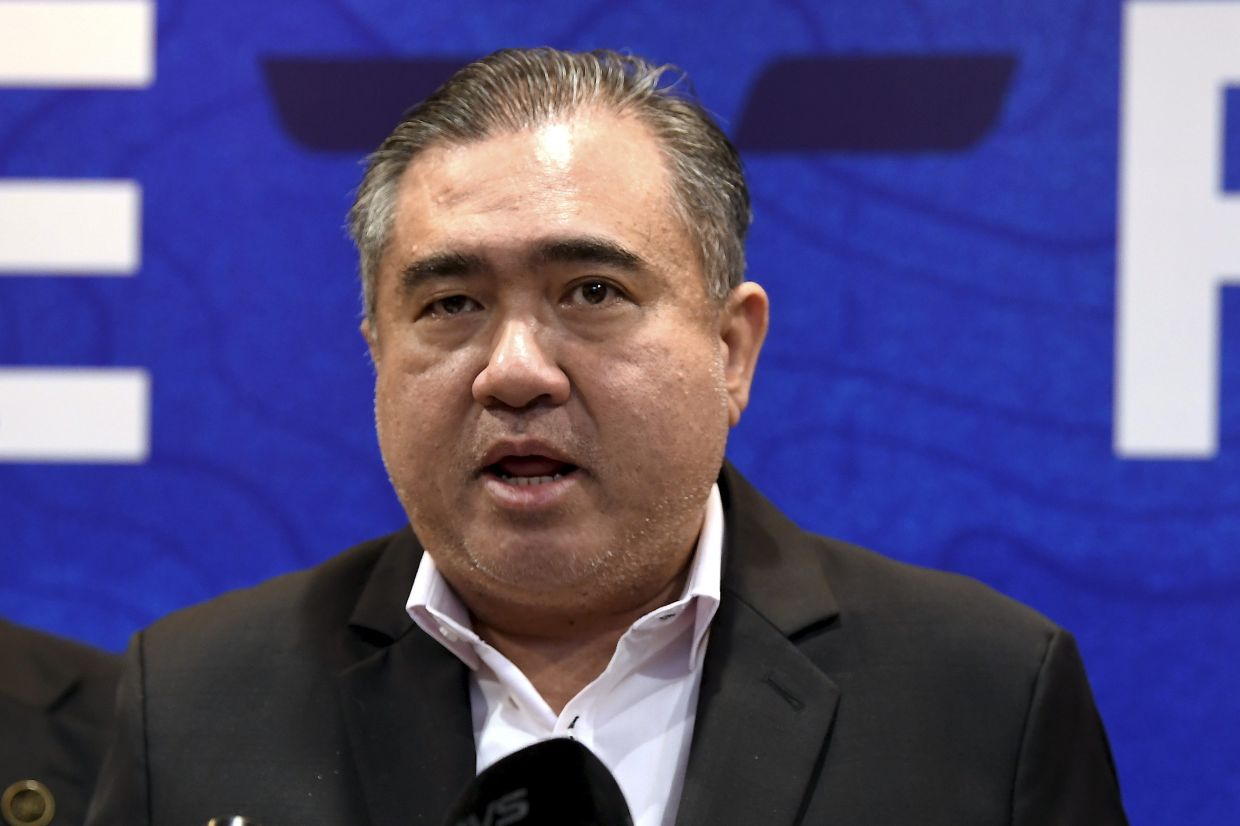
Malaysia Airports (MAHB) and Mitsui Fudosan (Asia) Malaysia have begun work on a RM80 million air cargo logistics complex at Subang Airport, marking a significant step in the country's strategy to develop world-class aviation infrastructure. Transport Minister Anthony Loke Siew Fook inaugurated the project this week, underscoring the government's commitment to transforming Malaysia into a regional aviation hub through strategic partnerships with international operators who bring proven expertise and operational excellence.
The joint venture, MFMA Industrial Sdn Bhd, will develop and manage the facility within Subang Aerotech Park, a move designed to unlock the value of Malaysia Airports' extensive land holdings while mitigating operational and financial risks through collaboration with a seasoned international partner. Mitsui Fudosan brings substantial credentials to the project, having successfully developed and operated multiple logistics facilities at major Asian hubs including Tokyo's Haneda Airport, one of the world's busiest aviation centres. Minister Loke emphasized this international expertise as crucial to ensuring the complex meets global standards and operational benchmarks.
The 1.78-hectare facility will house approximately 254,420 square feet of gross floor area across multiple tenancy configurations, designed to accommodate the diverse needs of maintenance, repair and overhaul (MRO) operators as well as general logistics businesses serving the aviation sector. This flexibility reflects market demand within the Klang Valley, where established aerospace and aviation enterprises have created a critical mass of related industries. The complex's strategic location immediately adjacent to Subang Airport provides tenants with direct operational advantages, particularly for time-sensitive aircraft servicing and cargo handling operations.
Minister Loke's broader vision for Malaysia's air cargo sector extends far beyond Subang, reflecting recognition that regional competition for cargo traffic is intensifying. The government is simultaneously pursuing expansion at multiple key gateways, including Kuala Lumpur International Airport and Kota Kinabalu International Airport, each targeted at different strategic objectives. This multi-hub approach acknowledges Malaysia's geographic position and comparative advantages across different regions, rather than concentrating infrastructure investment in a single location.
Penang's dominance of Malaysian air cargo volumes, accounting for roughly 75 percent of national throughput, underscores the semiconductor sector's outsized importance to national logistics infrastructure requirements. The island's position as a global manufacturing hub for semiconductors has made it the country's primary air cargo gateway, a reality that shapes national strategic planning. However, this concentration also represents vulnerability, as supply chain disruptions or capacity constraints at Penang would have disproportionate economic consequences across Malaysia's electronics industry.
The government is positioning KLIA as ASEAN's regional air cargo distribution centre through collaborative initiatives with China, a strategic move reflecting Beijing's growing role in Southeast Asian logistics networks and Malaysia's geographic centrality. This approach seeks to attract international cargo operators who require a hub serving the broader region rather than just Malaysia, thereby generating higher volumes and more competitive freight rates for Malaysian users. Successfully establishing KLIA as a true regional hub would generate significant economic spillovers throughout the Klang Valley and Malaysia's manufacturing sector.
Kota Kinabalu's development as a secondary air cargo hub through the conversion of Terminal 2 represents a longer-term infrastructure investment reflecting the Sabah government's economic diversification priorities. The East Malaysian state has been actively seeking manufacturing investment and supply chain opportunities, and air cargo connectivity is essential to attracting industries requiring rapid access to regional and international markets. This project demonstrates how federal transport policy increasingly recognises the importance of developing complementary regional capacity rather than creating bottlenecks at a single point.
The Subang complex is scheduled for completion in the third quarter of 2027, with operational commencement targeted for the final quarter of that year. This timeline reflects both the complexity of developing airport-adjacent industrial facilities and the time required to build the customer relationships and marketing presence necessary for successful operations. The project's phased completion will allow for early tenant recruitment and operational planning, potentially enabling partial occupancy before full handover.
The presence of Embassy of Japan Minister Daisuke Nihei at the ceremony highlights the political importance placed on the initiative, reflecting Japan's substantial interest in Malaysian infrastructure development and Mitsui Fudosan's role as a strategic investment vehicle for Japanese corporate interests in Southeast Asia. The participation of MAHB managing director Datuk Mohd Izani Ghani and Mitsui Fudosan managing director Masayoshi Saito underscored the operational focus of all parties involved.
For Malaysian businesses operating within the aviation supply chain, the Subang facility addresses a genuine infrastructure gap, providing specialised MRO and logistics space designed specifically for aircraft-related operations rather than generic industrial uses. The complex represents not merely a real estate development but rather a key component of Malaysia's attempt to retain and attract higher-value aviation sector activities that generate employment and technology transfer. Success will depend on competitive pricing relative to facilities in neighbouring countries and the quality of service delivery by operating partners.
The project also reflects shifting approaches to airport development in Malaysia, where partnerships with private international operators increasingly complement or replace purely government-led initiatives. This model has proven effective elsewhere in Asia, where major airports have created dynamic ecosystems combining passenger facilities, cargo operations, maintenance facilities and ancillary services. MAHB's strategic deployment of its land assets through partnerships addresses budget constraints while introducing best practices and management expertise that might otherwise require years of independent development.
For the broader Malaysian economy, the Subang complex contributes to a coherent national strategy addressing air cargo as a strategic advantage requiring sustained investment and infrastructure development. As regional competition intensifies, particularly from Singapore's Changi Airport and Bangkok's Suvarnabhumi, Malaysia's ability to offer competitive, modern facilities at multiple locations will increasingly determine its share of regional air cargo traffic. The Subang project, despite its RM80 million investment, represents just one component of a much larger national infrastructure modernisation agenda essential to maintaining Malaysia's relevance as a supply chain hub.

