The recent arrest of a Malaysian airline pilot in Indonesia on drug smuggling allegations has prompted Malaysia Airports Holdings Bhd (MAHB) to reaffirm its dedication to safeguarding the country's borders against illegal activities. The 39-year-old pilot was detained on July 29 after authorities discovered approximately 70,114 ecstasy pills and four grammes of methamphetamine in his possession upon arrival, valued at roughly Rp60 billion. Indonesian investigators have indicated the suspect may have been involved in multiple smuggling operations and potentially connected to a larger international drug trafficking network, prompting ongoing investigations to identify associates and determine the ultimate destination of the seized substances.
In response to the incident, MAHB has committed to providing full assistance to relevant authorities while maintaining close coordination with multiple government agencies. The airport operator emphasised that its cooperation extends across the full spectrum of border security operations at Kuala Lumpur International Airport, where it works alongside law enforcement to prevent unlawful activities that could compromise both national security and aviation safety. This multi-agency framework represents the institutional foundation through which Malaysia attempts to prevent criminal networks from exploiting its aviation infrastructure for illicit purposes.
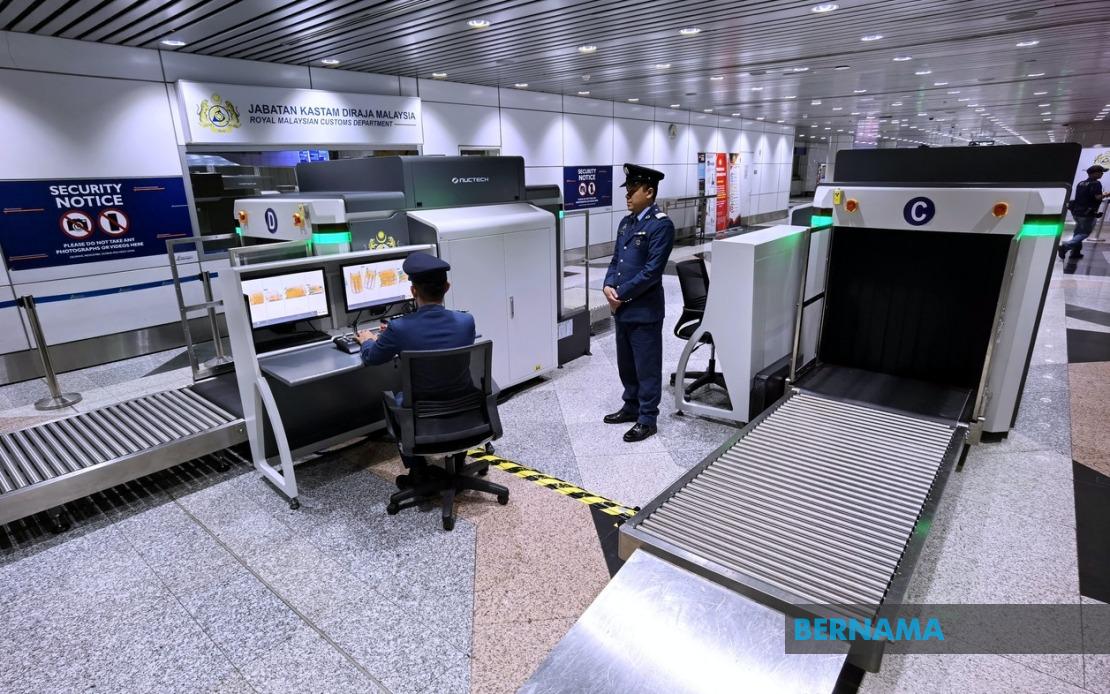
The airport operator's Aviation Security (AVSEC) division maintains primary responsibility for identifying and preventing threats to civil aviation, deploying sophisticated screening infrastructure designed to detect explosives, weapons, and other materials that could endanger aircraft and passengers. However, MAHB clarified an important distinction in the division of security labour: while AVSEC focuses on aviation-specific threats, the detection and investigation of narcotics offences falls squarely within the mandate of civilian law enforcement authorities. This delineation between aviation security and general law enforcement reflects the complex jurisdictional landscape that governs airport operations throughout Southeast Asia.
The Royal Malaysia Police and the Royal Malaysia Customs Department bear primary responsibility for investigating drug-related offences at KLIA, while the Department of Wildlife and National Parks addresses trafficking in protected species. These agencies operate within established legal frameworks and conduct their respective investigations according to defined enforcement protocols. MAHB's role has been characterised as supportive rather than investigative, with the airport operator facilitating information exchange and operational coordination rather than conducting independent narcotics enforcement. Between January and July of this year alone, KLIA's AVSEC team worked alongside police to intercept more than thirty separate attempts to smuggle controlled substances through the airport, demonstrating the ongoing prevalence of drug trafficking activity at Malaysia's premier aviation hub.
The structural separation between aviation security and drug enforcement reflects international best practices established by organisations such as the International Civil Aviation Organization. Aviation security specialists are trained to identify materials and methods that pose direct threats to flights and passengers, whereas narcotics detection requires expertise in drug chemistry, trafficking networks, and criminal investigation techniques. However, this division of labour does not represent a security gap; rather, it creates specialised capability concentrated within agencies whose core competency lies in each respective domain. MAHB's baggage handling systems at KLIA incorporate multiple screening checkpoints and advanced detection technologies calibrated to meet international aviation security standards, and all checked baggage—whether belonging to passengers or airline crew—undergoes mandatory security screening before departure.
The arrest of the Malaysian pilot has prompted the Civil Aviation Authority of Malaysia (CAAM) to initiate a regulatory investigation to assess whether proper aviation security protocols were followed throughout the incident. CAAM chief executive officer Datuk Capt Norazman Mahmud indicated the investigation would examine the airline's compliance with aviation security requirements as well as the airport operator's screening and baggage handling procedures. This regulatory review represents standard practice following any significant security incident at a major airport and serves to identify potential procedural gaps or implementation failures that could be remedied to prevent recurrence.
For Malaysian aviation stakeholders and airport operators across the region, the incident underscores the persistent challenges posed by organised drug trafficking networks that view commercial aviation as a viable smuggling corridor. The sophistication of such operations—involving pilots with direct access to aircraft and legitimate reasons to carry luggage—poses particular difficulties for conventional security screening. Criminals leverage the structural vulnerabilities inherent in aviation operations, particularly the volume of legitimate cargo and crew baggage processed daily through major hubs, to obscure illicit shipments within the flow of lawful goods.
The international dimensions of this case hold particular significance for Southeast Asia, where drug trafficking networks frequently exploit the region's major transportation nodes to move narcotics between production and consumption centres. Indonesian authorities' indication that the suspect may be linked to a broader trafficking syndicate suggests connections that potentially extend beyond Malaysia and Indonesia, possibly involving supply routes from countries such as Thailand or Myanmar where narcotics production remains endemic. The coordination between Malaysian and Indonesian authorities in apprehending and investigating the suspect demonstrates the transnational nature of modern drug enforcement and the necessity for bilateral cooperation.
MAHB's commitment to supporting enforcement agencies represents a necessary acknowledgment that private airport operators cannot combat organised crime independently. While MAHB can and should maintain robust security systems and facilitate information sharing, the actual investigation and prosecution of trafficking offences requires the investigative powers, legal authority, and criminal intelligence capabilities that only government agencies possess. The partnership model embraced by MAHB aligns with international standards and reflects the reality that aviation security and border protection require coordinated efforts across multiple institutional actors with distinct but complementary responsibilities.
Looking forward, the incident may prompt refinements to screening procedures and information-sharing protocols between MAHB, law enforcement, customs, and aviation authorities. Enhanced intelligence sharing about suspicious patterns in crew baggage handling, monitoring systems for detecting unusual behaviour among airline personnel, and closer vetting procedures for flight crew represent potential areas for procedural improvement. However, any such enhancements must balance security objectives against operational efficiency, as excessive screening of crew and cargo can create bottlenecks that compromise the smooth functioning of a major international airport.
The case also highlights the vulnerability of Malaysia's aviation sector to exploitation by criminal networks, a concern shared across Southeast Asian hub airports including Changi in Singapore, Suvarnabhumi in Thailand, and others that process enormous volumes of international traffic daily. For Malaysia specifically, the prominence of KLIA as a major regional hub and its status as an international aviation node means it faces constant pressure from trafficking organisations seeking to exploit its connectivity and capacity. The commitment MAHB has articulated to continued enforcement cooperation and security investment will be critical to maintaining KLIA's operational integrity and preventing its reputation from being compromised by smuggling activities.

