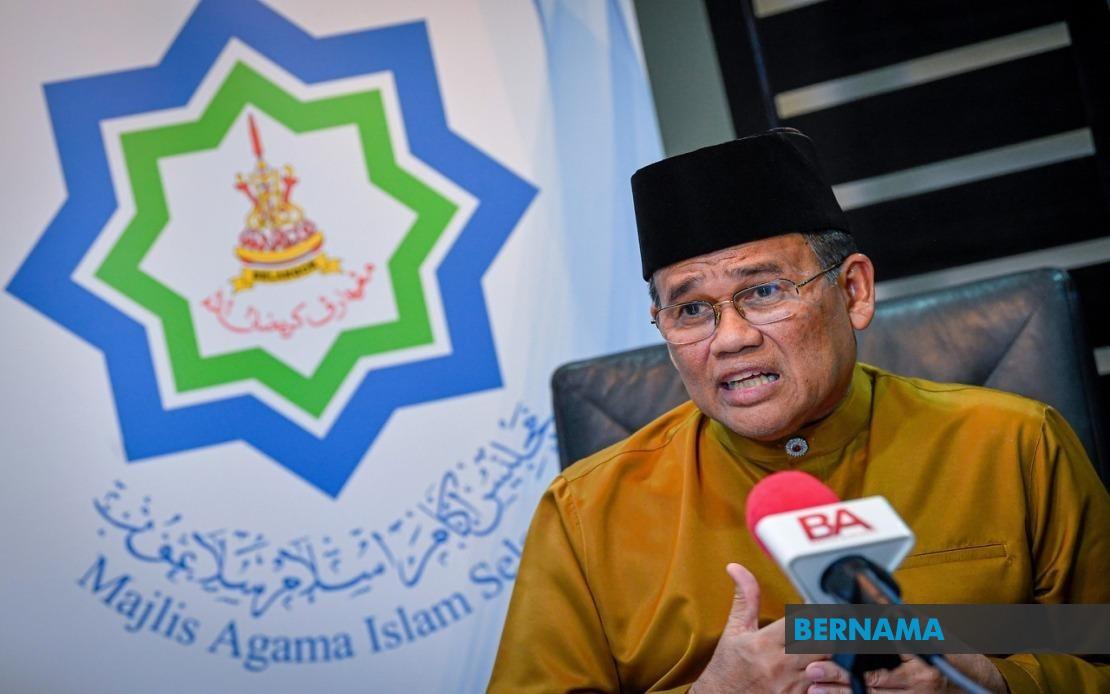
The Selangor Islamic Religious Council (MAIS) is moving swiftly to address mounting concerns over delayed funeral procedures after what appears to be a significant administrative breakdown at the Ukay Perdana Muslim Cemetery in Hulu Kelang. The council has arranged an emergency gathering bringing together the deceased's family, representatives from Masjid Nurul Hidayah in Kampung Pandan Dalam, the Salatulrahim Welfare Organisation (BKS), and officials from the Selangor Islamic Religious Department (JAIS) to tackle the underlying causes of the incident and chart a path forward for all affected parties.
MAIS chairman Datuk Salehuddin Saidin framed the meeting as a critical opportunity to find common ground whilst preventing any recurrence of similar problems. The urgency of the intervention underscores the sensitive nature of the matter, as delays in Islamic burial procedures can cause profound distress to grieving families and raise serious questions about the governance of funeral services in the state. By convening stakeholders directly, MAIS is demonstrating its commitment to transparency and collaborative problem-solving in a domain where religious sensitivities and family dignity are paramount.
The council extended formal condolences to the affected family, acknowledging the particular anguish of experiencing administrative complications during what is already an emotionally turbulent period. This sympathetic stance signals that MAIS recognises the human dimension of the crisis beyond the purely procedural failings. The statement emphasised that the family's ordeal—navigating bureaucratic obstacles whilst mourning—represents a failure of the systems designed to support them through Islamic funeral observances.
Salehuddin pledged that MAIS would pursue accountability rigorously once police investigations conclude. He indicated that consequences would follow for any party found culpable, whether their errors stemmed from deliberate wrongdoing, careless management, or simple miscommunication between the various organisations involved. This multilayered framing suggests that the council is keeping its investigative aperture wide open, acknowledging that institutional failures often stem from coordination breakdowns rather than malicious intent alone.
The involvement of three separate police reports filed by the mosque management, the family, and the BKS indicates the complexity of assigning responsibility. Rather than rushing to judgment, MAIS has essentially asked authorities to conduct their inquiries without political or institutional pressure, creating space for an impartial assessment of where accountability lies. This restraint, whilst potentially frustrating to those seeking immediate answers, reflects a measured approach to institutional integrity in religious affairs.
A particularly significant aspect of MAIS's response involves its commitment to reviewing funeral and burial administration across all mosque managements in Selangor. This systemic examination suggests the council recognises that the Ukay Perdana incident may represent broader weaknesses in how Muslim burial services are coordinated and executed. By initiating a comprehensive audit rather than treating this as an isolated aberration, MAIS is positioning itself as proactive rather than reactive, potentially preventing future incidents that could undermine public confidence in Islamic institutional structures.
For Malaysian Muslims across the peninsula, the burial process occupies profound spiritual and cultural significance. Islamic law stipulates specific timelines and procedures, with most Muslim-majority societies aiming for burial within 24 hours of death. When cemetery management, mosque coordination, and welfare organisations fail to synchronise effectively, the consequences extend beyond administrative inconvenience to constitute a breach of religious obligation. The Selangor incident thus raises uncomfortable questions about whether mosque management committees and cemetery operators possess adequate training, resources, and oversight mechanisms to fulfil their custodial responsibilities.
The council's appeal for the Muslim community to maintain unity and brotherhood (ukhuwah) whilst differences are being resolved carries implicit recognition that such incidents risk fracturing communal trust. When core religious services falter, believers may question whether institutional Islam is adequately serving their needs. By emphasising solidarity rather than blame, MAIS is attempting to preserve social cohesion whilst still pursuing necessary institutional reforms.
From a governance perspective, the incident illuminates the fragmentation of responsibility in Malaysia's Islamic affairs architecture. Multiple organisations—the mosque, the cemetery operator, the welfare body, JAIS, and MAIS itself—each play roles in the burial process, but the absence of clear hierarchical authority or integrated management systems creates opportunities for miscommunication and oversight. The proposed review of funeral procedures may therefore represent an important step toward streamlining what has evidently become an insufficiently coordinated system.
The Ukay Perdana situation also carries implications for Malaysian Islamic administration more broadly. If the most populous Muslim-majority state in the peninsula cannot ensure smooth funeral operations, questions arise about the readiness of its religious institutions to manage larger-scale emergencies or demographic pressures. Population growth, urbanisation, and increasingly diverse family structures may all strain existing cemetery and funeral management frameworks that were designed for different social contexts.
Moving forward, the outcome of the police investigation and MAIS's subsequent review will signal whether Malaysian Islamic institutions can undertake meaningful self-correction. The willingness of the council to examine systemic vulnerabilities rather than merely disciplining individual actors suggests an institutional maturity that could strengthen public confidence. However, implementation will prove crucial—commitments to improvement mean little unless accompanied by concrete policy changes, staff training, resource allocation, and accountability mechanisms.
For families facing funeral arrangements in Selangor, the immediate impact depends on whether the urgent meeting produces swift procedural clarifications and whether mosque managements receive clearer guidance on their obligations. The longer-term implications concern whether Malaysia's Islamic bureaucracy can maintain the public trust essential to its legitimacy by demonstrating that it learns from failures and adapts accordingly.

