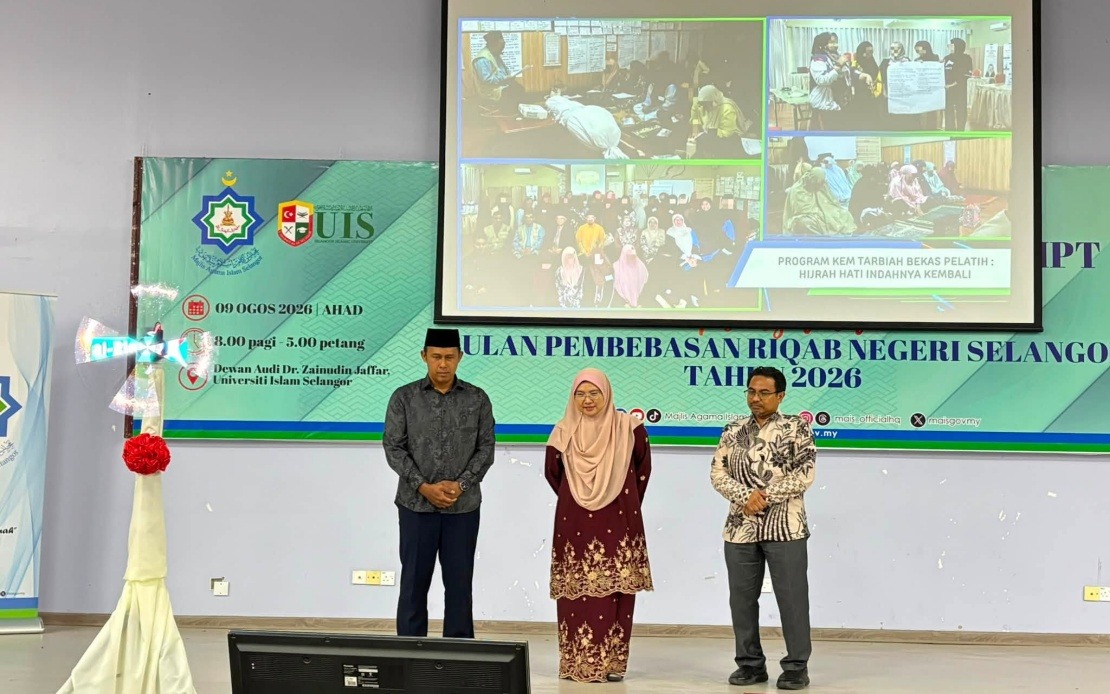
The Selangor Islamic Religious Council (MAIS) has emerged as a significant institutional force in addressing complex social welfare challenges within the state, having channelled over RM17 million in zakat collections during the previous financial year to support 13,945 individuals classified as asnaf riqab. This substantial commitment reflects a growing recognition among Malaysian Islamic authorities that rehabilitation and prevention efforts require sustained financial resources and coordinated institutional support, particularly for vulnerable populations facing intersecting social and spiritual difficulties.
The deployment of these funds operates across a diversified network of welfare infrastructure, with MAIS leveraging both government-operated and community-based facilities to deliver comprehensive assistance. The council administers three dedicated rehabilitation homes alongside 24 additional rehabilitation centres throughout Selangor, creating a distribution system capable of reaching individuals across both urban and semi-rural areas. Through these channels, zakat allocations support multiple intervention modalities including structured rehabilitation programmes, vocational training initiatives, professional counselling services, and direct welfare assistance to residents within these facilities.
The acceleration of support during the current year demonstrates heightened institutional commitment to addressing this constituency. Between January and June 2026, MAIS extended assistance to 1,656 individuals from the asnaf riqab community, allocating RM4.1 million during this six-month window. This trajectory, if maintained, suggests annualised spending could substantially exceed the previous year's RM17 million figure, indicating either increased funding availability or elevated prioritisation within MAIS's zakat distribution framework. The organisation has simultaneously expanded its human resource deployment by appointing 213 specialised guides tasked with providing individualised spiritual and social mentorship.
Understanding the scope of asnaf riqab requires appreciating the nuanced theological and social framework that Malaysian Islamic authorities have constructed. This category encompasses individuals experiencing substance addiction, those navigating LGBT-related life circumstances, and Muslims whose religious observance has significantly diverged from conventional Islamic practice—a classification formally established through a 2012 fatwa. This definitional approach reflects institutional acknowledgement that social rehabilitation cannot be divorced from faith-based rehabilitation, positioning religious guidance as integral to holistic recovery processes rather than peripheral to primarily clinical interventions.
The launching of Riqab Liberation Month Campaign 2026, operating throughout August, signals MAIS's commitment to public engagement and destigmatisation efforts surrounding this population. Rather than maintaining rehabilitation as a purely administrative function operating outside public consciousness, the campaign strategically leverages awareness-raising to mobilise community participation. Scheduled activities encompassing forum discussions, educational seminars, guidance programmes, and structured information dissemination represent institutional efforts to reframe social perceptions and encourage broader stakeholder investment in rehabilitation outcomes.
For Malaysian policymakers and civil society observers, MAIS's approach offers important insights into how religious institutions can translate theological commitments into sustained welfare infrastructure. The engagement of 213 dedicated guides suggests recognition that professional intervention models require cultural and spiritual credibility to function effectively within religious communities. These individuals potentially serve dual roles: providing practical case management while simultaneously embodying religious authority that validates rehabilitation processes within participants' worldviews.
The financing mechanism itself warrants attention from Malaysian public administration perspectives. Zakat channelling specifically toward asnaf riqab represents deliberate reallocation of religious tax resources toward social categories that conventional welfare frameworks sometimes marginalise. This allocation demonstrates how Islamic institutional structures can address social needs that government welfare systems may incompletely serve, particularly regarding individuals whose circumstances intersect multiple vulnerabilities. The annual RM17 million commitment, while substantial, simultaneously illustrates potential funding limitations when distributed across thousands of individuals requiring intensive, sustained intervention.
From a Southeast Asian comparative standpoint, Selangor's institutional approach reflects broader regional patterns whereby Islamic authorities increasingly assume expanded social welfare responsibilities beyond traditional religious functions. The sophistication of MAIS's rehabilitation infrastructure—combining government facilities, community partnerships, professional counselling, and spiritual mentorship—mirrors approaches developed in other Muslim-majority jurisdictions facing comparable social challenges. This convergence suggests emerging standardisation in how Islamic institutions conceptualise and operationalise rehabilitation for populations experiencing compound social difficulties.
The campaign's emphasis on information accessibility through digital platforms recognises contemporary communication patterns while maintaining institutional control over message framing. By directing public inquiries toward official MAIS social media channels and websites, the council manages narrative consistency and ensures interventions reach suitable candidates through filtered pathways rather than unmediated public access. This strategic communication approach reflects sophisticated understanding of how institutional credibility translates into programme effectiveness, particularly when working with individuals who may harbour suspicions toward mainstream institutions.
Looking forward, the trajectory of MAIS's asnaf riqab programming will merit continued monitoring as an indicator of how Malaysian Islamic institutions navigate evolving social complexities. The organisation's willingness to allocate substantial resources toward individuals experiencing LGBT circumstances—a sensitive political terrain in Malaysian public discourse—demonstrates institutional capacity for nuanced engagement beyond polarised public positions. This distinction between institutional welfare practice and broader political rhetoric illuminates how religious authorities sometimes operate pragmatically within their constituencies while maintaining different public posturing.
The sustainability of these programmes ultimately depends upon zakat revenue stability and ongoing institutional prioritisation. As Selangor's economic performance fluctuates and competing welfare demands evolve, MAIS's capacity to maintain per-capita support levels will face pressure. Expansion to serve additional individuals requires proportional resource increases, yet zakat collections remain vulnerable to economic cycles. The current momentum in asnaf riqab programming thus represents a policy moment that Malaysian observers should understand as reflecting contemporary institutional capacity rather than permanent baseline commitments, necessitating ongoing advocacy for sustained funding and systemic integration of rehabilitation services into broader social protection frameworks.

