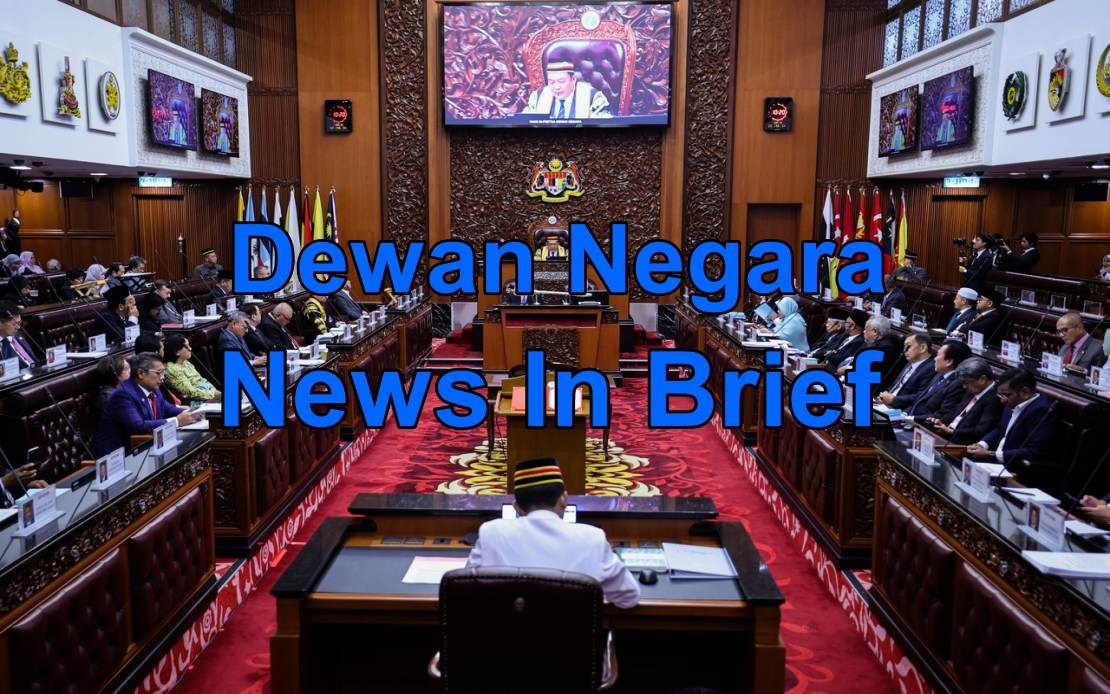
Malaysia's government has escalated its response to the El Nino phenomenon by conducting 35 cloud seeding operations across strategic locations between February and June, marking a coordinated effort to protect water resources and mitigate the effects of prolonged dry spells. Deputy Natural Resources and Environmental Sustainability Minister Syed Ibrahim Syed Noh disclosed these figures during parliamentary proceedings, underscoring the nation's proactive approach to climate adaptation in an era of increasingly unpredictable weather patterns.
The cloud seeding initiative represents a multi-agency collaboration involving the National Disaster Management Agency and the Royal Malaysian Air Force, operating within specific atmospheric conditions to maximise effectiveness. These operations serve a dual purpose: boosting rainfall to elevate water levels at critical reservoirs and simultaneously reducing the severity of haze episodes that periodically affect the region. For a water-stressed nation heavily dependent on monsoon cycles and reservoir capacity, this intervention addresses immediate supply concerns whilst acknowledging the broader climate volatility expected to persist through 2027.
Beyond cloud seeding, the government faces complementary challenges of food security and public health protection during El Nino periods. The meteorological intervention strategy, though scientifically sound, forms only one component of a comprehensive adaptation framework that policymakers must develop to shield vulnerable populations from drought-related economic disruption. The acknowledgment of El Nino impacts extending into 2027 suggests government planners are preparing for sustained climatic stress rather than temporary anomalies.
On the economic front, Malaysia's Progressive Wage Policy has exceeded initial expectations, delivering measurable gains to workers across the employment spectrum. The initiative achieved a 15.79 per cent increase in median wages for entry-level workers, lifting monthly earnings from RM1,900 to RM2,200 among 51,363 beneficiaries, according to Economy Minister Akmal Nasrullah Mohd Nasir. This trajectory surpassed the original target of 50,000 participating workers, indicating broader adoption among employers than anticipated.
The wage improvements extend beyond entry-level positions, with non-entry-level workers experiencing a 10.86 per cent median increase from RM2,199.15 to RM2,438 monthly. Such across-the-board gains suggest the policy framework successfully creates upward wage pressure without triggering widespread employer resistance. The participation of 4,025 employers reflects substantial buy-in from Malaysia's private sector, a critical factor determining policy sustainability and replicability.
Government commitment to the Progressive Wage Policy extends through 2027 via a RM300 million allocation, signalling confidence in the initiative's long-term viability. Planners are now preparing a comprehensive impact assessment to evaluate expansion possibilities, recognising that wage-setting mechanisms addressing low-income workers could reshape labour market dynamics across Southeast Asia's manufacturing and service sectors. Malaysia's experience may offer valuable lessons for neighbouring economies grappling with cost-of-living pressures and wage stagnation.
In cultural affairs, the government has signalled openness to recognising Malaysian Tamil music and songs as national heritage under the 2005 National Heritage Act. Tourism, Arts and Culture Deputy Minister Chiew Choon Man outlined the formal process required, emphasising that artistic, cultural and historical significance must be rigorously documented and evaluated before official designation. This pathway acknowledges Malaysia's multicultural composition whilst establishing transparent criteria for heritage recognition.
The potential elevation of Tamil musical traditions reflects broader efforts to institutionalise recognition of minority cultural contributions within national frameworks. Tamil music's integration into Malaysia's cultural canon through heritage legislation would validate historical narratives often marginalised in mainstream national discourse. The requirement for formal research and documentation processes ensures that heritage recognition rests on scholarly foundations rather than political expedience.
Meanwhile, the government is reviewing the financial mechanics of the Sumbangan Asas Rahmah initiative, a cash assistance programme funded indirectly through a one per cent merchant discount rate imposed on participating retailers. Finance Minister II Datuk Seri Amir Hamzah Azizan disclosed that the government regularly evaluates whether this charge unduly burdens small traders, a concern reflecting awareness that cost-sharing mechanisms can inadvertently disadvantage the very merchants serving low-income communities. The MDR revenues channelled to Yayasan MyKasih cover operational expenses including system development, merchant training and complaint resolution.
The SARA programme exemplifies the tension between funding assistance programmes sustainably and protecting small business viability. By extracting costs from merchant transactions rather than general taxation, policymakers shift the financial burden to retailers who may lack negotiating power against the discount imposition. Regular reviews signal governmental acknowledgment that sustainability must balance against equity, ensuring assistance reaches intended beneficiaries without creating perverse incentives that reduce merchant participation or service availability in underserved communities.
Collectively, these parliamentary disclosures reveal a government simultaneously addressing climate resilience, economic inequality and cultural recognition. The initiatives span different timeframes—climate adaptation through 2027, wage growth through progressive policy implementation, and heritage preservation through legislative processes—yet share common objectives of managing transitions in a rapidly evolving regional context. Malaysia's multi-faceted approach demonstrates recognition that sustainable development requires simultaneous attention to environmental, economic and social dimensions.
For Malaysian stakeholders and regional observers, these policies suggest a government acknowledging that business-as-usual approaches prove inadequate for contemporary challenges. Cloud seeding, wage-setting intervention and cultural heritage protection represent different policy instruments addressing distinct market failures and social objectives. Their cumulative impact depends critically on implementation fidelity, resource allocation and political durability beyond parliamentary announcements.

