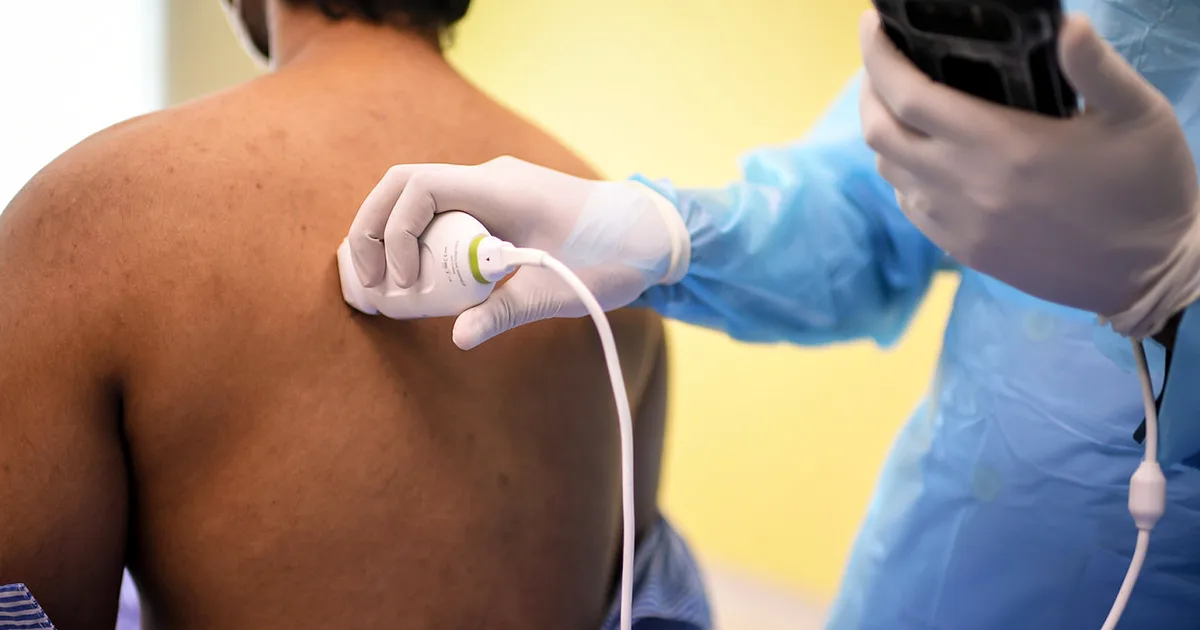
Malaysia has set its sights on capturing RM50 billion in medical technology exports annually by the end of the decade, signalling a strategic pivot towards higher-value manufacturing and innovation-driven growth. Deputy Prime Minister Zahid Hamidi articulated this aspiration as part of a broader economic repositioning, one that seeks to move the nation beyond its traditional role as a contract manufacturer for foreign companies and towards becoming a generator of proprietary technology and intellectual property in the medical devices and biotechnology sectors.
The shift reflects growing recognition among Malaysian policymakers that sustained competitive advantage in global healthcare markets requires more than efficient production facilities and skilled labour. Instead, the government is championing a development model where Malaysian companies conceive, design, and own the technologies they produce. This represents a fundamental reorientation from the assembly-line mentality that has characterised much of Malaysia's industrial economy since the 1970s. By 2030, achieving this RM50 billion export milestone would position medical technology as one of Malaysia's premier manufacturing export categories, rivalling aerospace, automotive, and electronics in economic significance.
The medical device and biotechnology sectors hold particular strategic appeal for Malaysia's economic diversification agenda. Unlike commodities or low-margin manufacturing, medical technologies command premium valuations and generate sustained demand in mature and emerging healthcare markets worldwide. The global medical device market continues to expand at annual rates of 4-5 per cent, driven by ageing populations in developed nations, rising healthcare spending in middle-income countries, and increasing prevalence of chronic diseases requiring sophisticated monitoring and treatment technologies. Malaysia's position in the Asia-Pacific region, combined with English-language proficiency, established logistics infrastructure, and existing clusters of advanced manufacturing expertise, creates natural advantages for capturing share in this growth trajectory.
Zahid's emphasis on intellectual property ownership addresses a critical gap in Malaysia's current economic structure. Presently, while the country hosts numerous multinational medical device manufacturers and contract manufacturers that serve global clients, much of the value creation and profit capture occurs elsewhere. Companies such as those in the orthopedic devices, diagnostic equipment, and pharmaceutical manufacturing domains operate largely as production bases for designs and innovations conceived and patented by foreign parent companies. This arrangement provides employment and foreign exchange earnings but leaves Malaysia in a subordinate position within global value chains. Developing domestic innovation capabilities would allow Malaysian entrepreneurs and firms to capture the higher margins associated with product ownership.
Achieving this ambition requires coordinated action across multiple domains. Educational institutions must expand their output of biomedical engineers, medical scientists, and technology entrepreneurs equipped to compete in advanced global markets. Research and development funding must flow more generously to universities and private sector research institutions focused on medical device development and clinical applications. Regulatory frameworks governing medical device approval, clinical trials, and commercialisation require streamlining to reduce time-to-market without compromising safety standards. Venture capital and angel investment ecosystems need strengthening to provide risk capital for start-ups operating at the frontiers of medical technology.
The private sector must also play a central role in this transformation. Existing manufacturers, many of whom possess deep operational expertise in medical device production, represent natural anchors for a more innovation-centric ecosystem. These companies can partner with universities and research institutions to commercialise discoveries, incubate spin-off ventures, and mentor emerging entrepreneurs. Government procurement policies can be leveraged to create domestic demand for locally developed medical technologies, providing revenue certainty during critical commercialisation phases. Tax incentives for research and development, intellectual property registration, and technology licensing can further encourage the necessary investments.
International collaboration will likely prove essential to realising this vision. Malaysian researchers and entrepreneurs will benefit from partnerships with global leaders in medical technology, whether through research collaborations, joint ventures, or technology licensing arrangements that allow Malaysia to absorb advanced expertise while building domestic capability. The government may explore bilateral arrangements with other innovation-strong nations to facilitate knowledge transfer and investment. Regional cooperation within ASEAN could position Malaysia as a hub for medical technology development serving the broader Southeast Asian market, which encompasses over 600 million people with expanding healthcare spending.
The RM50 billion target represents substantial ambition but is not unrealistic. For context, Singapore's medical device and pharmaceutical sectors generate comparable or larger export revenues, despite the city-state's smaller population. Taiwan has built a formidable medical device industry leveraging its electronics manufacturing expertise. South Korea has similarly developed into a major player in medical technology through deliberate investment in innovation and commercialisation support. Malaysia possesses many of the same enabling factors these competitors mobilised, including technical expertise, manufacturing discipline, and access to capital. What distinguishes successful economies in this regard is policy consistency and sustained commitment to institutional development supporting innovation ecosystems.
The pathway to 2030 will test Malaysia's ability to execute across multiple fronts simultaneously. Competition will intensify as other nations pursue similar strategies. Rapid technological change in artificial intelligence, genomics, and digital health creates both opportunities and risks for countries attempting to build medical technology capabilities. Malaysian success will depend on whether the government can sustain investment through economic cycles, whether educational institutions can adapt rapidly enough, and whether the private sector mobilises to develop entrepreneurial ventures. Zahid's articulation of this target serves as both aspiration and accountability mechanism, setting clear expectations for progress across government, academia, and industry.
For Malaysia's broader economic development, success in medical technology represents more than financial gain. It would signal a successful transition from lower-value manufacturing towards innovation-driven industries that generate high-wage employment and develop Malaysia's technological self-sufficiency. It would demonstrate that Malaysian talent and institutions can compete globally in cutting-edge sectors requiring advanced research capabilities. It would position the country as an exporter of medical solutions addressing healthcare challenges in developing nations throughout Southeast Asia and beyond. The RM50 billion target, while demanding, reflects an economic aspiration increasingly necessary for Malaysia's prosperity in an era when low-cost manufacturing alone provides insufficient basis for middle-income nation advancement.

