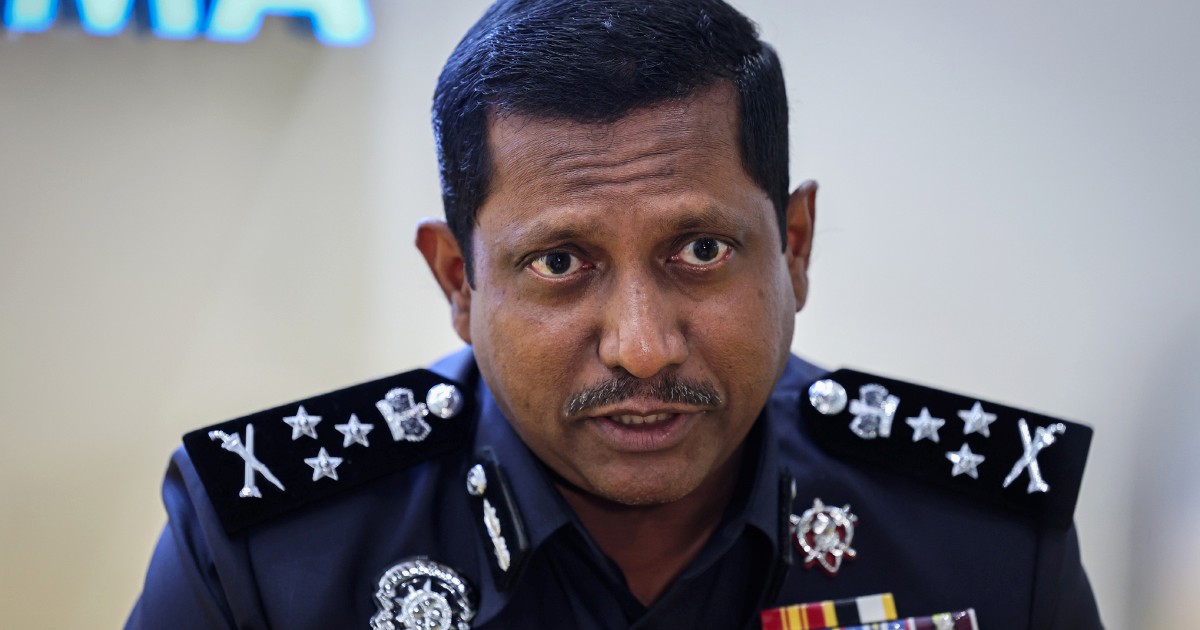
A Malaysia Airlines pilot taken into custody in Indonesia last month while carrying roughly 25 kilogrammes of illicit narcotics is now facing mounting evidence suggesting involvement in an extensive drug trafficking operation spanning the entire year of 2024. The discovery has triggered a comprehensive investigation across multiple jurisdictions as authorities attempt to trace the full scope of the alleged smuggling network and identify any potential accomplices operating within or connected to the airline industry.
The arrest marks a rare and troubling case of aviation personnel being implicated in large-scale drug trafficking. Malaysia Airlines, Southeast Asia's major carrier with extensive regional and international routes, has emphasised its commitment to cooperating fully with law enforcement agencies investigating the matter. The airline has initiated internal reviews of its security protocols and staff vetting procedures, recognising that the incident raises fundamental questions about oversight mechanisms governing flight crew access to restricted airport zones and cargo handling areas.
Investigators believe the pilot leveraged his legitimate access to aircraft and airport facilities as a means of concealing and transporting narcotics across borders. The trust granted to commercial airline personnel—who undergo background checks and security clearances—makes them potentially valuable operatives for trafficking organisations seeking to evade conventional detection methods. His position would have afforded him knowledge of flight schedules, aircraft layouts, and security checkpoint procedures that could facilitate the movement of contraband through established airline networks.
The scale of the operation inferred by authorities suggests this was not an isolated incident of opportunistic smuggling but rather a calculated, recurring enterprise. Multiple crossings since early 2024 indicate either a sophisticated partnership with organised crime networks or direct engagement with international drug cartels operating throughout Southeast Asia. The region has emerged as a critical transshipment hub for methamphetamine, heroin, and synthetic drugs flowing from production sites in Myanmar and elsewhere toward Australian and other markets.
Malaysia's position as a major air travel hub intensifies concerns about the potential exploitation of its aviation infrastructure. Kuala Lumpur International Airport handles millions of passengers annually and serves as a connection point for numerous regional and intercontinental flights. The discovery that airport access credentials may have been misused to facilitate trafficking underscores vulnerabilities in the checkpoint and verification systems that protect aviation security across the region.
The investigation has prompted broader scrutiny of airline industry hiring practices and ongoing monitoring mechanisms. While aviation authorities worldwide conduct security background checks on personnel, the sophistication of modern trafficking organisations means that individuals without prior criminal records can be recruited after initial vetting. Some law enforcement experts argue that periodic re-evaluation of flight crew members, particularly those with international route assignments, warrants strengthened oversight.
Regional aviation authorities are expected to coordinate responses to prevent similar incidents. Interpol and national agencies in Indonesia, Malaysia, and other affected jurisdictions are likely sharing investigative findings to identify whether the arrested pilot collaborated with networks previously known to law enforcement or whether his activities represent an undetected trafficking channel that operated throughout 2024 without raising suspicion.
The incident arrives at a time when Southeast Asian governments face escalating challenges from methamphetamine trafficking, with law enforcement agencies reporting record seizures and expanding operational capacity among criminal syndicates. The use of commercial aviation by traffickers has been documented before, but each new case demonstrates the persistence of this smuggling method despite increased security measures implemented post-9/11.
For Malaysian regulatory bodies overseeing civil aviation, the case necessitates reassessment of internal security culture within airline operations. Training programmes for security personnel, randomised screening of flight crew, and enhanced monitoring of high-risk routes may require implementation. The reputational implications for Malaysia Airlines are significant, particularly regarding passenger confidence and international partnerships, though the airline's scale and reputation may insulate it from severe commercial damage if the institution itself is perceived as having responded responsibly.
The detained pilot faces serious charges in Indonesia, where drug trafficking laws carry severe penalties including lengthy imprisonment. Malaysian authorities are simultaneously pursuing their own investigations to determine whether additional personnel or security breaches occurred domestically. The broader investigation will likely extend to financial records, communications, and travel patterns to map the full network of individuals and organisations connected to the smuggling operation.
As the investigation deepens, aviation agencies across Malaysia and the region will be monitoring outcomes closely. The case highlights the continued vulnerability of legitimate transportation systems to exploitation by criminal networks and the necessity of balancing operational efficiency with enhanced security vigilance. Future policy responses may include stricter protocols for crew members, enhanced collaboration between airlines and customs authorities, and more rigorous surveillance of high-risk trafficking routes traditionally servicing airports in major Southeast Asian cities.

