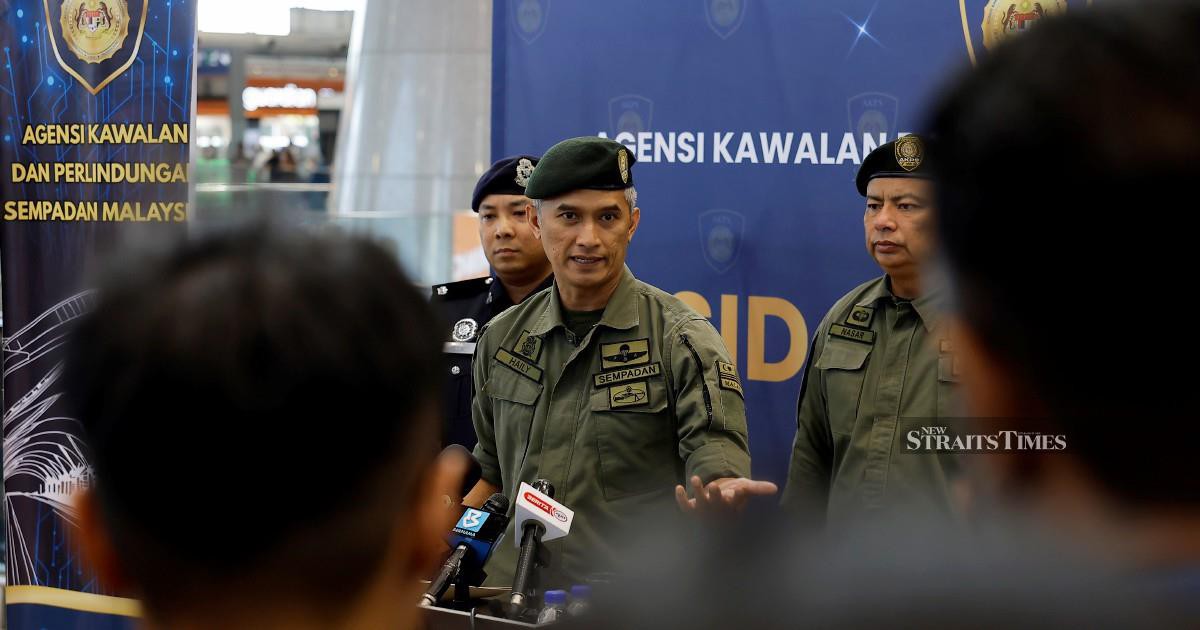
A Malaysia Airlines pilot detained in Indonesia last week after authorities discovered 70,000 ecstasy pills in his possession had his baggage screened by AVSEC, the country's aviation security authority, not by any division of the Malaysia Border Control and Protection Agency (MCBA), according to a statement from official sources.
The clarification emerged as questions mounted about how such a substantial quantity of controlled substances managed to pass through Malaysia's airport security infrastructure. The distinction between which agency conducted the screening proved significant, as it shaped the immediate operational and procedural questions facing aviation authorities in the country. AVSEC maintains responsibility for security checks at Malaysian airports, while MCBA handles broader border control functions across multiple entry and exit points.
The arrested pilot represented a serious breach in aviation security protocols, raising immediate concerns about the effectiveness of existing screening mechanisms at Malaysia's primary airports. The seizure occurred after the individual had already departed Malaysia, suggesting that the baggage had successfully cleared the initial checkpoint operations at the point of departure. This development triggered a broader review of how security agencies coordinate with one another and whether existing protocols contained gaps that prohibited the detection of large drug shipments concealed within pilot luggage.
The case highlighted persistent vulnerabilities within Malaysia's airport security framework, particularly regarding personnel with legitimate airport access. Pilots and crew members, who benefit from certain screening exemptions or expedited procedures due to their operational roles, may encounter less rigorous examination compared to ordinary passengers. This operational reality, while intended to maintain flight scheduling efficiency, created an environment where determined individuals could potentially exploit their professional status to move contraband across borders.
Investigators immediately focused on determining how the substances entered the baggage and whether any airport personnel or ground operations staff had facilitated the smuggling operation. The presence of 70,000 ecstasy pills suggested a commercial trafficking operation rather than personal consumption, raising the possibility of an organized network operating within or around Malaysian aviation infrastructure. Such networks, if present, could pose ongoing threats to drug enforcement efforts across Southeast Asia and jeopardize Malaysia's standing in regional counter-narcotics cooperation.
The incident prompted government authorities to re-evaluate whether AVSEC's current staffing levels and training protocols remained adequate for detecting sophisticated concealment methods. Advanced detection equipment, including advanced passenger screening technology and canine units, have been deployed at major Malaysian airports, yet the pilot case demonstrated that these measures did not catch the shipment before departure. Whether technical limitations, procedural gaps, or insufficient personnel intensity contributed to the failure would become central to post-incident analysis.
For Malaysian aviation specifically, the case created operational and reputational complications. Malaysia Airlines and other domestic carriers depend on maintaining rigorous security credentials to sustain regional passenger confidence and international flight privileges. A breach involving flight crew amplified concerns, as pilots occupy positions of exceptional trust within commercial aviation systems. The incident forced the airline to demonstrate publicly that it cooperated fully with authorities and that internal vetting procedures for crew members met international standards.
Regional implications extended beyond Malaysia's borders, particularly given Indonesia's role in apprehending the suspect. Southeast Asian nations maintain increasingly coordinated approaches to combating transnational drug trafficking, yet the pilot case illustrated that vulnerabilities in one country's airport security directly affect neighbors. Indonesia's detection of the shipment showcased the importance of destination-country screening, but it also indicated that interdiction occurred after the contraband had already crossed Malaysian jurisdiction.
The broader Southeast Asian drug market context shaped the significance of this seizure. Methamphetamine and MDMA (ecstasy) production has expanded dramatically across the region, with trafficking networks exploiting air routes to move products toward markets in East Asia and beyond. Malaysia's position as a regional aviation hub meant that its airports represented critical chokepoints for trafficking organizations. Closing vulnerabilities at these facilities remained essential to disrupting broader supply chains.
Government statements acknowledged that the baggage screening procedures operated by AVSEC would face enhanced scrutiny in the coming weeks. Equipment audits, personnel training refreshers, and protocol reviews typically followed major security breaches. Whether these measures would extend to examining screening procedures for crew members and privileged categories remained an open question, as aviation officials balanced security imperatives against operational efficiency requirements.
The incident also raised questions about information sharing between AVSEC and MCBA, given their distinct but overlapping mandates. Coordinated intelligence on suspicious patterns, threat assessments, and identified vulnerabilities could strengthen overall security posture. The pilot case suggested a need for more robust inter-agency communication channels and joint operational planning, particularly for detecting sophisticated smuggling attempts by individuals with legitimate airport access.
Moving forward, Malaysian authorities signaled their commitment to addressing the operational gaps exposed by the seizure. Whether this would translate into visible operational changes, including enhanced screening for crew members or investment in additional detection capabilities, would indicate the government's seriousness in preventing similar incidents. Regional partners and international aviation bodies would likely scrutinize Malaysia's response to the breach.

