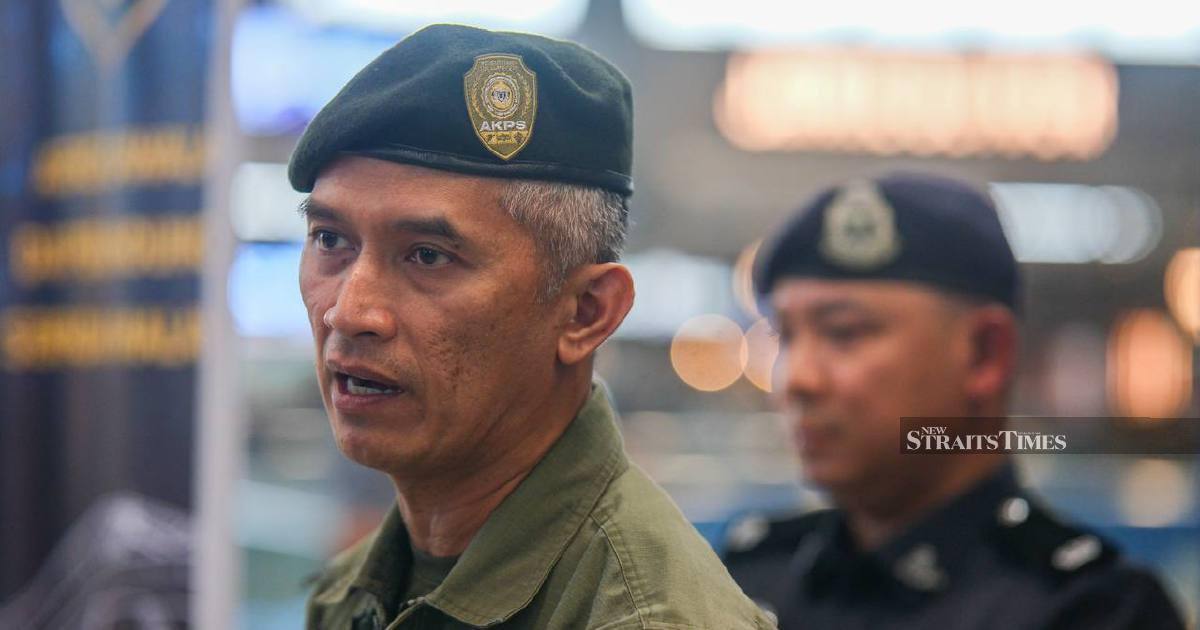
Investigators examining the drug smuggling case of a Malaysia Airlines pilot arrested in Indonesia remain unable to determine whether counter-setting activities were involved, according to the head of the Malaysia Border Control and Protection Agency. The agency, tasked with coordinating cross-border enforcement efforts, has indicated that establishing the circumstances surrounding the arrest requires further examination before any definitive conclusions can be drawn about the involvement of counter-operations or intelligence gathering activities.
The remarks underscore the complexity of transnational drug trafficking investigations, which often involve coordination between multiple enforcement agencies across different jurisdictions and must navigate varying legal frameworks. In this instance, the MCBA's caution reflects the challenges of piecing together evidence when an arrest occurs within Indonesia's sovereign territory and involves one of Malaysia's major carriers. The agency's measured approach suggests investigators are avoiding premature conclusions that could potentially compromise ongoing inquiries or damage diplomatic relations during an active investigation phase.
Counter-setting operations, which involve law enforcement strategically allowing or facilitating criminal activity to gather intelligence on larger networks or identify key players, represent a sensitive investigative tool that generates legal and ethical considerations. When such operations cross borders or involve citizens of another nation, the diplomatic dimensions become particularly delicate. Malaysia's restraint in making categorical statements about counter-setting's involvement reflects diplomatic prudence in a case that has already drawn public attention and involves criminal charges in a neighbouring country.
The Malaysia Airlines pilot case has gained attention given the carrier's prominence as a national flagship airline and the serious nature of drug smuggling allegations. The arrest in Indonesia signals the growing challenge of drug trafficking networks that operate across Southeast Asian borders, leveraging legitimate transportation systems and professional workers to move contraband. This particular case underscores vulnerabilities within aviation supply chains and personnel backgrounds that criminal networks actively exploit.
Shuhaily's public statements on the investigation's progress serve multiple audiences. For Malaysian authorities, the measured commentary demonstrates thoroughness and prevents premature judgments that could later prove inaccurate. For Indonesian counterparts, the approach respects their jurisdiction and investigative autonomy while allowing for potential cooperation. For the public, it conveys that authorities are taking the matter seriously without overstating evidence or drawing conclusions that investigation may not support.
The timing of such statements proves significant in transnational criminal investigations. Premature declarations about counter-setting involvement could prejudice ongoing inquiries, signal investigative techniques to organised crime networks, or create false expectations about case outcomes. Law enforcement agencies across Southeast Asia increasingly recognise that measured communication during active investigations, while less satisfying to public curiosity, ultimately strengthens prosecutorial prospects and maintains operational security.
Malaysia's drug enforcement landscape has undergone substantial evolution in recent years, with greater emphasis on international cooperation and intelligence sharing among ASEAN partners. The MCBA itself represents a relatively newer institutional framework for coordinating border security and smuggling prevention across Malaysia's maritime and terrestrial boundaries. Cases like this test the agency's capacity to work across borders while respecting neighbouring nations' autonomy and legal systems.
For Malaysia's aviation sector, the implications extend beyond this single case. Airlines operating regional routes face mounting pressure to implement robust personnel vetting and deterrence measures against smuggling. The case demonstrates that even employed professionals with established positions can present trafficking risks, requiring continuous monitoring and internal control mechanisms. Industry stakeholders will likely scrutinise how Malaysia Airlines and competitors strengthen their internal compliance protocols.
The broader regional context matters considerably. Southeast Asia remains a significant transit point for narcotics flowing between production zones and consumption markets globally. Indonesia, Malaysia, and Thailand have collectively intensified enforcement efforts, though sophisticated trafficking networks continually adapt their methods. Cross-border cases like this one involve multiple layers of coordination between MCBA, maritime authorities, civil aviation regulators, and intelligence services.
For Malaysian residents and businesses, the case serves as a reminder of the region's persistent drug trafficking challenges despite enforcement efforts. It highlights how criminal networks penetrate legitimate sectors, including major corporations and transportation systems. The unresolved questions about counter-setting's involvement in this instance reflect the operational reality that organised crime investigations rarely offer neat narratives or quick resolutions.
Moving forward, authorities will need to balance transparency with investigative requirements. Public updates about progress, even without conclusive details, help maintain confidence in Malaysia's enforcement capabilities while respecting the sensitivity of active investigations. The MCBA's preliminary stance—acknowledging incomplete information rather than speculating—establishes credibility for future announcements about case developments.

