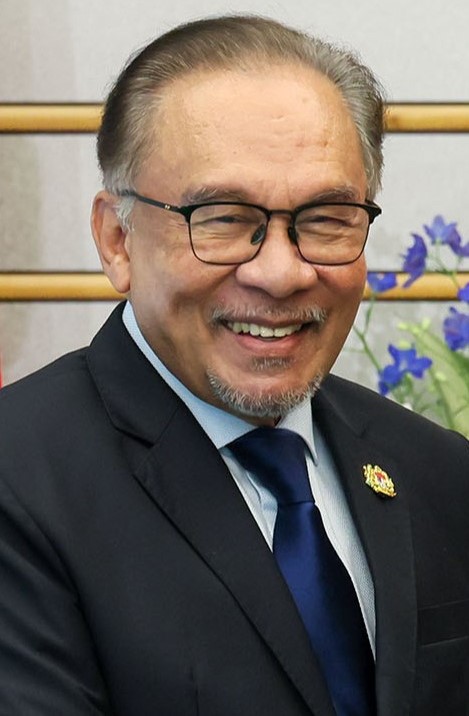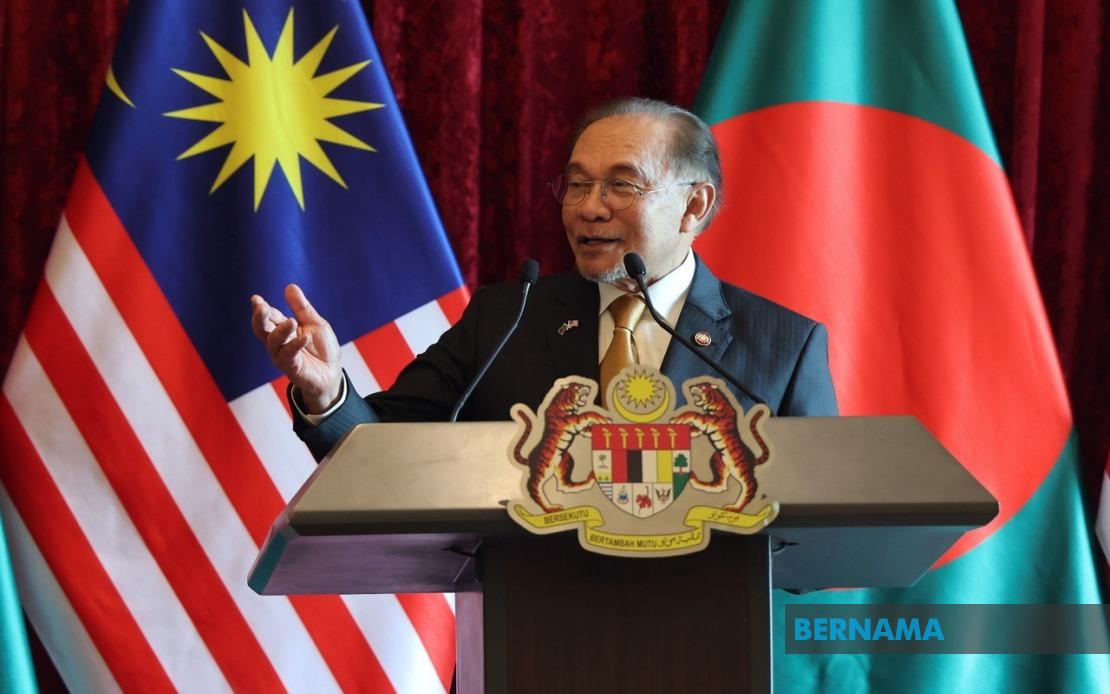
Prime Minister Datuk Seri Anwar Ibrahim and visiting Bangladesh Prime Minister Tarique Rahman have signalled a determination to reinvigorate institutional ties between the two nations through the activation of diplomatic channels that have long remained dormant. The commitment, outlined in a joint statement issued by Malaysia's Foreign Ministry during Rahman's official two-day visit to Putrajaya, represents a significant step toward deepening engagement across multiple dimensions of bilateral cooperation.
The centrepiece of this diplomatic renewal is the resumption of the Joint Commission Meeting and Bilateral Consultations, both mechanisms designed to facilitate structured dialogue at the highest levels of government. These platforms have been inactive for an extended period, and their reactivation signals a shared priority to restore regular high-level engagement. Such meetings traditionally serve as crucial forums for addressing strategic concerns, coordinating regional positions, and resolving outstanding issues through formal diplomatic channels rather than ad hoc negotiations.
The emphasis on people-to-people connectivity underscores how deeply labour migration has become woven into the bilateral relationship. Bangladesh has emerged as a significant source of workers for Malaysia's manufacturing, construction, and service sectors, filling critical labour gaps in areas where local recruitment has proven insufficient. The joint statement explicitly acknowledged the substantial contributions made by Bangladeshi expatriates, framing their presence not merely as an economic transaction but as a foundation for sustained cultural and economic interaction between the two societies.
However, Malaysia's approach to labour recruitment reflects broader concerns about managing foreign worker inflows in an increasingly competitive regional market. The country has adopted a cautious stance, requiring that new foreign worker quotas undergo rigorous assessment based on individual employer needs and sectoral capacity limits. This reflects Malaysia's attempt to balance genuine labour market gaps against concerns about wage suppression, job competition for local workers, and the administrative burden of managing large migrant populations. The joint statement indicates that Bangladesh's earlier proposal for expanded worker recruitment will be evaluated within these established parameters.
Transparency and ethical practices have become paramount in the framing of labour arrangements. Both nations have committed themselves to ensuring that any recruitment processes operating between them are conducted fairly, without discrimination, and exclusively through credible and qualified agencies. This language reflects international pressure regarding migrant worker protection and growing scrutiny of labour recruitment practices that have occasionally been marred by allegations of exploitation and fraud. By explicitly endorsing these principles in a bilateral statement, both governments are signalling to their domestic constituencies and the international community their commitment to ethical standards.
The establishment of a Joint Working Group represents the operational mechanism through which these commitments will be pursued. This body will undertake a comprehensive evaluation of the existing Memorandum of Understanding governing labour migration, assessing its effectiveness against current conditions and identifying areas requiring modernisation. The subsequent drafting of an updated MoU reflects recognition that labour arrangements negotiated in previous years may not adequately address contemporary challenges such as digital recruitment platforms, skills certification requirements, and changing sectoral demands.
For Malaysia, this framework addresses a persistent tension in its labour policy. The country requires significant foreign worker inputs to maintain competitiveness in labour-intensive industries, yet maintains strict quotas to protect local employment. Bangladesh, as one of the world's largest labour exporters with a population exceeding 160 million, has keen interest in maximising opportunities for its workers abroad. These competing pressures necessitate carefully calibrated mechanisms that allow flexibility while maintaining political sustainability in Malaysia.
The timing of this diplomatic engagement carries regional significance. Southeast Asia faces mounting competition for investment and talent, and bilateral labour arrangements have become integral to economic partnerships. By strengthening its institutional framework with Bangladesh, Malaysia positions itself as a reliable, professional destination for migrant workers—an advantage in the region's competition with Gulf states and other developed economies for similar labour pools. Bangladesh benefits through institutionalised access to one of Southeast Asia's most developed economies.
The revival of dormant bilateral mechanisms also reflects broader diplomatic priorities within Malaysia's foreign policy. Enhanced engagement with Bangladesh fits within Malaysia's positioning as a bridge nation between South Asia and Southeast Asia, leveraging its Islamic credentials and regional standing. Regular high-level dialogue creates opportunities to coordinate positions on multilateral issues ranging from trade negotiations to regional security concerns, extending bilateral benefits beyond labour migration.
The joint working group's mandate to evaluate and modernise the MoU suggests that both nations anticipate significant changes ahead. These might include provisions addressing remote recruitment, skills training and certification, workplace welfare standards, and grievance mechanisms. Modern labour MOUs increasingly incorporate provisions addressing digital platforms, language training, health insurance, and family support—reflecting evolving expectations regarding migrant worker protections.
For Malaysian employers and the broader economy, a clearer, updated framework reduces uncertainty in labour planning. Firms can operate with greater confidence regarding recruitment procedures and worker availability, supporting productivity planning and business continuity. The commitment to transparent, non-discriminatory processes also benefits legitimate Malaysian recruitment agencies competing against less scrupulous operators that occasionally exploit regulatory ambiguities.
The diplomatic engagement also carries implicit messaging about Malaysia's broader relationship with South Asia. Beyond labour arrangements, regular consultations create space for discussing regional connectivity initiatives, trade facilitation, and cultural exchanges. Bangladesh's growing economic importance—as both a labour source and emerging market—warrants elevated attention from Malaysian policymakers seeking to diversify regional partnerships.
Looking forward, the success of these renewed mechanisms will depend on consistent, high-level political commitment from both sides. The reactivation of dormant channels requires sustained engagement beyond ceremonial visits, with regular meetings, progress reporting, and genuine problem-solving orientation. For Malaysian readers and stakeholders, this bilateral renewal offers the prospect of more orderly, predictable labour supply arrangements while supporting ethical standards in worker recruitment.