%22%2F%3E%3C%2Fpattern%3E%3C%2Fdefs%3E%3Crect%20width%3D%22100%25%22%20height%3D%22100%25%22%20fill%3D%22url(%23ph4injlg)%22%2F%3E%3Crect%20width%3D%22100%25%22%20height%3D%22100%25%22%20fill%3D%22url(%23ph4injlp)%22%2F%3E%3Ctext%20x%3D%2250%25%22%20y%3D%2250%25%22%20text-anchor%3D%22middle%22%20dominant-baseline%3D%22central%22%20fill%3D%22rgba(255%2C255%2C255%2C0.95)%22%20font-family%3D%22Georgia%2C%20'Times%20New%20Roman'%2C%20serif%22%20font-weight%3D%22700%22%20font-size%3D%22170%22%20letter-spacing%3D%22-0.02em%22%3EMalaysia%3C%2Ftext%3E%3C%2Fsvg%3E)
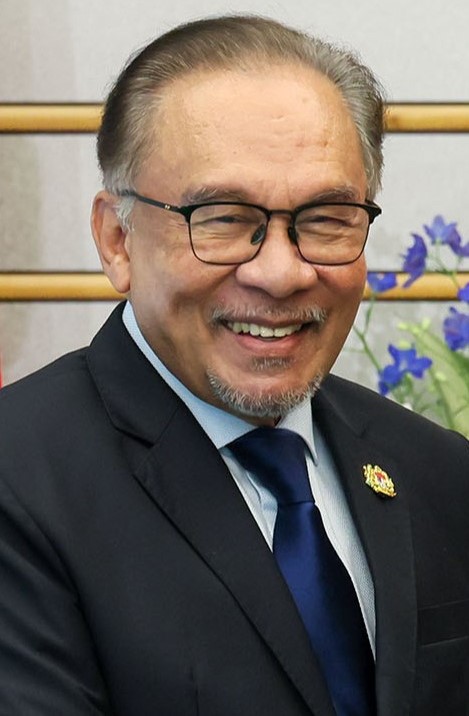
Malaysia and Bangladesh have committed to eliminating the exploitation and mistreatment of migrant workers, marking a significant stance on labour practices in the region. Prime Minister Datuk Seri Anwar Ibrahim underscored this resolve during a joint press conference with Bangladesh Prime Minister Tarique Rahman in Putrajaya on June 22, emphasising that both nations must establish more transparent and equitable recruitment mechanisms. The bilateral agreement reflects growing regional concern over the treatment of foreign labourers, who constitute a vital component of Malaysia's workforce across multiple sectors.
Anwar acknowledged the double-edged reality facing Malaysia's reliance on foreign labour. While migrant workers remain essential to sustaining economic growth and filling critical labour shortages across construction, manufacturing, domestic service, and plantation industries, their presence has simultaneously generated numerous controversies centred on humanitarian concerns. The Prime Minister's candid recognition that this cooperation has "invited lots of scandals and concern" indicates an official willingness to address long-standing grievances that have tarnished Malaysia's international reputation in recent years.
During the bilateral meetings, both leaders discussed measures to safeguard worker welfare and protect their families back home. Anwar stressed that Malaysia must take a leadership role in curbing abuses within the system, signalling governmental intent to move beyond reactive responses to proactive reform. The emphasis on transparency suggests Malaysia recognises that systemic improvements require opening recruitment and employment processes to greater scrutiny from both nations' regulatory bodies, as well as international observers.
Bangladesh, a major source of migrant workers for Malaysia, has substantial economic interests in labour exports. Bangladesh Prime Minister Tarique Rahman formally requested that Malaysia increase recruitment of Bangladeshi workers and accelerate the reopening of its labour market. This request underscores Bangladesh's appetite to expand remittance inflows, which form a critical component of many households' survival and the nation's foreign exchange reserves. The timing of this request reflects Bangladesh's confidence in Malaysia's commitment to improving labour standards, suggesting that transparency reforms could paradoxically attract more migrant workers rather than deter recruitment.
The labour relationship between Malaysia and Bangladesh carries particular significance for Southeast Asia's broader economic framework. Bangladesh consistently ranks among Malaysia's top sources of migrant workers, alongside Indonesia and Myanmar. Any bilateral agreement on worker protection potentially sets precedents that could influence how other labour-source nations negotiate with Malaysia, creating either a race to the top in standards or, conversely, driving recruitment toward competing destinations if implementation proves inadequate.
Malaysia has faced persistent international criticism over migrant worker conditions, including documented cases of wage theft, unsafe working environments, restrictions on movement, and inadequate accommodation. These issues have drawn scrutiny from international labour organisations and foreign governments, affecting Malaysia's global standing. The joint statement with Bangladesh represents diplomatic acknowledgement that such practices are incompatible with Malaysia's aspirations to be regarded as a responsible economic partner in the region.
The transparent recruitment system that Anwar emphasised would need to address several structural problems endemic to current practices. Intermediaries and labour agents operating across borders have frequently exploited information asymmetries, charging excessive fees to workers while providing incomplete or misleading employment contracts. Standardising recruitment procedures and reducing the number of intermediaries could theoretically reduce such abuses, though implementation would require coordinated oversight mechanisms between Malaysian authorities and their Bangladeshi counterparts.
Worker family protection, another focal point mentioned during the discussions, extends beyond the immediate employment relationship. Many Bangladeshi migrant workers send remittances to dependents, making them vulnerable to predatory financial schemes and exploitation by unscrupulous money transfer services. Establishing formal channels and consumer protections for remittance transfers could strengthen financial security for workers' households, complementing employment-side protections.
The agreement's practical effectiveness will ultimately depend on enforcement capacity and political will. Malaysia's plural labour regulations, enforced across federal and state jurisdictions with varying compliance records, create coordination challenges. Similarly, Bangladesh must establish robust mechanisms to investigate complaints from returned workers and pursue cases against errant employers or recruitment agents. Without credible enforcement, bilateral agreements risk remaining largely symbolic.
For Malaysian employers and sectors reliant on migrant labour, the reform agenda presents both obligations and opportunities. Compliant employers gain reputational benefits and access to stable, reliable workforces, while those resisting standards face potential liability and labour supply disruptions. Industries such as palm oil, where worker conditions have attracted particular international scrutiny, could experience operational changes if transparency mechanisms are genuinely implemented.
The Bangladesh government's dual positioning—simultaneously requesting expanded recruitment while insisting on worker protections—reflects sophisticated negotiating strategy. Increased labour exports generate foreign exchange and reduce domestic unemployment pressure, yet Dhaka cannot afford to permit widespread abuse that would provoke domestic political backlash or encourage destination countries to reduce quotas.
Regional implications extend to other ASEAN nations and dialogue partners observing this bilateral framework. If Malaysia and Bangladesh successfully implement transparent recruitment standards, the model could gain traction elsewhere, potentially elevating baseline labour protections across Southeast Asia. Conversely, if implementation falters, the agreement risks becoming merely rhetorical, reinforcing cynicism about commitments to migrant worker welfare.
Moving forward, both governments must translate diplomatic statements into concrete mechanisms: designated recruitment zones with monitoring capacity, standardised contracts with independent verification, regular workplace inspections, expedited complaint resolution processes, and sanctions against violating employers. The success of these initiatives will determine whether this bilateral agreement genuinely improves conditions for hundreds of thousands of Bangladeshi workers in Malaysia or merely provides governments with diplomatic cover while systemic exploitation persists.