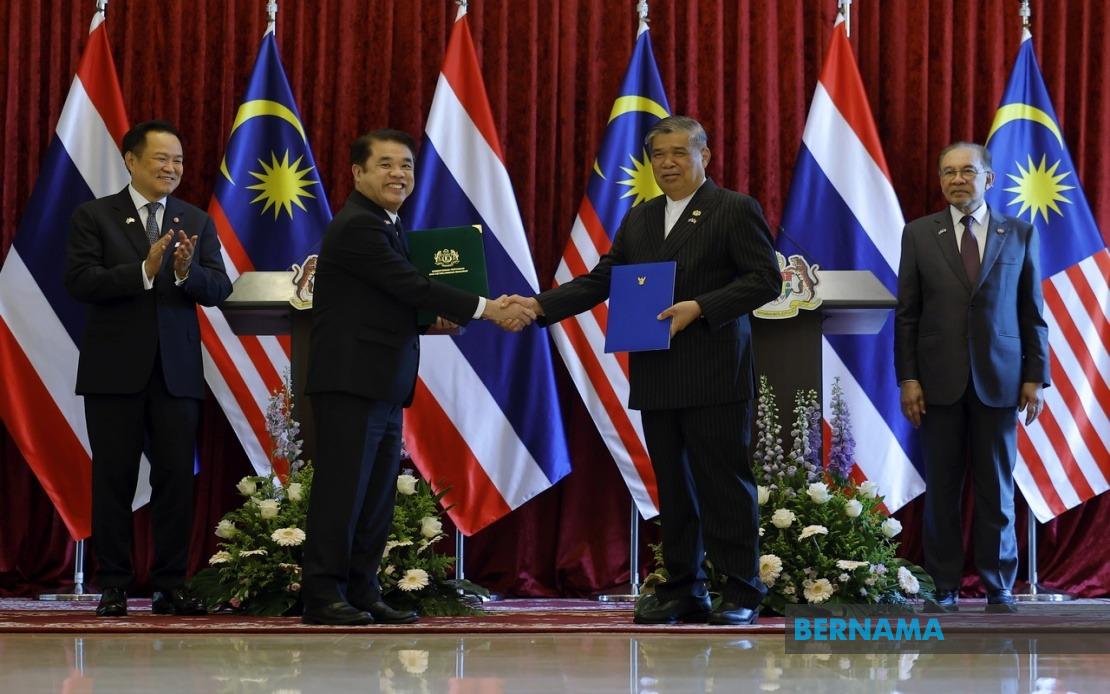
The governments of Malaysia and Thailand have moved to cement their agricultural partnership by executing a comprehensive memorandum of understanding that addresses mutual food security interests and facilitates knowledge exchange in farming and fisheries sectors. Prime Minister Datuk Seri Anwar Ibrahim and his Thai counterpart Anutin Charnvirakul sealed the arrangement during official talks in Putrajaya on Thursday, marking a significant step forward in deepening economic ties between the neighbouring nations.
The accord encompasses a broad spectrum of agricultural activities, ranging from crop cultivation and livestock management to aquaculture and fisheries operations. Critically, both nations have embedded commitments to research collaboration and technology transfer mechanisms that will enable farmers and producers on both sides to adopt improved practices and enhance productivity. Human resource development initiatives also feature prominently, reflecting recognition that skilled personnel remain essential to modernizing agricultural sectors across Southeast Asia.
One of the most substantive outcomes involves resolving protracted commercial disputes that have hindered bilateral trade in specific seafood commodities. Negotiations have successfully addressed market access barriers affecting shrimp and barramundi exports, impediments that have frustrated producers in both countries for some time. Thai Government spokesperson Ratchada Thanadirek confirmed that agriculture ministers from both nations have committed to expediting implementation of these trade facilitation measures, signalling serious intent to remove bureaucratic obstacles that have constrained agricultural commerce.
For Malaysian farmers and fishermen, particularly those operating in northern states that border Thailand, these developments carry tangible implications. The resolution of shrimp and barramundi trade complications opens pathways for expanded market opportunities, while technology transfer provisions promise access to innovative production methods that could enhance competitiveness in regional markets. Food security cooperation also carries resonance across Southeast Asia, where supply chain vulnerabilities and production disruptions remain persistent concerns following the pandemic era.
The bilateral engagement extends far beyond agricultural matters alone. Both governments have articulated ambitions to elevate overall trade volumes to US$30 billion in the near term, requiring coordinated efforts across multiple economic sectors including tourism, investment, infrastructure development and security cooperation. This expansive vision reflects understanding that prosperity in the region hinges upon multifaceted engagement and reduction of friction points that constrain economic integration.
Thailand's Prime Minister commenced his visit to Malaysia on Thursday and will remain through Friday, with a high-profile joint visit planned to the northern border crossing at Bukit Kayu Hitam in Kedah. This location holds symbolic and practical significance, representing a critical juncture in land transportation networks connecting the two countries. The ceremonial opening of road infrastructure linking the Immigration, Customs, Quarantine and Security complex in Bukit Kayu Hitam with its counterpart facility at Sadao in Thailand underscores both nations' commitment to streamlining cross-border movement of goods and people.
Anutin's journey to Malaysia constitutes his inaugural bilateral visit since his reappointment to office in March 2026, suggesting the Thai administration views this engagement as foundational to its regional diplomatic strategy. The timing also holds relevance given that 2027 will mark the 70th anniversary of formal diplomatic relations between Thailand and Malaysia, a milestone that both nations intend to commemorate with additional bilateral memoranda of understanding addressing pending cooperation frameworks.
From Malaysia's perspective, deepening agricultural engagement with Thailand serves multiple strategic objectives. Thailand remains a significant regional agricultural producer and exporter, possessing complementary production capabilities to Malaysia's own agricultural base. Cooperation in technology and research development could accelerate adoption of sustainable farming practices and climate-resilient crop varieties across both countries, addressing shared vulnerabilities to environmental change and resource pressures.
The emphasis on supply chain cooperation in food security, energy and high-technology sectors indicates that both governments recognize interconnections between agricultural stability and broader economic resilience. Disruptions to food supply chains reverberate across entire economies, affecting inflation dynamics, social stability and competitiveness of downstream industries. By coordinating efforts to strengthen resilience in these domains, Thailand and Malaysia position themselves and their neighbours to better withstand future shocks and market volatility.
For Malaysian stakeholders in the fishing and shrimp farming industries, the resolution of market access disputes removes a significant constraint on business expansion. Producers have long chafed under regulatory barriers that limited their ability to export aquaculture products to Thai markets, creating inefficiencies in resource allocation and reducing profitability. Streamlining these processes will enable enterprises to rationalize their production and distribution strategies, potentially lowering costs and improving margins across supply chains.
The architectural approach evident in these negotiations—combining sectoral cooperation with broader economic integration objectives—reflects contemporary thinking about regional economic architecture in Southeast Asia. Rather than compartmentalizing agriculture as a standalone concern, both nations have embedded agricultural cooperation within a larger framework encompassing trade, investment and infrastructure development. This integrated perspective increases the likelihood that agricultural initiatives will generate spillover benefits across related industries and communities.
Looking ahead, the success of these arrangements will depend substantially upon implementation capacity and bureaucratic coordination between Thai and Malaysian agencies. The directive issued by Prime Minister Anutin to relevant authorities to expedite execution of the agreements suggests awareness that memoranda of understanding frequently languish without sustained political pressure and administrative follow-through. The commitment to conclude additional bilateral frameworks ahead of the 2027 diplomatic anniversary indicates both nations intend to maintain momentum in their cooperative efforts.

