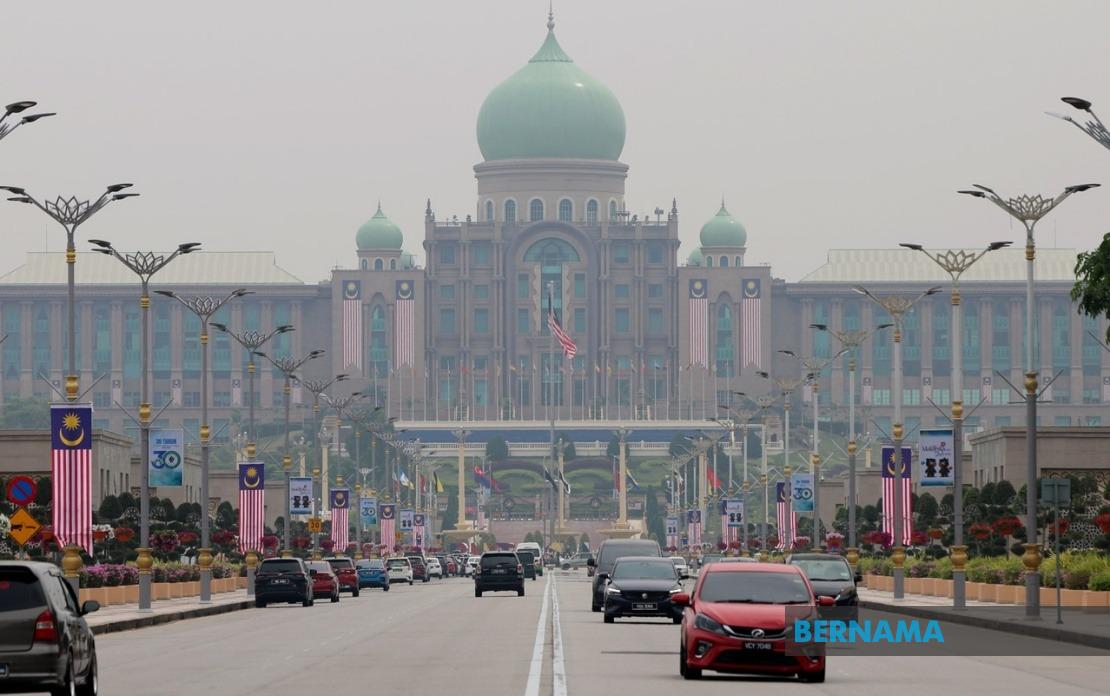
Malaysia faces an intensifying haze crisis that threatens to disrupt the country's National Day celebrations scheduled for August 31, as the Malaysian Meteorological Department issued a forecast indicating hazardous air conditions will persist across multiple regions through the end of the month. The warning, issued from Putrajaya on August 27, underscores the region's vulnerability to transboundary air pollution during the southwest monsoon season, a predictable yet persistent challenge that compounds broader Southeast Asian environmental concerns.
Director-General of MetMalaysia Dr Mohd Hisham Mohd Anip attributed the deteriorating atmospheric conditions to a combination of natural weather patterns and widespread agricultural burning practices. The southwest monsoon winds, which dominate Malaysia's weather systems during this period, are transporting smoke and particulate matter originating from active hotspots concentrated in southern Sumatra and the western regions of Kalimantan. These Indonesian provinces have long served as major sources of transboundary pollution affecting Malaysia, Singapore, and Brunei, representing a recurring environmental governance challenge that transcends national borders.
According to the MyCMAQ air quality forecasting model operated by MetMalaysia, Sarawak emerges as the region most vulnerable to hazardous conditions during the forecast window. The model projects that the majority of districts across the East Malaysian state will encounter hazy weather classified at the Unhealthy level, with particular concern focused on August 30 and 31, when several districts may deteriorate further to Very Unhealthy thresholds. This escalation poses significant risks for residents in affected areas, particularly vulnerable populations including children, the elderly, and individuals with respiratory or cardiovascular conditions.
Beyond Sarawak, the haze threat extends across a substantial swath of Peninsular Malaysia. Sabah is expected to experience the onset of hazy conditions beginning Saturday, August 28, marking the southward progression of the pollution band. Simultaneously, MetMalaysia forecasts that Johor, Melaka, Negeri Sembilan, Selangor, Kuala Lumpur, and the federal territory of Putrajaya will contend with elevated haze concentrations persisting through August 31. This geographic distribution reflects how transboundary pollution, once airborne, disperses widely across the region regardless of administrative boundaries or preparedness levels.
The temporal coincidence between the forecast hazardous period and Malaysia's National Day observance has prompted official concern at the highest levels. Communications Minister Datuk Seri Fahmi Fadzil revealed that the government is actively evaluating whether to scale back the scale of celebrations or relocate planned events to alternative venues less affected by air quality degradation. Such contingency planning illustrates the operational complexity imposed by environmental challenges on ceremonial and state functions, requiring coordination across multiple agencies and levels of government.
Prime Minister Datuk Seri Anwar Ibrahim has publicly appealed for national prayer and collective hope that atmospheric conditions will remain manageable as preparations for both August 31 National Day and the September 16 Malaysia Day proceed. His intervention signals the gravity with which the executive views potential disruption to these culturally significant national observances. The extensive machinery of government mobilized for these dual celebrations—spanning security, logistics, infrastructure, and public administration—has already encountered the unpredictable variable of environmental conditions beyond immediate governmental control.
The haze phenomenon affecting Malaysia exemplifies the regional dimension of environmental challenges that domestic policy alone cannot address. Indonesia, as the primary source of transboundary smoke, has grappled for decades with regulating agricultural practices and enforcing environmental standards, though enforcement remains inconsistent and effectiveness contested. Meanwhile, Malaysian authorities operate within the constraints of bilateral diplomacy, international law, and the practical limitations of influencing foreign land-use decisions, constraining the scope for unilateral action.
MetMalaysia's commitment to continuous monitoring and real-time forecast updates reflects institutional recognition that atmospheric conditions remain fluid and subject to modification by unexpected weather systems. The meteorological department's stated intention to revise predictions based on emerging data provides a mechanism for adaptive government response, though such flexibility offers limited comfort to populations already experiencing health impacts from degraded air quality. The gap between forecasting capacity and mitigation capability remains a persistent vulnerability in regional environmental governance.
For Malaysian residents and businesses across affected states, the extended forecast period through August 31 necessitates practical preparation. Vulnerable populations should consider obtaining respiratory protective equipment, scheduling medical appointments in advance, and limiting outdoor activities during peak pollution hours. Workplace policies may require adjustment to accommodate employees with respiratory sensitivities, while educational institutions may face decisions regarding outdoor athletic activities and field trips during the hazardous period.
The National Day celebration contingencies being evaluated by government represent more than ceremonial adjustments; they reflect broader questions about how Malaysia sustains essential national functions and cultural observances amid environmental stresses that may intensify with climate variability. The ability to conduct celebrations outdoors, gather crowds safely, and conduct public ceremonies depends increasingly on atmospheric conditions influenced by events and practices occurring beyond Malaysian territorial control. This vulnerability underscores the interdependence of Southeast Asian nations on shared environmental governance and the need for coordinated regional approaches to transboundary pollution sources.

