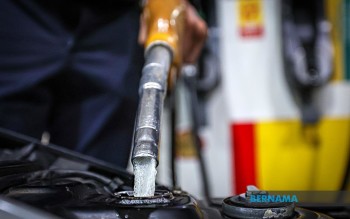
The Malaysian government is preparing for a significant financial burden if international crude oil prices stabilise near US$90 per barrel, with combined petrol and diesel subsidies potentially consuming RM3.5 billion monthly from the federal budget. Deputy Finance Minister Liew Chin Tong disclosed these projections during parliamentary questioning, revealing that RON95 petrol subsidies alone could reach approximately RM2 billion per month, while diesel support would add a further RM1.5 billion under current pricing scenarios.
These figures underscore the precarious nature of Malaysia's fuel subsidy regime, which remains heavily exposed to international petroleum price fluctuations. Unlike nations that have substantially deregulated fuel markets, Malaysia continues to shield consumers from global commodity volatility through direct government intervention, creating a structural liability that intensifies whenever crude prices climb. The scale of these monthly outlays places considerable pressure on the fiscal framework, particularly given competing demands for spending across healthcare, education, and infrastructure development.
Yet Liew struck an optimistic tone regarding the nation's overall economic resilience, asserting that Malaysia's fiscal position has remained robust despite elevated oil prices and that long-term budgetary projections remain on track. This apparent contradiction reflects a crucial offsetting mechanism: petroleum generates substantial revenue for the government independent of subsidy obligations. The deputy minister emphasised that every one-dollar increase in the oil price per barrel is anticipated to add approximately RM300 million to government coffers through taxation and royalties derived from domestic production and petroleum-related industries.
This revenue dynamic creates a natural hedge that partially mitigates subsidy escalation, though the relationship is not perfectly symmetrical. When oil rises, both subsidy costs and government petroleum revenues increase, but the timing and magnitude of each stream do not necessarily align. Subsidy pressures emerge more immediately as consumers fill their tanks at capped prices, whereas petroleum tax collection builds more gradually. This asynchronicity means the government must maintain adequate fiscal buffers and manage cash flow carefully during volatile periods.
The broader context involves Malaysia's ongoing debate over fuel subsidy reform. While successive governments have acknowledged that universal fuel subsidies are economically inefficient and fiscally unsustainable, the political sensitivity of removing price protections has consistently derailed comprehensive restructuring. Instead, policymakers have pursued incremental adjustments, targeted assistance to specific groups, and occasional price adjustments that fall short of market alignment. This gradualist approach preserves social stability but perpetuates fiscal vulnerabilities to oil price swings.
Prime Minister Datuk Seri Anwar Ibrahim is scheduled to present the 2027 Budget in October, at which point the government will recalibrate its fiscal projections according to prevailing economic conditions and revised oil price assumptions. This timing is significant because it will provide an opportunity to reassess subsidy sustainability and potentially announce policy adjustments before the next fiscal year commences. The government's willingness to revisit projections acknowledges that current crude oil price trajectories represent merely one scenario among multiple possible outcomes, and that flexibility in fiscal planning remains essential.
Parallel discussions regarding targeted subsidy expansion also reflect the political complexity surrounding fuel pricing in Malaysia. Senator Datuk Dr Mohd Na'im Mokhtar raised concerns about fiscal resilience if oil prices exceed current forecasts, prompting Liew to outline the government's contingency thinking. Meanwhile, another senator, Datuk Anna Bell @ Suzieana Perian, advocated for increased BUDI Diesel quotas specifically benefiting Sabah and Sarawak, highlighting regional interests in subsidy distribution.
Liew's response indicated flexibility in subsidy allocation mechanisms, noting that pickup truck owners have already received an additional 100-litre quota through simplified application procedures. This granular approach allows the government to provide relief to economically sensitive groups—such as agricultural and transportation sectors reliant on diesel—without extending universal price protection. By maintaining application-based systems, authorities can theoretically target assistance toward genuine need while preserving fiscal discipline elsewhere.
The underlying tension reveals how Malaysia's fuel subsidy architecture has evolved from blanket price controls toward a hybrid model combining baseline price ceilings with targeted quota systems. This middle path aims to protect vulnerable populations and essential industries while avoiding the budgetary catastrophe of unlimited subsidisation. However, managing such mechanisms requires substantial administrative capacity and creates opportunities for rent-seeking or inequitable access, particularly in states like Sabah and Sarawak where logistical challenges and political considerations complicate implementation.
Regionally, Malaysia's experience with fuel subsidies resonates across Southeast Asia, where several nations face similar fiscal pressures and subsidy debates. Indonesia, the Philippines, and Vietnam have all grappled with unsustainable fuel support schemes, and Malaysia's incremental reform approach—despite its limitations—offers cautionary lessons. The government's apparent success in maintaining fiscal stability despite substantial subsidy expenditures depends partly on petroleum wealth that poorer countries lack, making Malaysia's model neither universally replicable nor permanently sustainable.
Looking ahead, the trajectory of international crude oil markets will fundamentally shape Malaysia's fiscal options over coming quarters. Should prices decline significantly below US$90, subsidy pressures would ease and provide breathing room for structural reform discussions. Conversely, sustained or elevated pricing could accelerate the timeline for more decisive policy action, whether through further targeted refinements, broader price adjustments, or alternative assistance mechanisms. The October budget presentation will signal the government's confidence in current trajectories and its appetite for subsidy reform, offering Malaysian stakeholders and regional observers crucial insights into medium-term fiscal strategy.

