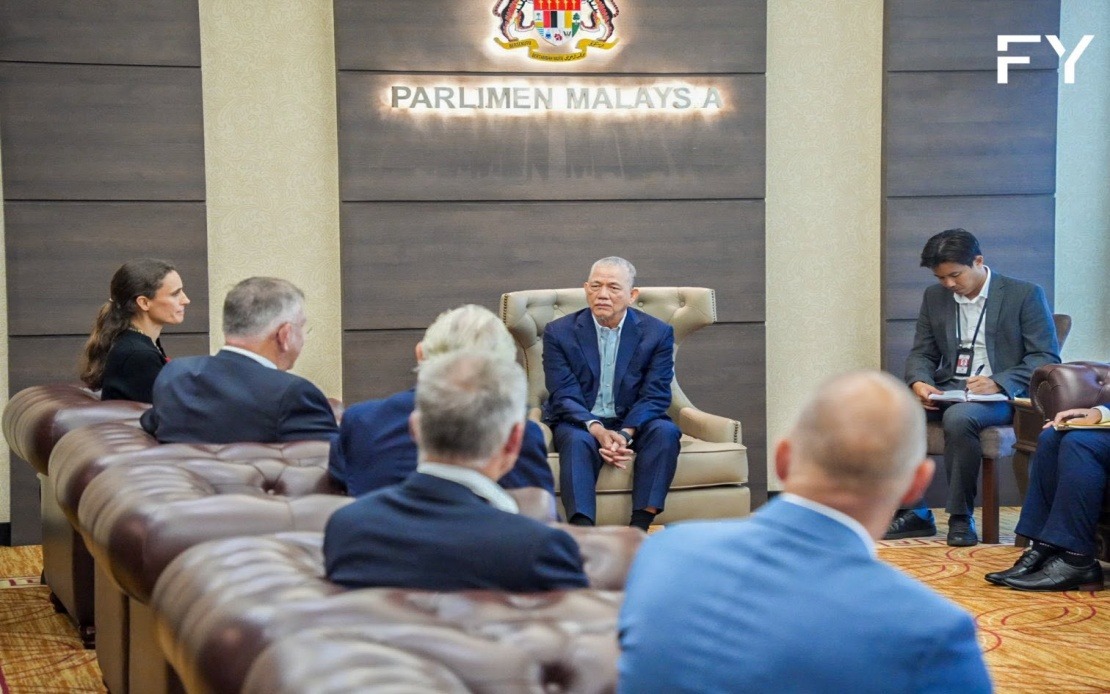
Malaysia is ramping up efforts to attract German small and medium enterprises to invest in the nation's green technology, renewable energy and water management sectors, signalling the government's commitment to aligning foreign direct investment with its sustainable development priorities. Deputy Prime Minister Datuk Seri Fadillah Yusof made this clear during a meeting with German Ambassador to Malaysia Silke Riecken-Daerr and representatives from the German SME Business Association at Parliament House on June 24, emphasising that such investment opportunities complement Malaysia's long-term environmental and economic objectives.
The timing of this diplomatic engagement reflects a broader strategic shift in how Malaysia is positioning itself within global sustainability frameworks. Rather than pursuing investment indiscriminately, the government is now prioritising sectors that address pressing challenges such as renewable energy transition and water scarcity—issues that resonate across Southeast Asia as nations grapple with climate commitments and resource management. By specifically highlighting green technology, Malaysia is signalling to German investors that the country offers a stable, forward-thinking environment aligned with European environmental standards and expectations.
Germany's relevance to Malaysia's investment strategy extends well beyond environmental considerations. The bilateral relationship has matured significantly, with over 800 German companies already operating across Malaysia's diverse economic landscape. This substantial corporate presence underscores the deep commercial ties between the two nations, particularly in mechanical engineering and advanced manufacturing technology—sectors where Germany maintains world-leading expertise. For Malaysian policymakers, the strategic question is how to build upon this foundation by attracting German SMEs into emerging green industries where the country has genuine competitive advantages.
The technical and vocational education partnership discussed during the meeting reveals another dimension of Malaysia's approach to deepening ties with Germany. The German TVET system is internationally recognised for producing highly skilled workers who drive industrial competitiveness, a model that Malaysia seeks to emulate as it faces mounting pressure to upgrade its workforce capabilities. In an era where automation and digitalisation are reshaping manufacturing, the prospect of adopting German vocational training methodologies could significantly enhance Malaysia's human capital development—a prerequisite for attracting sophisticated, technology-intensive investments.
For German SMEs specifically, Malaysia presents compelling opportunities that extend beyond cost considerations. The country's geographic position as a gateway to Southeast Asian markets, its relatively developed infrastructure, and its stable political environment create conditions favourable for businesses seeking to establish regional operations. Moreover, Malaysia's commitment to green development creates first-mover advantages for German firms willing to establish themselves in renewable energy, sustainable water solutions and clean technology manufacturing before competition intensifies in the region.
The water management and treatment focus warrants particular attention given Southeast Asia's vulnerability to water stress and pollution challenges. German expertise in water technology—from treatment systems to sustainable management frameworks—addresses genuine regional needs that are likely to drive demand for decades. Malaysian investors and policymakers recognise that German companies can transfer technologies and operational know-how that help Malaysia transition toward circular economy principles while establishing the country as a regional hub for water technology innovation.
From an economic perspective, attracting German SMEs in green sectors addresses multiple policy objectives simultaneously. It generates foreign exchange and creates employment, but equally importantly, it facilitates technology transfer and builds Malaysia's capabilities in industries positioned for long-term global growth. As traditional manufacturing faces headwinds from automation and shifting global supply chains, green technology and renewable energy represent sectors where Malaysia can establish genuine competitive differentiation rather than relying primarily on labour cost advantages.
The diplomatic channel through which these investment signals are being sent—a meeting between the deputy prime minister and a foreign ambassador—underscores the government's prioritisation of this relationship. Such high-level engagement demonstrates that attracting German investment is not merely a matter of commercial negotiation but a strategic priority that warrants attention from Malaysia's senior political leadership. This sends a clear message to German business associations and their member companies that Malaysia is serious about creating an enabling environment for their expansion and that government support exists at the highest levels.
Looking forward, the success of this initiative will depend on translating diplomatic goodwill into concrete policy implementation. German SMEs will evaluate Malaysia against other regional competitors based on regulatory clarity, infrastructure quality, access to financing, and the reliability of government commitments. Fadillah's expression of confidence in strengthening bilateral relations must be backed by follow-through on streamlining investment procedures, maintaining stable business-friendly policies, and ensuring that green technology enterprises receive the fiscal and regulatory support necessary to thrive in the Malaysian market.
For Malaysian workers and businesses, the influx of German SMEs in green sectors creates opportunities for skills acquisition and supply chain integration. Local companies can position themselves as service providers, component suppliers and technology partners to German firms, effectively bootstrapping Malaysia's green technology ecosystem. This spillover effect—where foreign investment catalyses domestic capability building—represents one of the most valuable outcomes of attracting quality foreign direct investment, particularly from technologically advanced economies like Germany.
The broader context for this initiative extends to Malaysia's Net Zero 2050 commitment and its increasingly prominent role in global sustainability discussions. By actively recruiting German investment in green technology, Malaysia is not merely pursuing short-term economic gains but positioning itself as a credible partner in the global energy transition. This enhances Malaysia's soft power and strengthens its voice in international forums where environmental standards, carbon markets, and sustainable technology diffusion are negotiated—issues of profound importance to the nation's long-term prosperity and regional leadership.