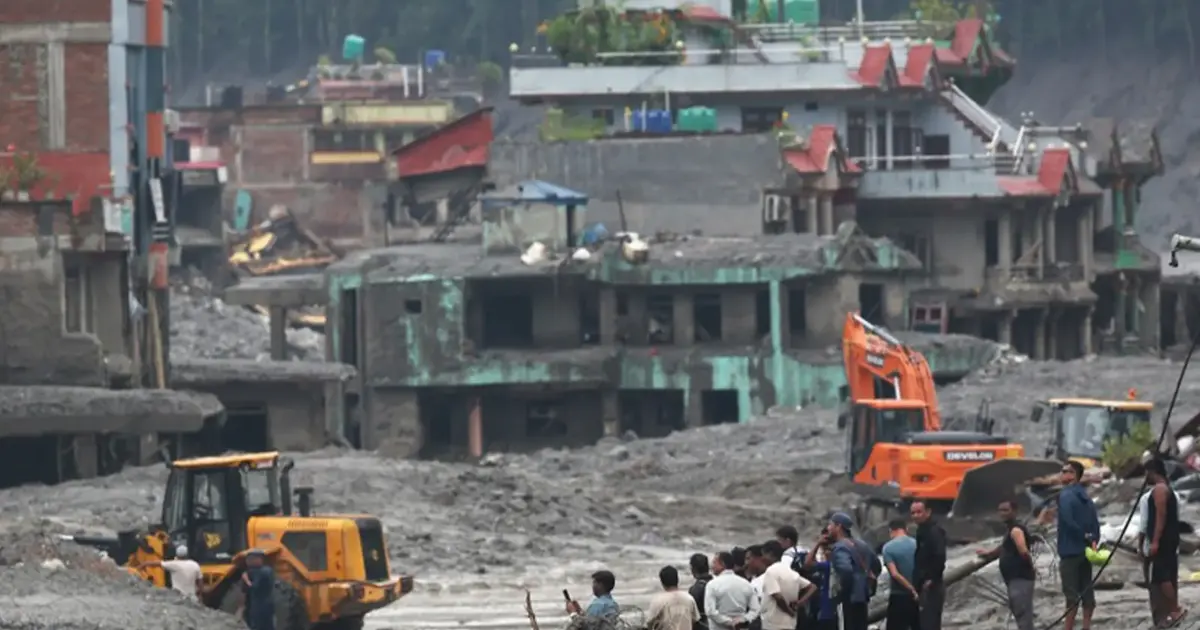
Malaysia will mobilise its SMART team to provide humanitarian assistance to Nepal, Prime Minister Anwar Ibrahim confirmed, underscoring the nation's commitment to regional disaster response cooperation. The decision reflects Malaysia's broader engagement with neighbouring countries facing natural calamities and reinforces bilateral ties through practical support during emergencies.
The SMART team, which stands for Specialised Monitoring and Rescue Team, represents Malaysia's dedicated rapid-response capability for international disaster situations. Composed of trained personnel equipped with specialised equipment, the unit has been deployed in previous regional crises and has established a track record of coordinating effectively with host nations to maximise relief efforts. The team typically includes search and rescue specialists, medical personnel, and logistics coordinators capable of operating in challenging post-disaster environments.
Prime Minister Anwar Ibrahim indicated that Malaysian diplomatic and governmental channels are actively engaging counterparts in Kathmandu to establish the groundwork for deployment. These coordination efforts involve clarifying logistical requirements, identifying priority areas requiring assistance, and ensuring that Malaysian personnel can operate seamlessly alongside Nepali authorities and other international responders. Such preliminary coordination is essential for effective disaster response, preventing duplication of efforts and enabling resources to be directed where they are most urgently needed.
Nepal faces recurring vulnerability to seismic activity given its location within the Himalayan seismic zone, a reality that shapes regional disaster preparedness strategies across South and Southeast Asia. The nation has experienced devastating earthquakes in recent decades, most notably in 2015 when a magnitude 7.8 tremor killed nearly 9,000 people and caused extensive infrastructure damage. Successive quakes in the same year compounded the destruction, creating sustained humanitarian challenges. This history underscores why rapid international response capabilities remain critical for Nepal's disaster management framework.
Malaysia's decision to dispatch the SMART team reflects the country's position as a stabilising force in regional crisis response. Over recent years, Malaysian teams have participated in relief operations across the region, building expertise in coordinating with diverse national authorities and non-governmental organisations. This experience enables Malaysian responders to navigate the complex logistics of operating in foreign contexts while maintaining cultural sensitivity and operational efficiency. The deployment also serves Malaysia's strategic interest in deepening relationships with Asian neighbours through tangible humanitarian action.
The timing of Malaysia's engagement demonstrates the responsiveness expected from nations with advanced disaster management capabilities. Immediate deployment of specialised teams can mean the difference between successful rescue outcomes and missed opportunities during the critical window following major earthquakes. Malaysian personnel, already experienced in tropical and mountainous terrain operations, can adapt their protocols to Nepal's specific geographical and infrastructural conditions. Their arrival would supplement Nepal's own emergency services and complement efforts by other international responders.
From a Southeast Asian perspective, Malaysia's intervention exemplifies how middle-power nations can contribute meaningfully to regional stability. Rather than large-scale military deployment or financial commitments alone, focused deployment of technical expertise and trained personnel addresses immediate humanitarian needs while building cooperative relationships. This model of engagement has become increasingly important as climate change and geological hazards create more frequent disaster scenarios across the region, necessitating stronger mutual aid mechanisms among Asian nations.
The coordination process underway between Malaysian officials and their Nepali counterparts involves practical considerations including border crossing procedures, customs clearance for specialised equipment, and integration protocols with local authorities. Successful deployment depends on both nations aligning on these operational details rapidly without compromising security or logistical integrity. Nepal's government, while managing the immediate crisis response, must simultaneously prepare infrastructure to receive and support foreign teams, a demanding simultaneous undertaking that tests administrative capacity.
Malaysia's SMART team deployment also carries implications for regional disaster management standardisation. As Malaysian teams work alongside Nepali personnel and other international responders, exchange of best practices and operational techniques occurs naturally. This informal knowledge transfer strengthens disaster response capabilities across participating nations, creating positive spillover effects that enhance regional resilience. Over time, such cooperation builds networks of trained professionals familiar with working across borders during emergencies, creating de facto regional disaster response infrastructure.
The announcement by Prime Minister Anwar Ibrahim reflects Malaysia's broader diplomatic strategy of engagement with South Asian nations beyond traditional Commonwealth frameworks. Nepal, while geographically distant from Malaysia, shares common development challenges and faces similar vulnerabilities to natural disasters. Building cooperative relationships through disaster assistance opens channels for collaboration on other issues including economic cooperation, educational exchange, and cultural understanding. Such multifaceted engagement strengthens Malaysia's position as a bridge between Southeast Asia and South Asia.
Successful deployment of the SMART team to Nepal will require sustained coordination as circumstances evolve following the initial emergency response. The team's composition and focus may shift based on damage assessments and shifting priorities as rescue operations transition to recovery and reconstruction phases. Malaysian personnel may remain involved in longer-term capacity building, assisting Nepali counterparts in enhancing their own disaster preparedness systems. This graduated approach to international disaster response has proven more effective than isolated emergency interventions.
The decision to send Malaysian specialists represents a recognition that natural disasters transcend national borders and demand collaborative solutions. Nepal's challenges become Malaysia's concern through the lens of shared regional vulnerability and mutual interdependence. By mobilising its SMART team, Malaysia signals that crisis response remains a priority even amid competing domestic and international demands. This commitment strengthens the bonds of solidarity that should characterise the Asian community in facing common challenges.

